
Let’s celebrate 20 years of Tackling Tobacco together!

252
Organisations partnered with

4,580
Staff trained

21,648
Clients reached who smoke
Since 2006, the Tackling Tobacco program has partnered with 252 organisations, training 4,580 staff and reaching 21,648 clients who smoke. We now celebrate two decades of Tackling Tobacco, a milestone that is underpinned by longstanding partnerships and the dedication of community organisations across NSW.
Over the years, the program has grown into a trusted, evidence-based model for addressing tobacco use in the community service sector. By building the capacity of community services to support their clients and staff to quit smoking for good, Tackling Tobacco helps reduce cancer risk among priority populations and supports more equitable cancer outcomes.
Each moment in the below timeline reflects the collective commitment of organisations, staff and communities working together to support people on their quitting journey. Discover the moments below that brought us to where we are today, and inspire where we go next.
The journey of Tackling Tobacco
2004
The research that sparked the Tackling Tobacco program…
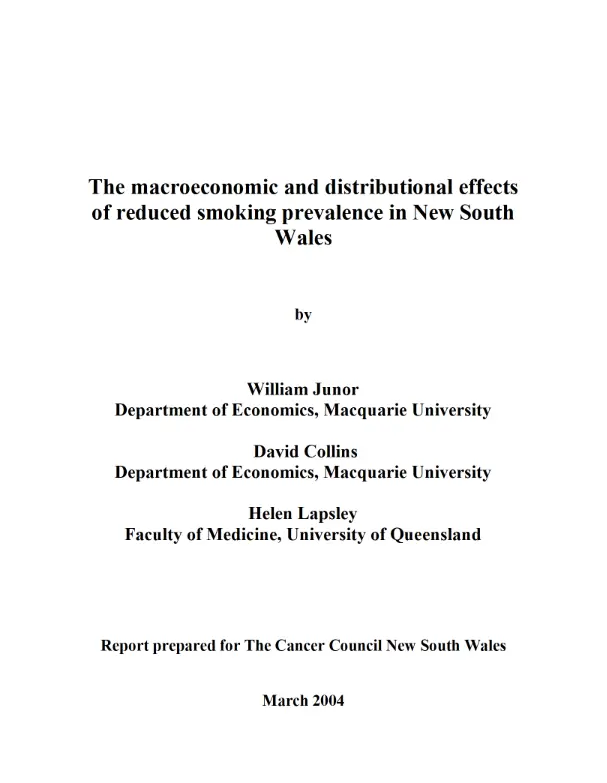
Cancer Council NSW commissioned a study exploring the economic impact of a reduction of smoking in NSW, including an assessment of the differential impacts on groups of lower socioeconomic position.
The research that sparked the Tackling Tobacco program…
Cancer Council NSW (CCNSW) commissioned a study exploring the economic impact of a reduction of smoking in NSW, including an assessment of the differential impacts of a drop in smoking on groups of lower socioeconomic position. The study found that an overall reduction in smoking led to economic benefit! It also identified that the most disadvantaged households would experience the greatest advantages from a decrease in smoking rates.
It was this study that shifted the focus of tobacco being a public health issue to a social justice issue within CCNSW, where the most disadvantaged groups are the individuals disproportionately affected by tobacco use. This discovery prompted CCNSW to give more attention to the intersection of smoking and social disadvantage, leading to the launch of the Tackling Tobacco Program later in 2006.

2005
Youthblock Nicotine Replacement Therapy (NRT) Trial
Youthblock Health and Resource Service conducted a trial of NRT for their clients, being young people aged 14–24 years experiencing or at risk of homelessness.
2006
The Tackling Tobacco program launched!
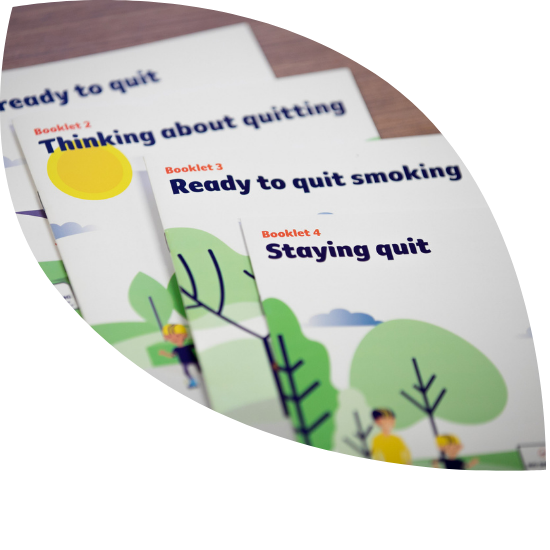
A strategy document called 'Lifting the Burden: Tobacco Control and Social Equity Strategy July 2006–2011' was finalised and launched in partnership with the NSW Council of Social Services (NCOSS) on 30th October 2006.
The Tackling Tobacco program launched!
A strategy document called 'Lifting the Burden: Tobacco Control and Social Equity Strategy July 2006–2011' was finalised and launched in partnership with the NSW Council of Social Services (NCOSS) on 30th October 2006. The Strategy focused on engaging the non-government and community service sector around smoking and included nine Key Result Areas that were to be the focus of program activities. As a result, the Tackling Tobacco program was officially convened as a five-year strategy for the years 2006–2011.
The ultimate purpose of the program was to reduce the harm and health risks associated with tobacco use among disadvantaged population groups within NSW by working with non-government social and community service organisations. The program focused on:
- Increasing the capacity of the social and community service sector to address tobacco issues
- Creating quit-friendly service environments
- Assisting clients of social and community service organisations interested in quitting

2007
Aboriginal Health and Medical Research Council (AH&MRC) 'The BREATHE Project'
Cancer Council NSW collaborated with AH&MRC to enhance their Aboriginal Tobacco Control research trial, delivered in partnership with 12 NSW Aboriginal Community Controlled Health Services (ACCHSs). The BREATHE Project ran from 2007 for three years.

The BREATHE logo – the imperfect concentric circles loosely resemble the cartilage rings in a person's windpipe; the larger dark dots in the outer rim represent the 12 services participating in the project, and the dark dot in the middle represents the AH&MRC.
Aboriginal Health and Medical Research Council (AH&MRC) 'The BREATHE Project'
Cancer Council NSW collaborated with AH&MRC to enhance their Aboriginal Tobacco Control research trial, delivered in partnership with 12 NSW Aboriginal Community Controlled Health Services (ACCHSs). The BREATHE Project ran from 2007 for three years.
The project aimed to:
- Trial the impacts of employing, training and supporting a Tobacco Control Worker within ACCHS settings
- Build the capacity of ACCHSs and their staff to deliver smoking cessation initiatives
- Improve smoking related outcomes in NSW Aboriginal communities
- Strengthen the evidence base about smoking issues and interventions in Aboriginal community contexts
Key achievements of the BREATHE Project:
At a staff level…
- Increased ACCHS staff awareness and implementation of brief intervention strategies into their practice
- Increased staff confidence in talking with clients about smoking and in delivering brief interventions
- Higher demand for tobacco cessation training from ACCHS staff
- Improved adherence to non-smoking areas by ACCHS staff
Importantly, there was a statistically significant increase in ACCHS clients reporting they were advised to quit, from 39% at baseline to 58% at the end of the project! BREATHE workers also saw an increase in requests for quit support from community members.
The BREATHE Project laid the foundation for what's now known as AH&MRC's Tobacco Resistance and Control (ATRAC) Program, an ongoing statewide initiative supporting ACCHSs in tobacco control and cessation.
2008
The Breathe Easy Project
The Breathe Easy Project began in February 2008 in partnership with Mental Health Coordinating Council (MHCC).
The Breathe Easy Project
The Breathe Easy Project began in February 2008 in partnership with Mental Health Coordinating Council (MHCC). The aims of the project were to:
- Create a better awareness of the need to address smoking – to effect changes in smoking behaviour and attitudes
- Enhance the capacity of the participating organisations to address smoking – by changes to organisational policy and practice
Three main strategies were employed throughout the five participating sites including tobacco cessation and mental health staff training, smoke-free policy development workshops, and 10-week quit smoking support programs accompanied by resources and subsidised NRT.
The Breathe Easy Project resulted in increased consumer interest in 'doing something about their smoking' (65% to 80%), intent to quit smoking in the next 30 days (20% to 76%), confidence to quit, and likelihood of a quit attempt. Post-project, 66% of consumers did not agree with the view that 'smoking was helpful for their mental health'.
The project also assessed staff attitudes, resulting in strong agreement that "consumers should receive help to address their smoking" (95% of survey respondents) and that this support should be part of routine care (76% of survey respondents). Staff were also more likely to feel they had the skills, knowledge and confidence to address smoking with consumers.
'Once our ideas had been challenged, we just felt: “How could you not do it?”'Participating staff member
The Breathing Space Project
The Tackling Tobacco team collaborated with Western Sydney Drug & Alcohol Resource Centre (WESDARC) to launch the dedicated 'Breathing Space Project' in 2008. The project developed and implemented a model for a comprehensive six-week smoking cessation program for women, along with a facilitator's kit for WESDARC staff.
'Breathing Space' was underpinned by adult learning principles and addressed the unique challenges women face when quitting smoking. Its goal was to improve self-efficacy among female participants to quit, and build staff confidence to deliver smoking cessation programs effectively. The Kit was promoted through various networks including the Penrith Youth Interagency, Penrith Interagency, Penrith Multi-cultural Interagency, St Marys Interagency, Hawkesbury Youth Interagency and Hawkesbury Mental Health Network.
Approximately 179 hard copies of the Kits were circulated throughout WESDARC organisations. Feedback indicated the Facilitator's Kit was easy to use and had a good range of adaptable materials.
"I thought it was an excellent resource and have shared information from it with my colleagues."Project participant
2009
NSW Social and Community Sector Tobacco Survey – partnership with NSW Council of Social Services (NCOSS)
In 2009, Cancer Council NSW partnered with NCOSS to develop a survey exploring NSW social and community service organisations' attitudes, policy and practice regarding smoking.
NSW Social and Community Sector Tobacco Survey – partnership with NSW Council of Social Services (NCOSS)
Cancer Council NSW identified a gap in the research regarding the interest, capacity and potential of social and community services as sites for tobacco control and smoking-cessation support in Australia. In 2009, Cancer Council NSW partnered with NCOSS to develop a survey exploring NSW social and community service organisations' attitudes, policy and practice regarding smoking.
Of 149 responses, the survey found that:
- The majority of senior staff expressed positive tobacco control views and attitudes. 90% of respondents agreed "disadvantaged people who smoke should receive help to quit" and 68% agreed "Support to help people quit smoking should be a part of the normal care our organisation provides"
- Most services (93%) had a smoking policy, although limited in scope
- Some services provided smoking cessation support, although not embedded into routine care. 45% of respondents indicated staff "rarely" ascertained clients' interest in quitting and 30% said their staff "sometimes" ask clients if they're interested in quitting
The NSW Community Sector Tobacco Survey reiterated that community services provide a receptive and promising setting for tobacco-control activities targeted at disadvantaged populations.
2010

The first published Tackling Tobacco research
The first study about Tackling Tobacco was published in the Health Promotion Journal of Australia in 2010, reporting on findings from the Smoking Matters Project.
The first published Tackling Tobacco research
The first study about Tackling Tobacco was published in the Health Promotion Journal of Australia in 2010, reporting on the findings from the 'Smoking Matters Project'. The project involved work with five non-government community service organisations (CSOs) for the integration of smoking care. The five CSOs were offered staff training, smoking-care resources and policy support to address tobacco in their service environment and work with clients.
Across the five CSOs, 64 staff members participated in the training. Post-training surveys indicated that staff did develop confidence, skills and knowledge to address tobacco issues. Some organisations made changes to policy, such as introducing designated smoking areas and providing financial support for clients and staff to quit smoking. Practice change was evident among some staff, particularly in addressing smoking as part of routine case management and use of the 5A's brief intervention framework.
It was this early study that positioned the CSO sector as an ideal and promising setting to reach priority population groups with higher smoking prevalence rates. The authors proposed that if implemented widely enough, addressing tobacco use with CSO clients as part of routine practice would substantially extend the reach and accessibility of smoking cessation support to groups that are typically 'hard to reach' and experience social, economic and cultural disadvantage.
Mental Health Coordinating Council's (MHCC) Tobacco and Mental Illness Training Package
Following the Breathe Easy Project in 2008, Tackling Tobacco provided funding to MHCC to collaboratively develop a specific smoking and mental health training package.
The Tobacco and Mental Illness Training Package was designed to match the practices of mental health services to ensure uptake and suitability of smoking interventions, and also highlighted the specific needs of mental health consumers. The training package also included a segment dedicated to organisational change practices and policy development to set the foundations for long-term change.
The training package was trialled for eight months throughout 2010 and incorporated into MHCC's learning calendar in 2011.
Smoking Care Projects (Blacktown and NSW)
The NSW and Blacktown Smoking Care Projects were an initiative of CCNSW and Sydney West Area Health Service, funded by NSW Health. The projects aimed to increase the capacity of Social and Community Service Organisations (SCSOs) to address tobacco issues and support their clients to quit.
The Smoking Care Project achieved:
- Seven awareness raising seminars reaching over 140 attendees from 80 different SCSOs
- 55 smoking care training sessions delivered, reaching 712 staff from 184 organisations
- 45 NRT grants allocated across NSW
- Establishment of a Practice Network to facilitate sharing of information with a total of 399 members
The project resulted in positive changes in staff attitudes toward smoking care and application of smoking-care practice with clients!
2011
Ask The Question Campaign
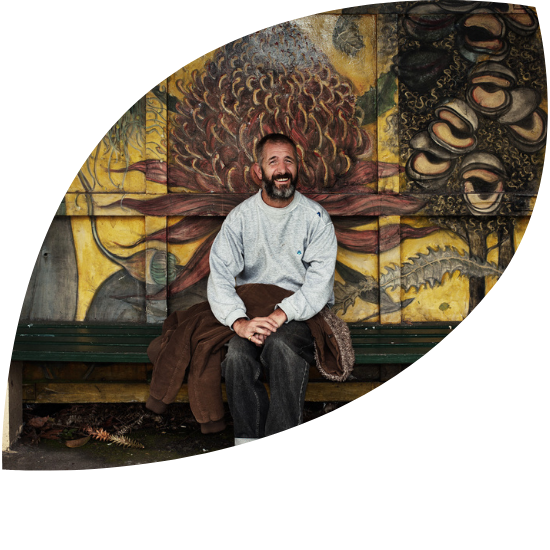
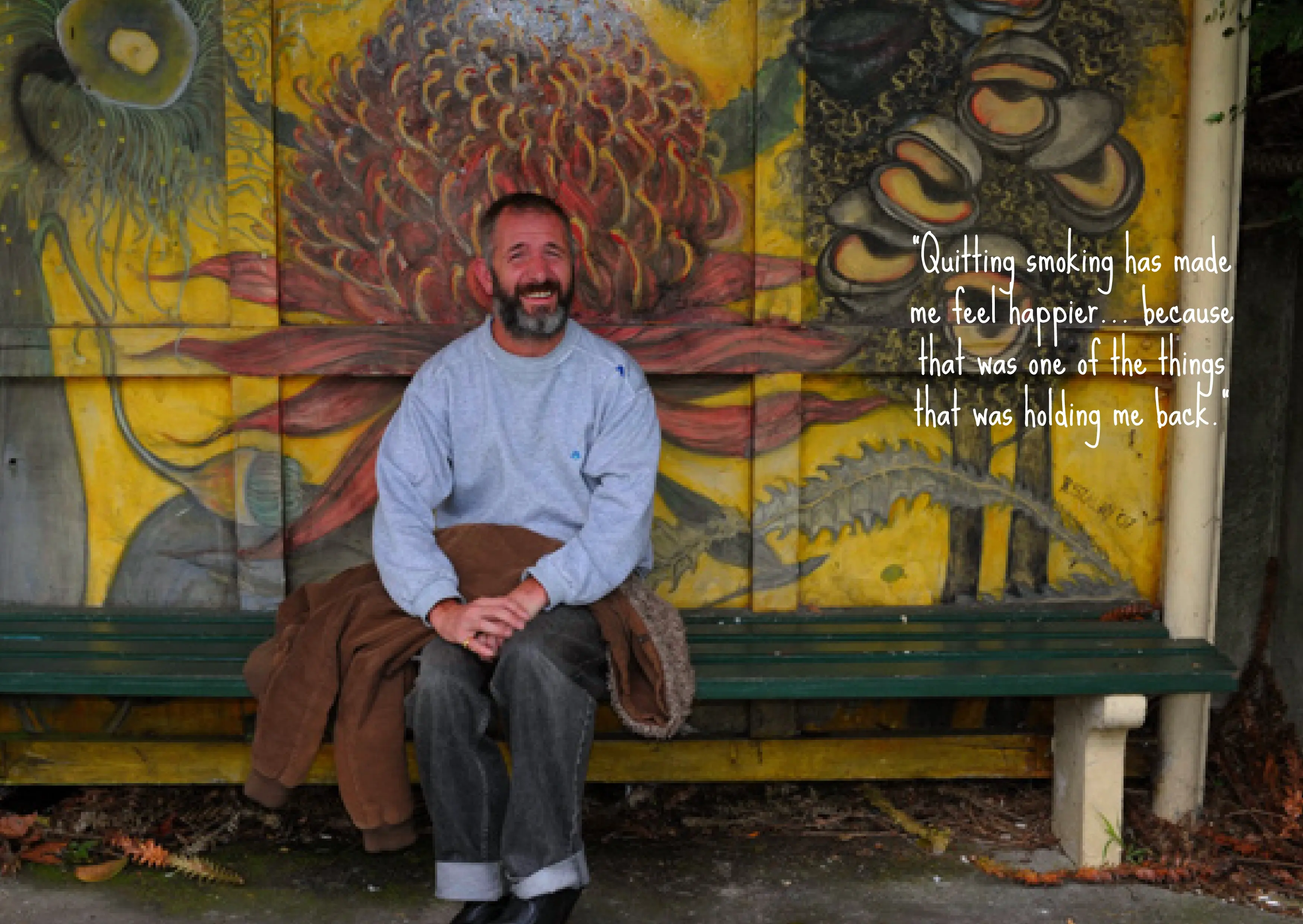
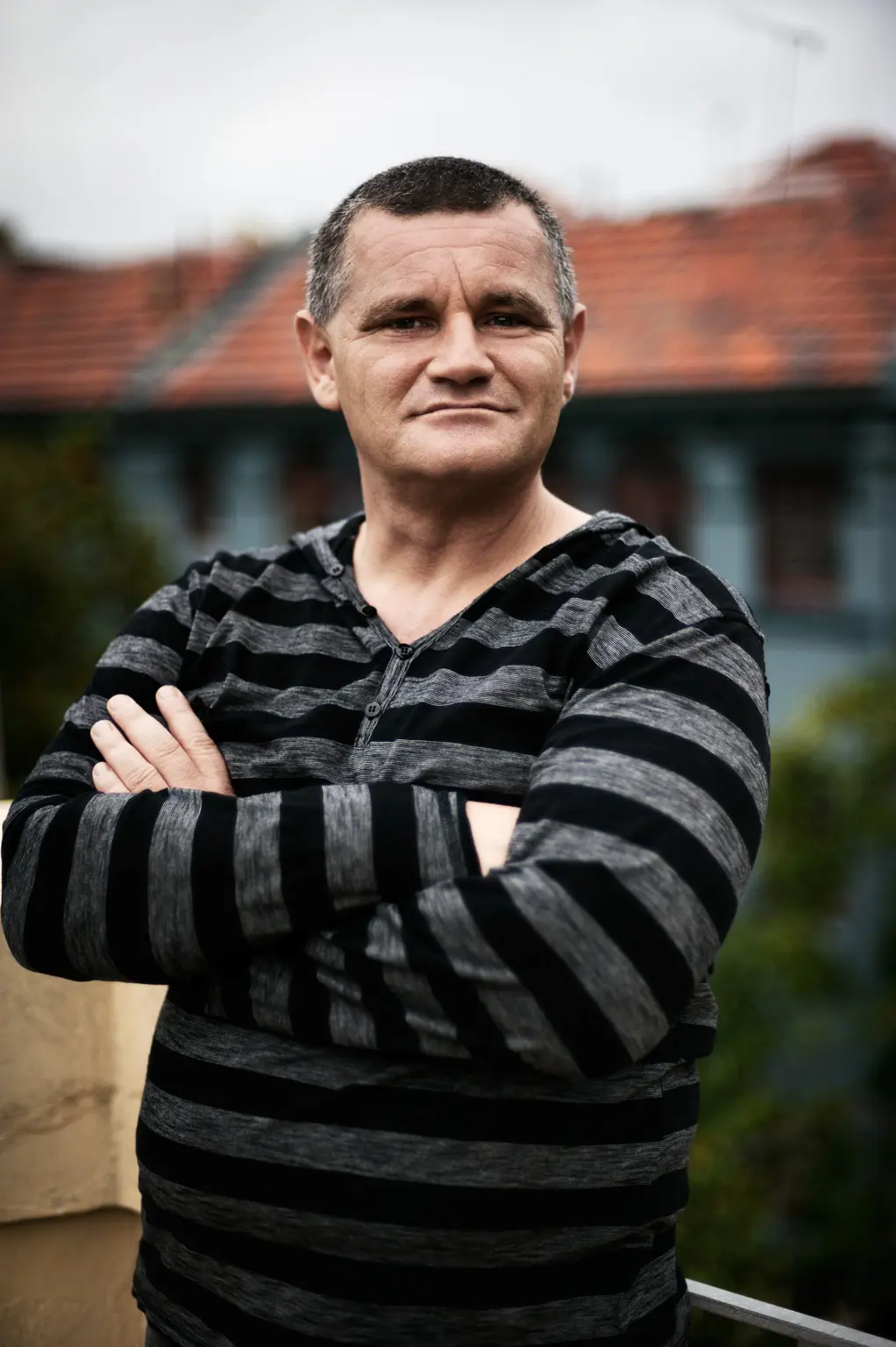
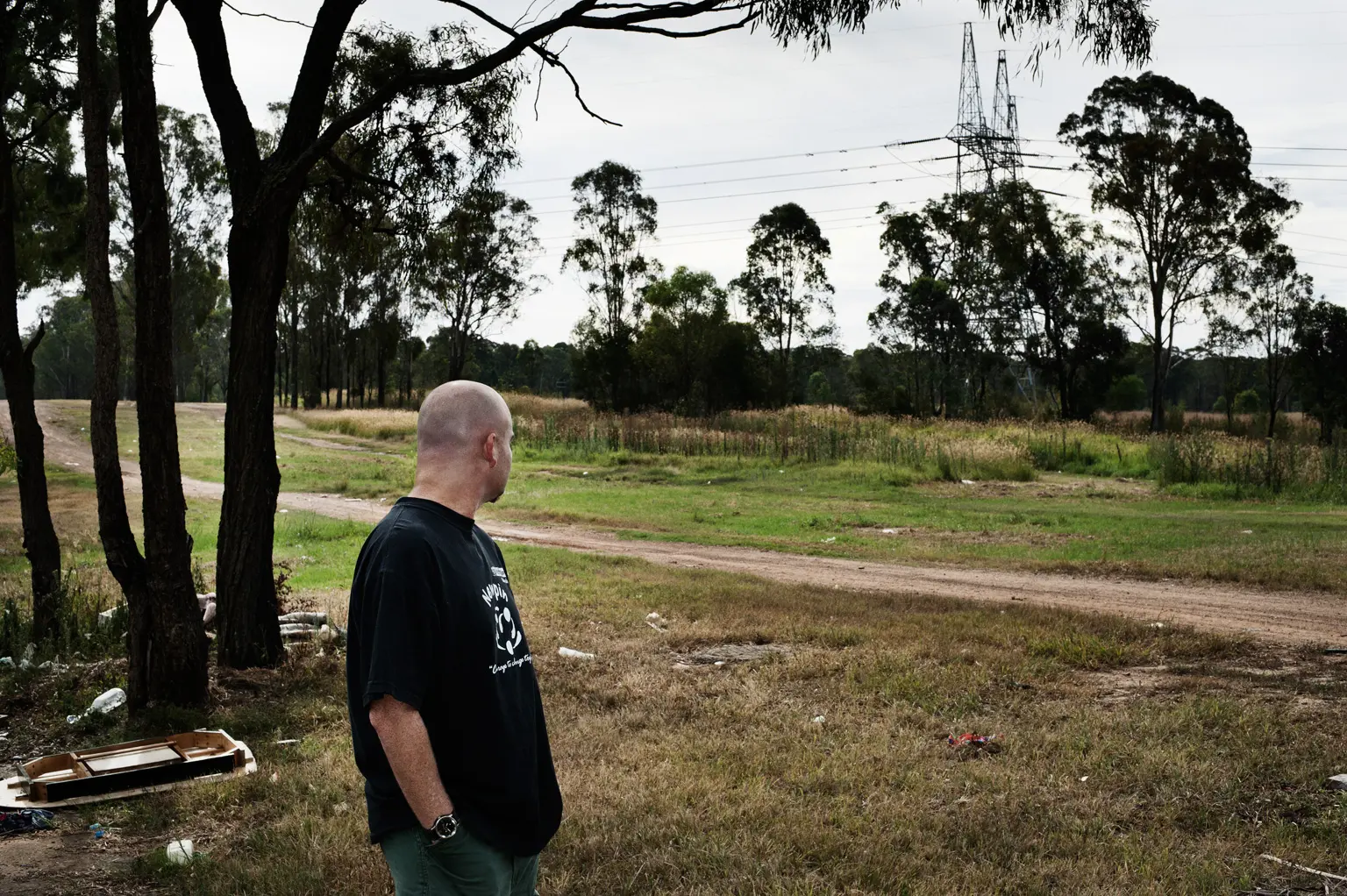
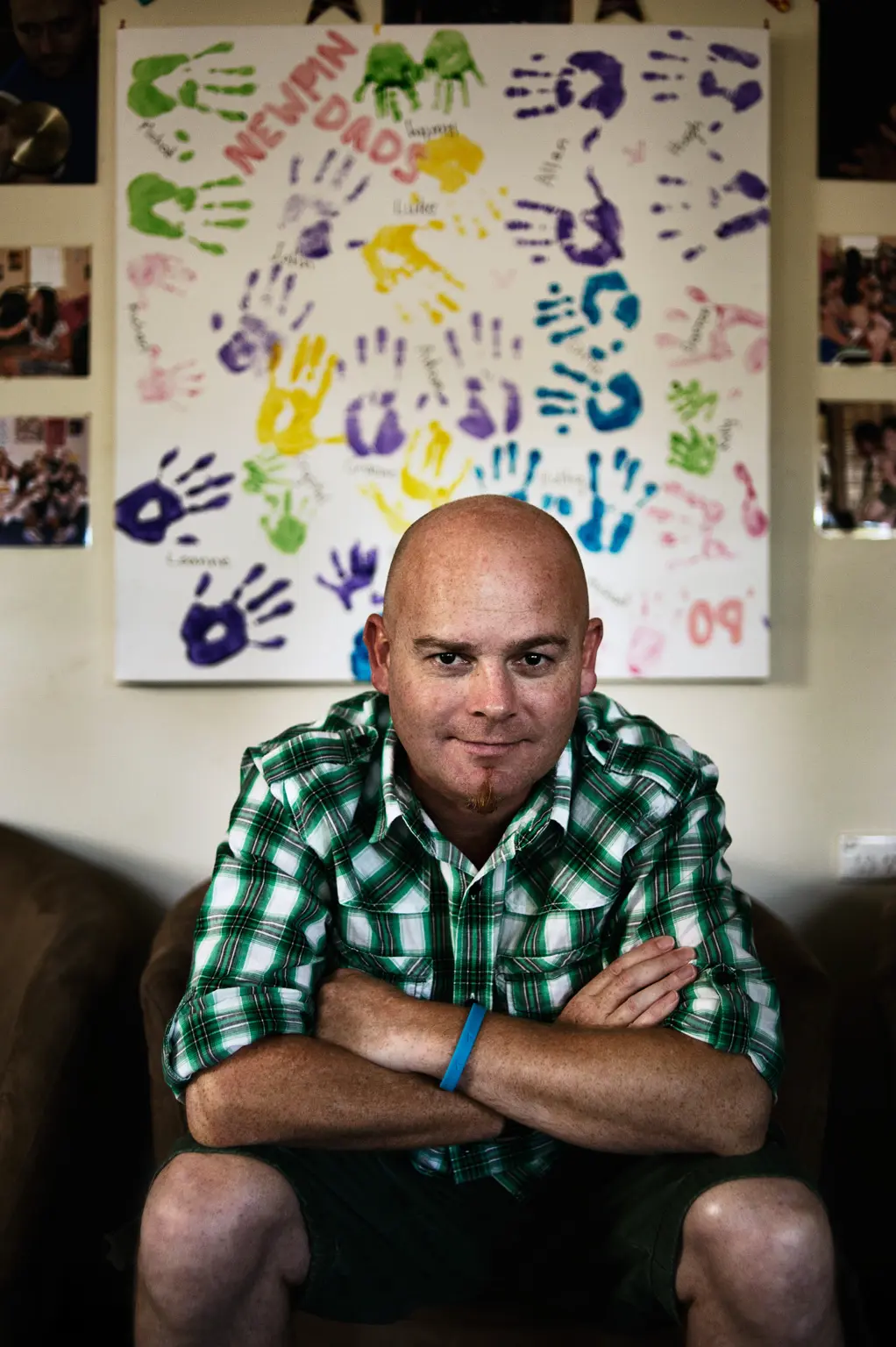
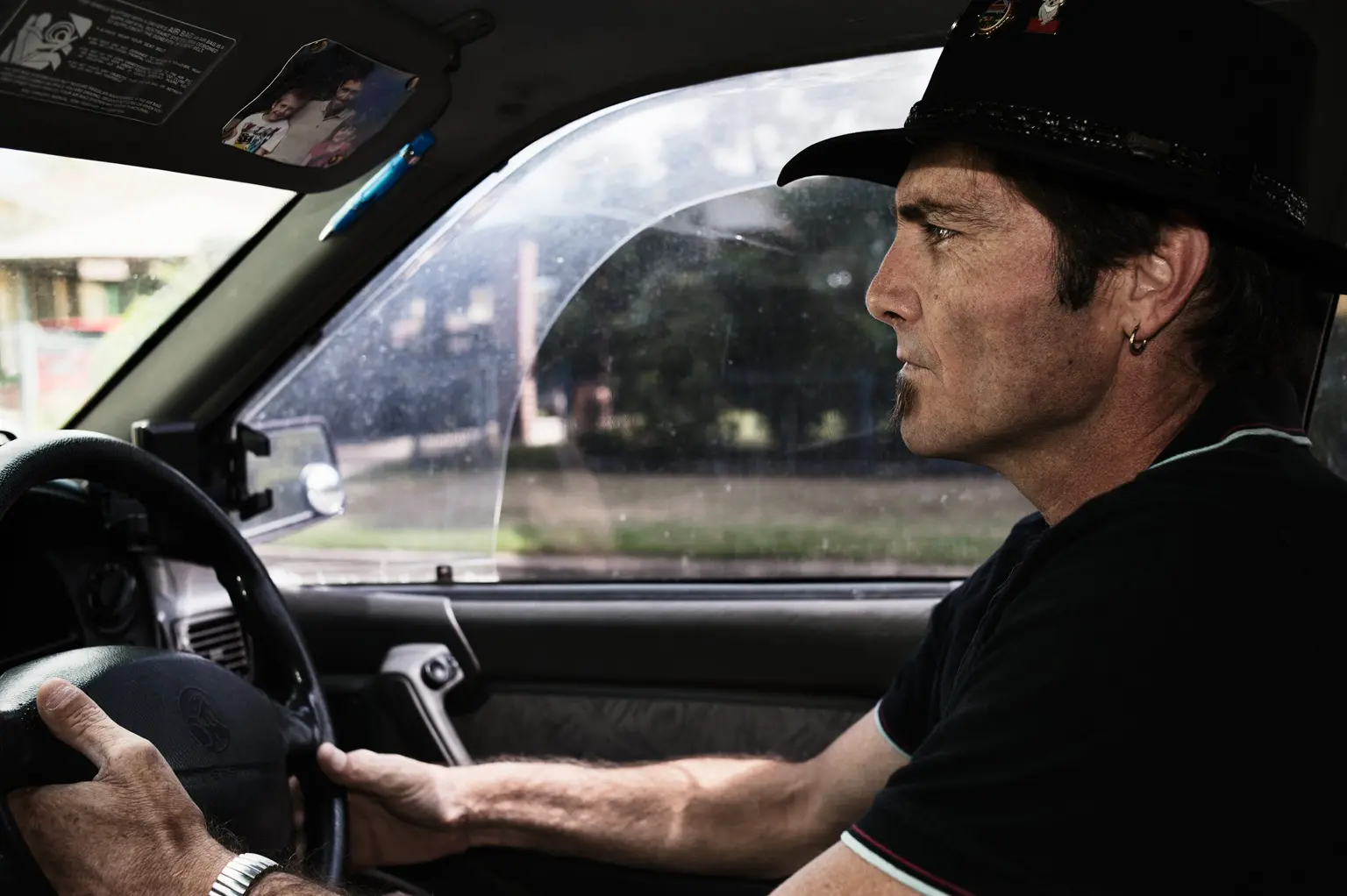
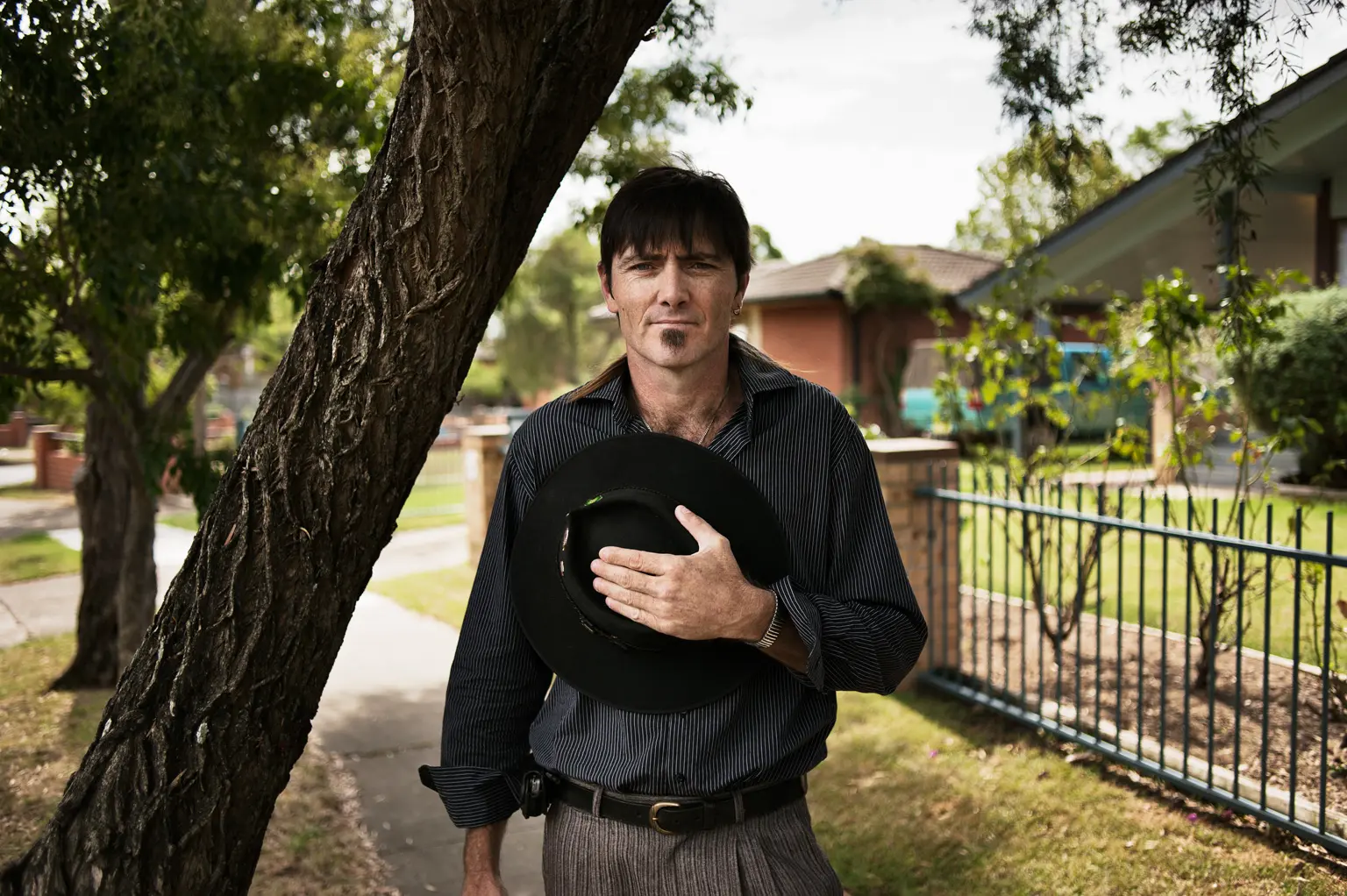
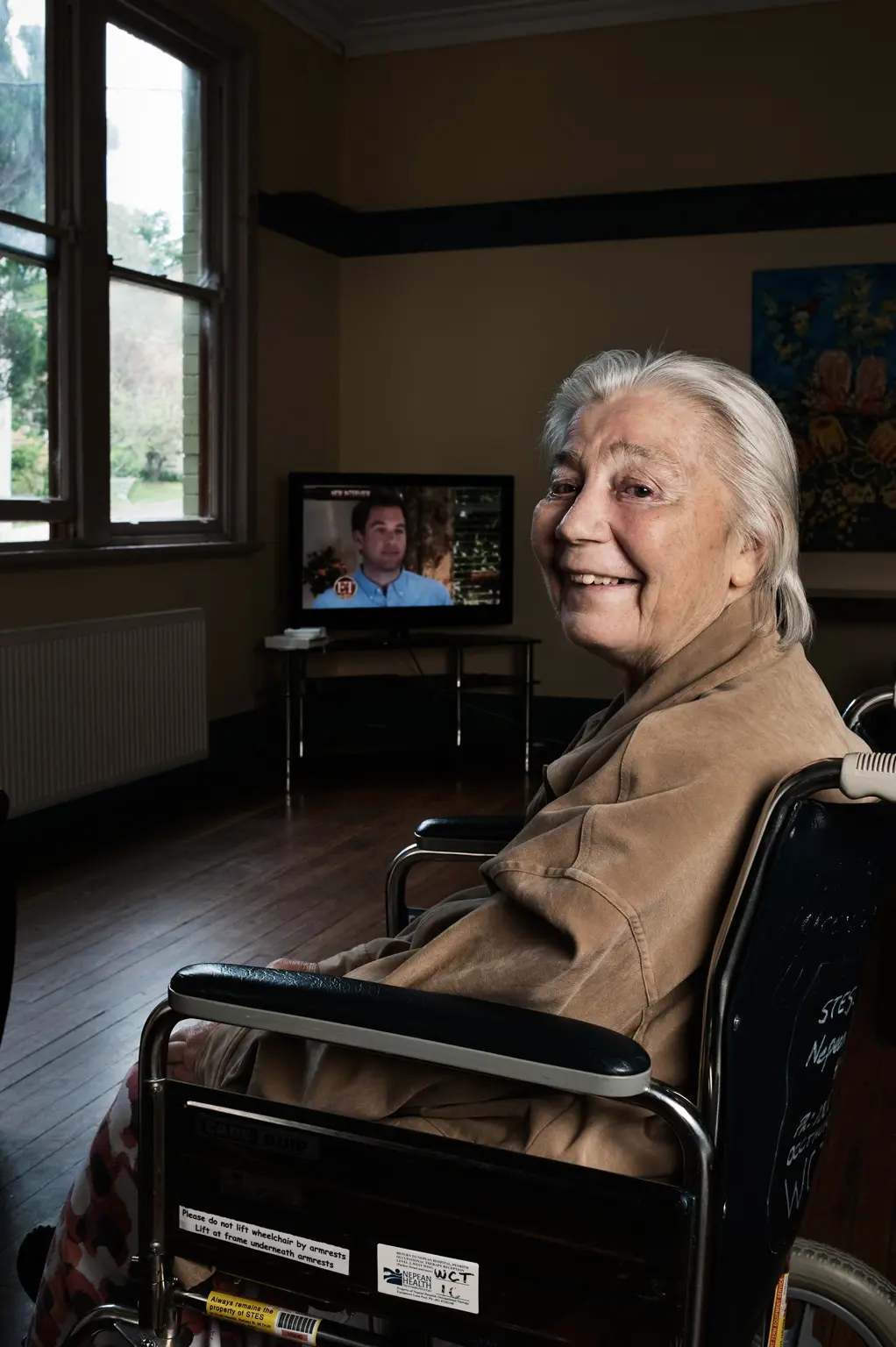
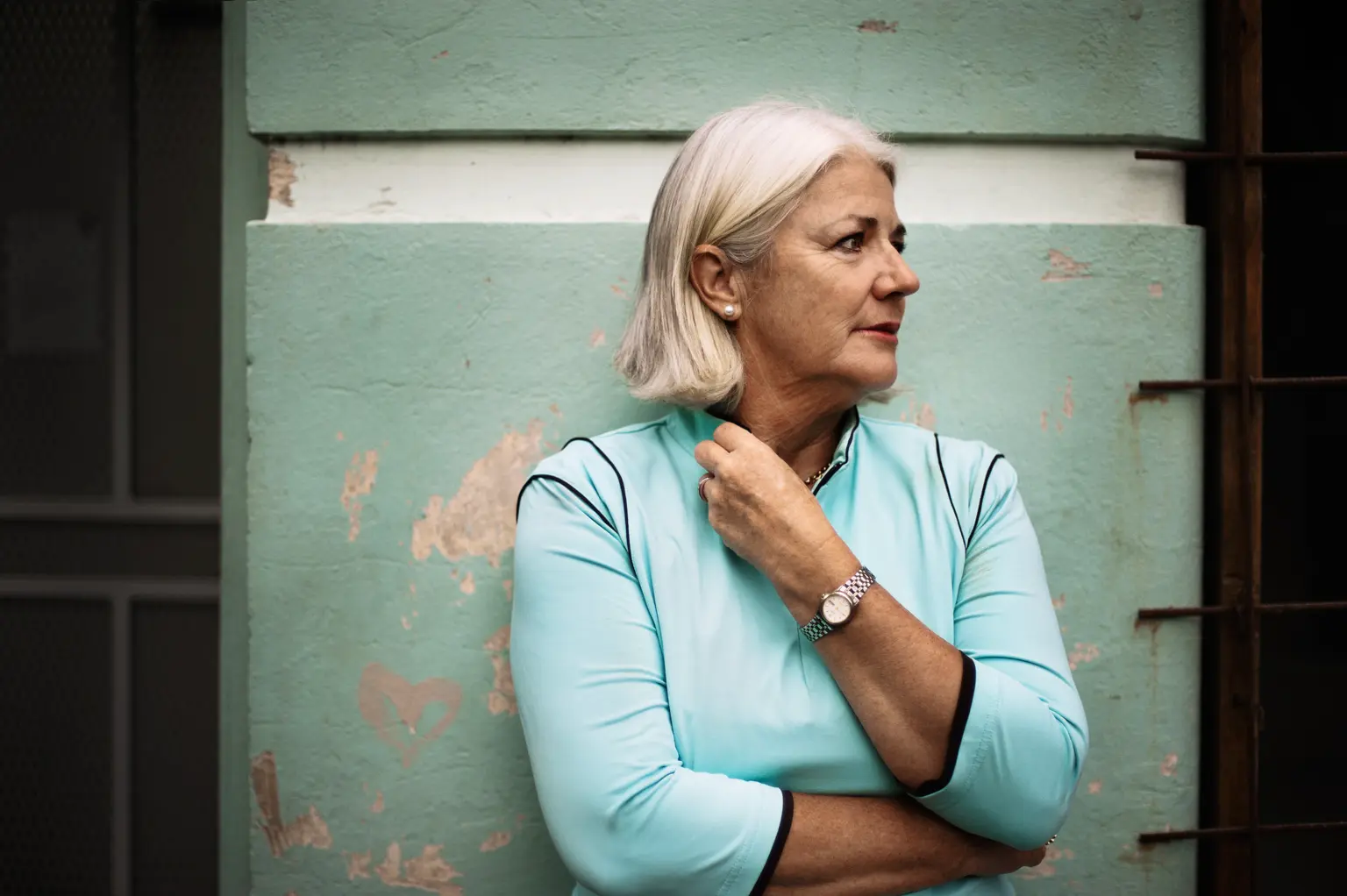
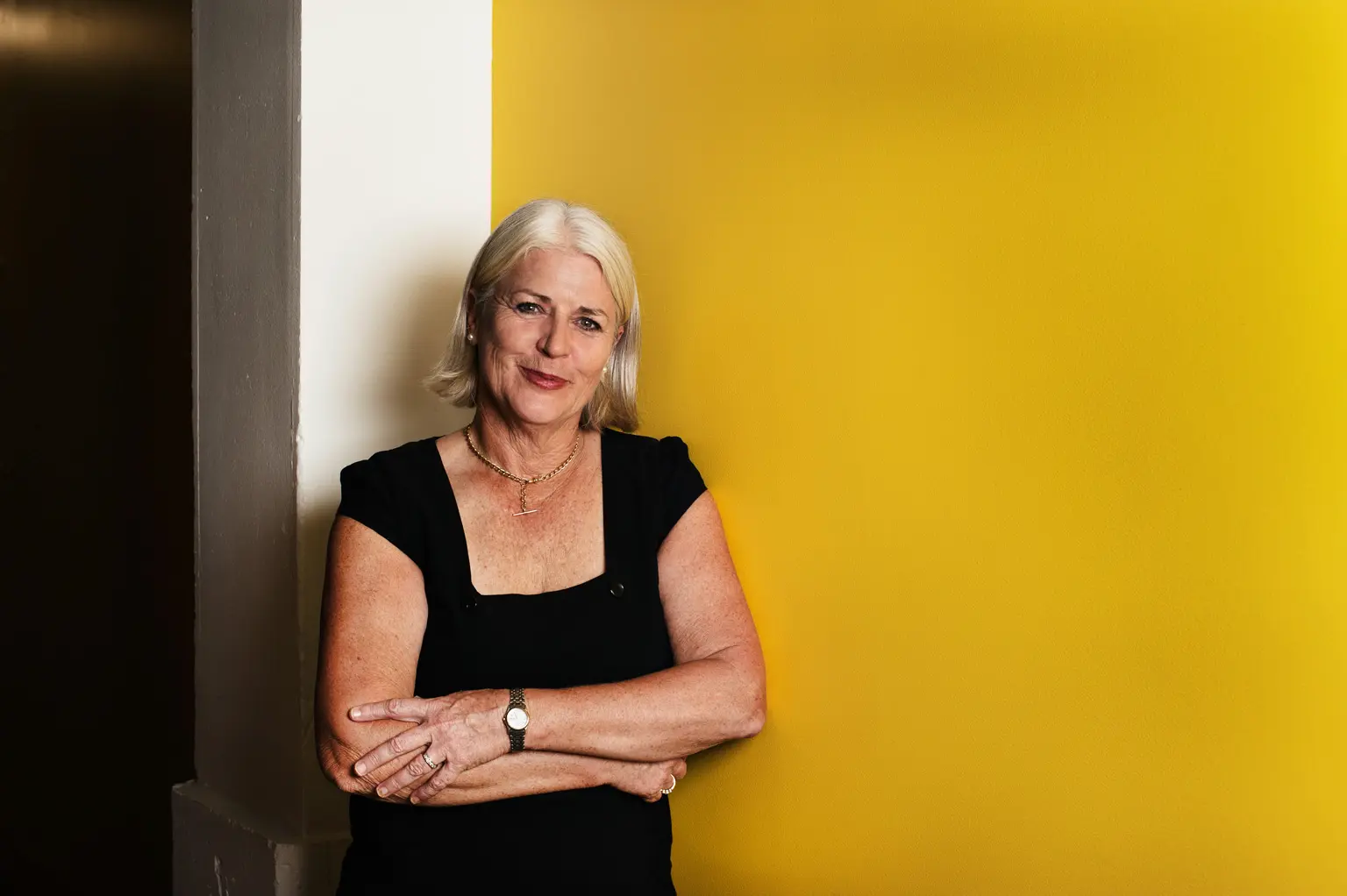
As part of Cancer Council NSW’s Tackling Tobacco program, a group of people shared their stories about quitting smoking with the help of social and community service organisations. Their stories became the ‘Ask the Question’ campaign.
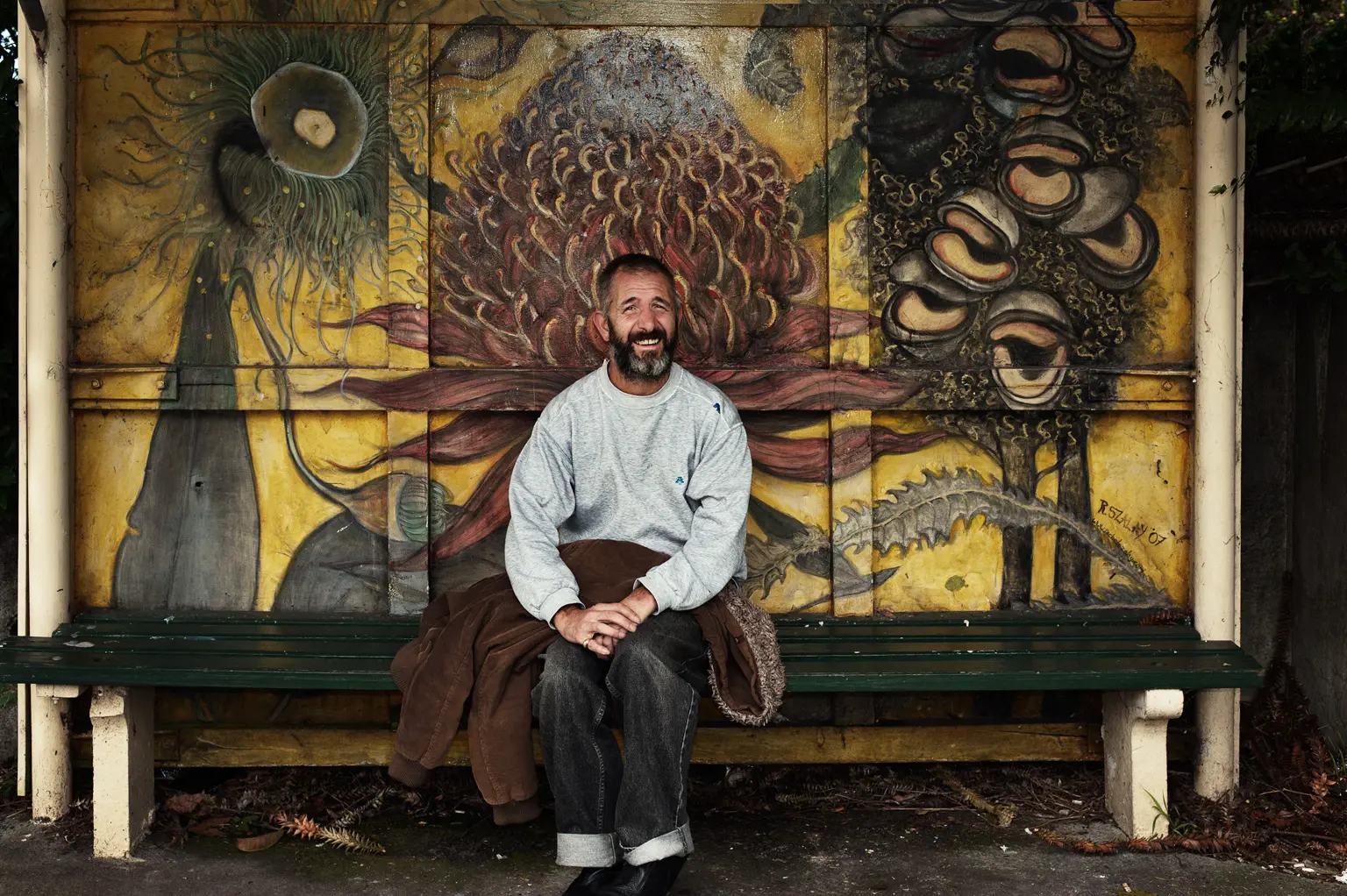
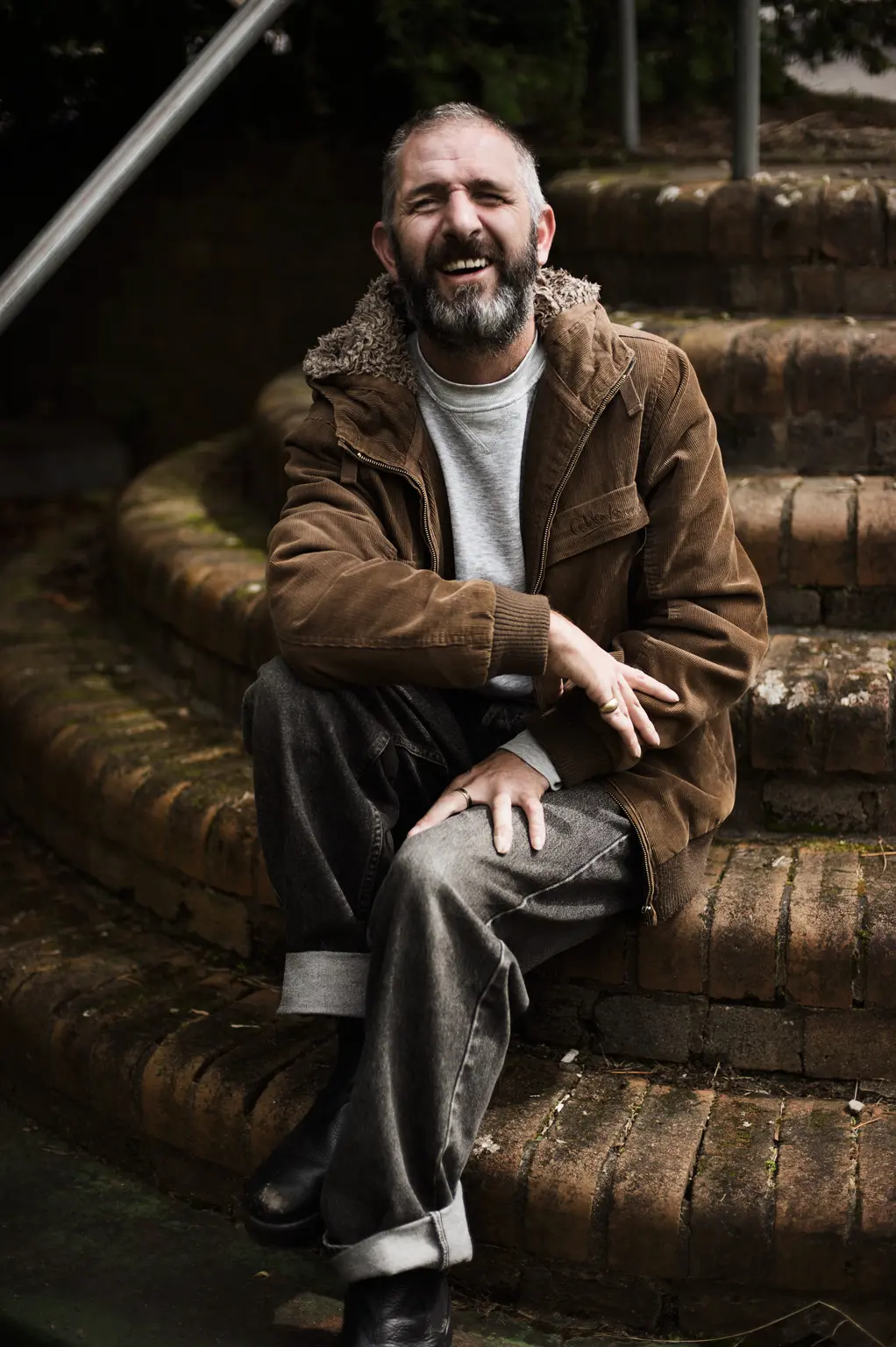
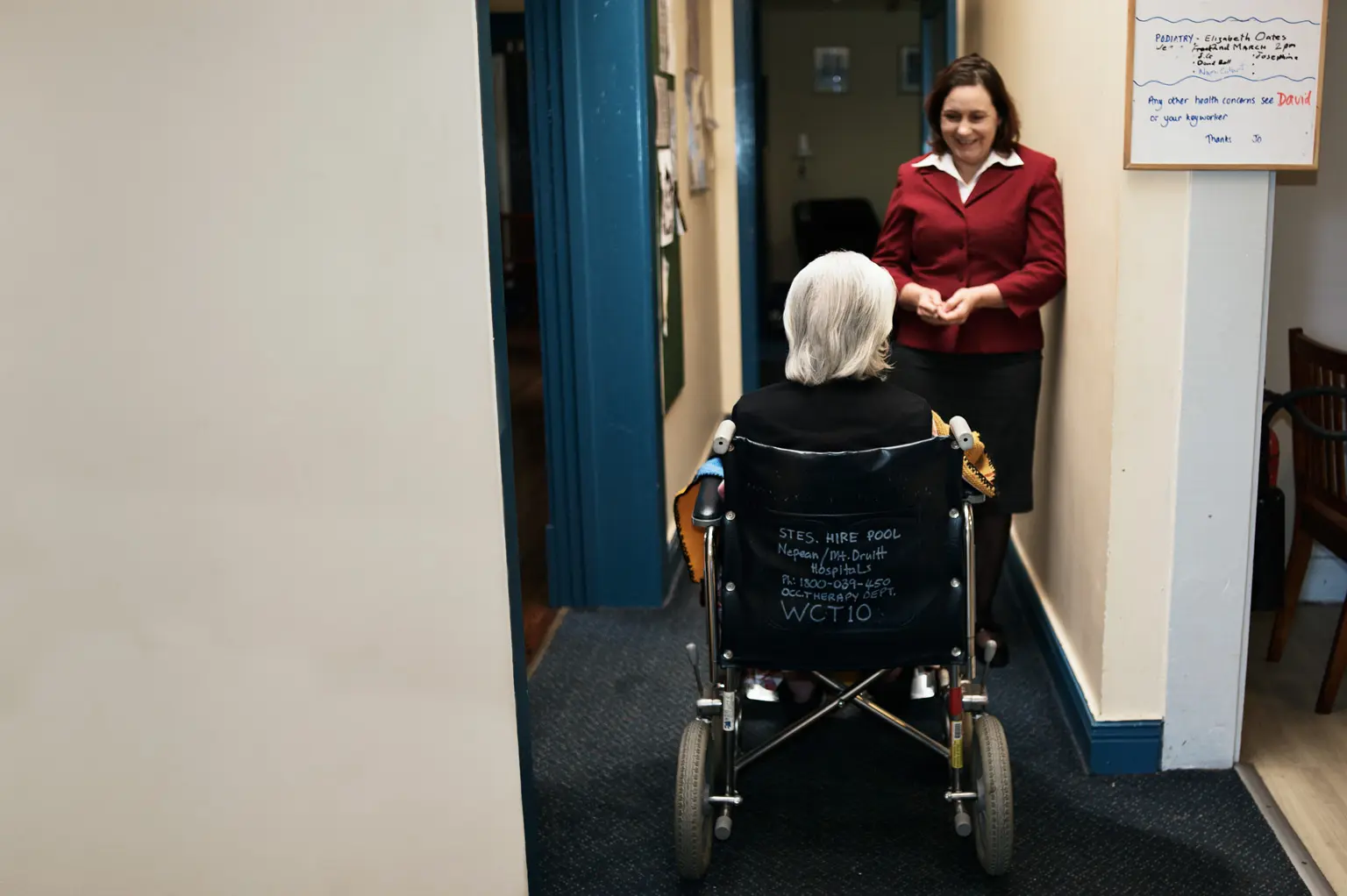
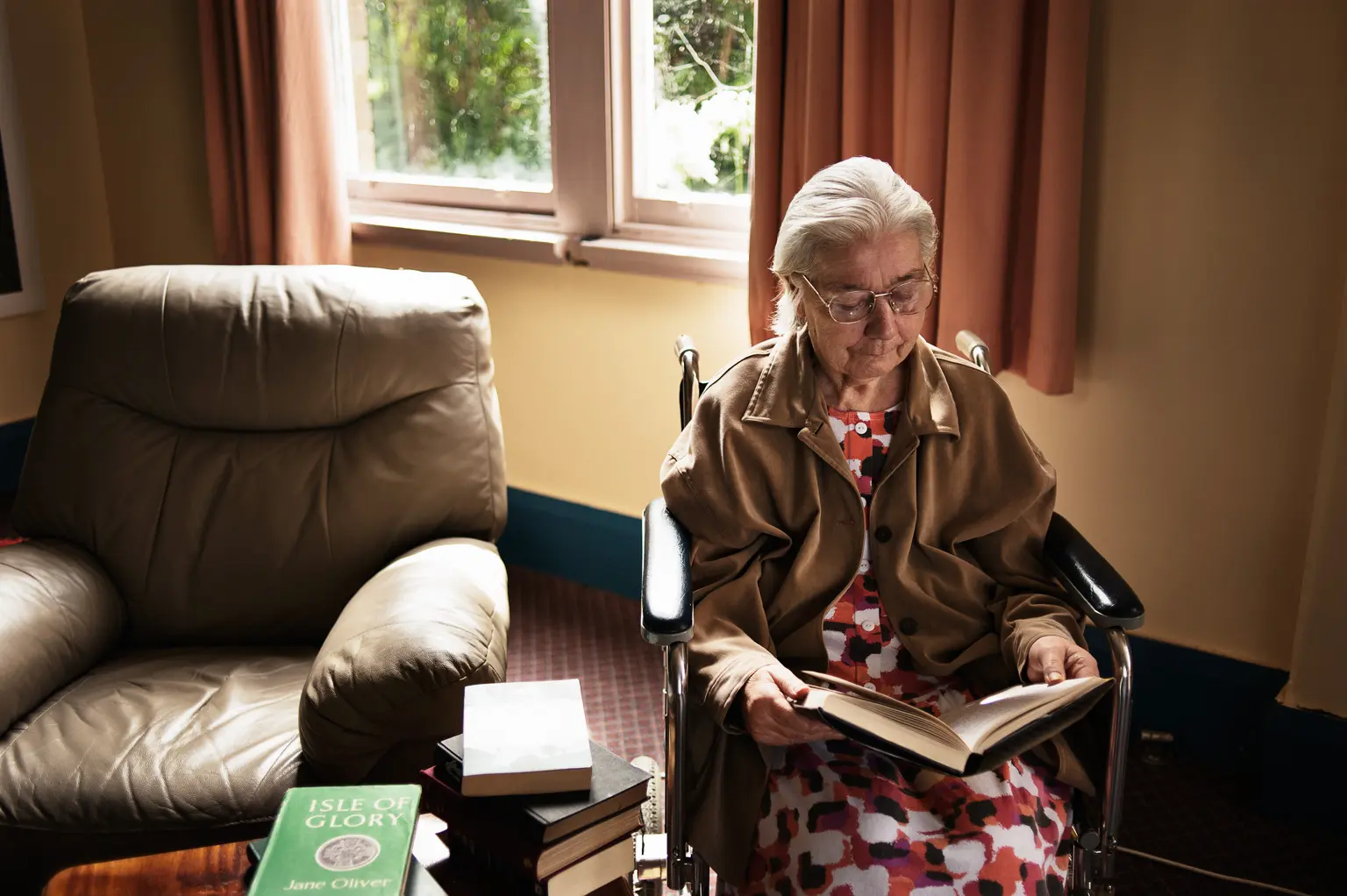
Ask The Question Campaign
As part of Cancer Council NSW's Tackling Tobacco program, we asked a group of people to share their stories about quitting smoking with the help of social and community service organisations. Their stories and experiences went on to become the 'Ask the Question' campaign. Cancer Council NSW hoped the campaign served as inspiration for what can happen when someone dares to ask the question: "Have you considered quitting?"
The campaign featured the experiences of Ace, Gaye, Vic, Graeme, Gary, Janet, and Len. View the 'Ask the Question' campaign booklet here.
2012
Organisational Change Project with Mental Health Coordinating Council
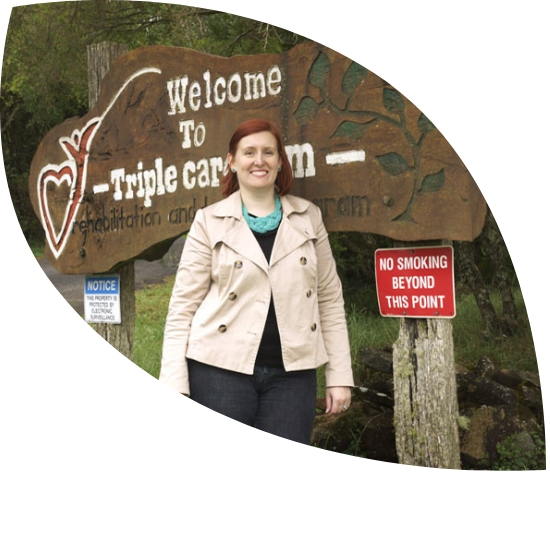
Cancer Council NSW partnered with MHCC in 2012 to conduct the 'Organisation Change Project' which aimed to assess the effectiveness of an organisational change package in supporting the community mental health sector to address smoking.
Organisational Change Project in partnership with the Mental Health Coordinating Council (MHCC)
Cancer Council NSW partnered with MHCC in 2012 to conduct the 'Organisation Change Project' (OCP) which aimed to assess the effectiveness of an organisational change package in supporting the community mental health sector to address smoking. The OCP was piloted within the two community-managed mental health organisations (CMOs) including The Benevolent Society and the Schizophrenia Fellowship NSW (now known as One Door Mental Health). Staff at both CMOs received training, new smoke-free policies were drafted, and, for the first time, recording and supporting clients' smoking status became part of routine care. The OCP sparked real progress as staff grew more confident in addressing smoking, and the old norm of staff smoking with clients began to fade.
The OCP demonstrated that organisational change is possible – even in complex, stretched community mental health organisations. The project's model, with its focus on leadership, communication, and practical tools, proved flexible and effective. Following completion of the OCP, both pilot CMOs continued to routinely record smoking status and offer more support to clients who want to quit. The project paved the way for other CMOs to follow in adapting the project's strategic and practical approach in embedding smoking care into everyday practice.
Evaluation of the Smoking Care Project – published journal article
A study was published in the Drug and Alcohol Review Journal in 2012 that evaluated a 2-year organisational capacity building strategy for social and community service organisations (SCSOs) to provide quit smoking support to clients – the Smoking Care Project. The project consisted of awareness raising seminars, smoking cessation training and financial grants for nicotine replacement therapy.
Hundreds of SCSO staff were trained to help make addressing tobacco use a routine part of their work. Following the training, staff demonstrated an increased understanding of evidence-based smoking cessation strategies, such as recognising available resources and support services. The staff grew more confident and positive about offering support, and clients responded – daily smoking rates dropped, and more people tried nicotine replacement therapy and group counselling.
The study challenged common misconceptions in their finding that clients were interested in quitting and receptive to receive offers of cessation support from staff. The Smoking Care Project continued to emphasise the critical role SCSOs play as a setting in implementing smoking cessation interventions in usual care.
Feasibility and acceptability of integrating smoking cessation support into usual care – published journal article
Another study published in the Drug and Alcohol Review journal in 2012 found that training social and community service organisation staff to provide smoking cessation support to clients was feasible and acceptable. In fact, time spent by staff addressing smoking during routine client visits increased following the training.
The study also aimed to assess the impact of the smoking cessation program on client smoking rates, in which there was a significant reduction in the number of cigarettes smoked at follow-up compared to baseline. Overall acceptability of the program was high, particularly among clients who found the smoking cessations interventions helpful.
This study further added to the emerging evidence base at the time demonstrating the potential of the provision of smoking cessation support through the CSO sector to people experiencing socioeconomic disadvantage and smoking related disparities.

2013
Tackling Nicotine Together Research Trial
In 2013, Cancer Council NSW became a co-founder, funder and collaborator on the Tackling Nicotine Together (TNT) trial in partnership with the University of Newcastle, running until 2017.
Tackling Nicotine Together Research Trial
In 2013, Cancer Council NSW became a co-founder, funder and collaborator on the Tackling Nicotine Together (TNT) trial in partnership with the University of Newcastle's School of Medicine and Public Health. The TNT trial was generously funded by National Health and Medical Research Council (NHMRC), and ran until 2017.
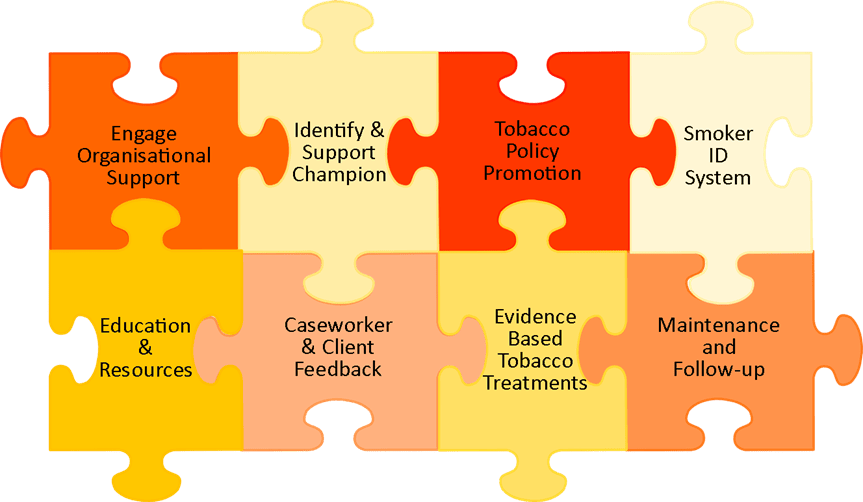
The TNT trial aimed to assess the effectiveness and cost-effectiveness of an organisational change intervention in reducing smoking rates among clients attending drug and alcohol treatment centres using a national, multi-centre, cluster randomised controlled trial study design. There were eight organisational change components which each were conceptualised as puzzle pieces that when combined are the TNT Intervention.
32 drug and alcohol treatment centres were involved in TNT across NSW, ACT, QLD and SA. By the end of the trial, over 500 drug and alcohol sector staff and over 900 drug and alcohol clients took part in the study.
Key achievements from the trial included:
- Increase in offers and use of nicotine replacement therapy by clients
- Statistically significant reduction in number of cigarettes smoked per day
- Increased screening for smoking with clients and more frequent delivery of quit advice and support
- Improved staff attitudes as they became more confident and supportive of addressing smoking as part of usual care
- Shift in organisation culture where smoking cessation became an accepted part of treatment
It was this trial that provided key evidence as to why drug and alcohol treatment centres are an appropriate setting to address smoking among their clients.
2014

Strategic Reset with New Tools and Communications
Cancer Council NSW commenced the development of the 'Tackling Tobacco Strategic Plan 2015–2018', complemented by the creation of a Program Evaluation Plan and several foundational activities achieved in 2014.
Strategic Reset with New Tools and Communications
Cancer Council NSW commenced the development of the 'Tackling Tobacco Strategic Plan 2015–2018', which was complemented by the creation of a Program Evaluation Plan. Several activities were achieved in 2014 that laid the foundation for these key planning documents.
- A pilot audit tool was developed and used for pre-project audits from June 2014 to support ongoing monitoring of organisational change outcomes. The audit tool was designed to be completed face-to-face by staff of community services and a Cancer Council staff member before each Tackling Tobacco project.
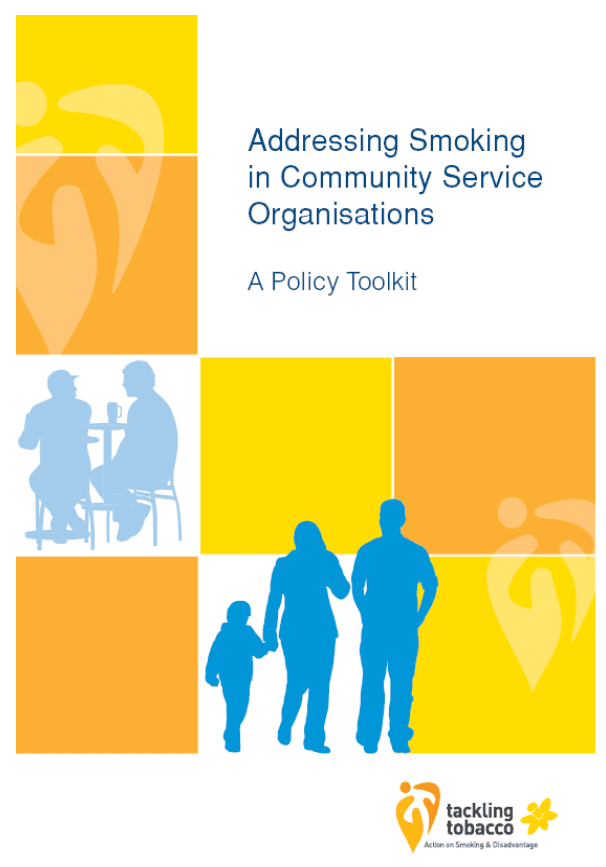
- One of the program's resources "Addressing Smoking in Community Service Organizations: A Policy Toolkit" was reviewed in 2015 arising from stakeholder feedback around the need for clear user-friendly tools to assist in implementing the Tackling Tobacco program.
- Two Tackling Tobacco case studies were conducted as part of program evaluation to assess the appropriateness of the revised program model in different organisational contexts, to explore barriers and enablers to implementation, and to better communicate the program to stakeholders and potential participants.
- Creation of a Tackling Tobacco Marketing Plan 2014–2017 focussed on two main tactics:
- Build stronger relationships with Tackling Tobacco stakeholders
- Enhance program visibility and recognition through distinctive branding and strategic partnerships
2015
A new Tackling Tobacco Program Model
An internal review of the program's underlying theory was conducted in 2013 to ensure a sound theoretical base for Tackling Tobacco.
A new Tackling Tobacco Program Model
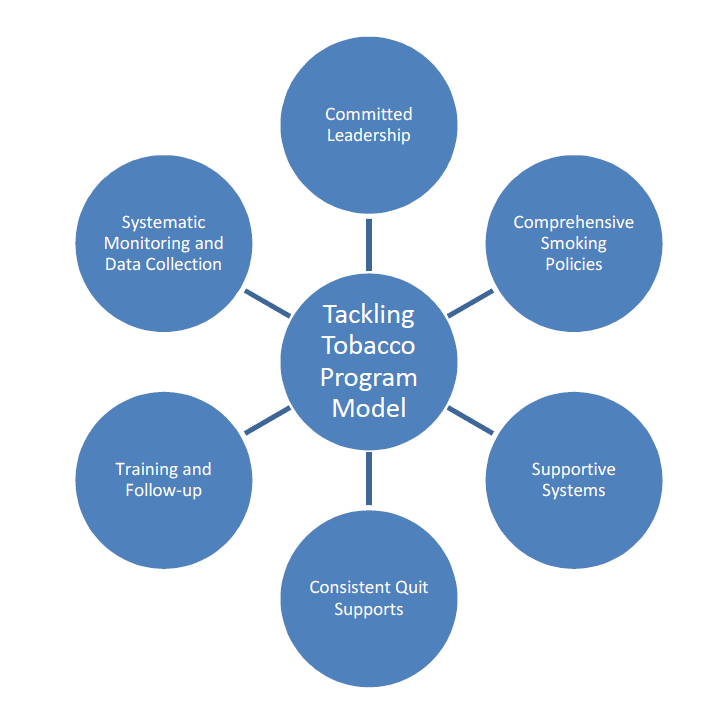
An internal review of the program's underlying theory was conducted in 2013 to ensure a sound theoretical base for Tackling Tobacco. As well as diffusion of innovation theory, the revised program model also drew upon organisational change theory, adult learning theory, behaviour change theory, and NSW Health's capacity building framework.
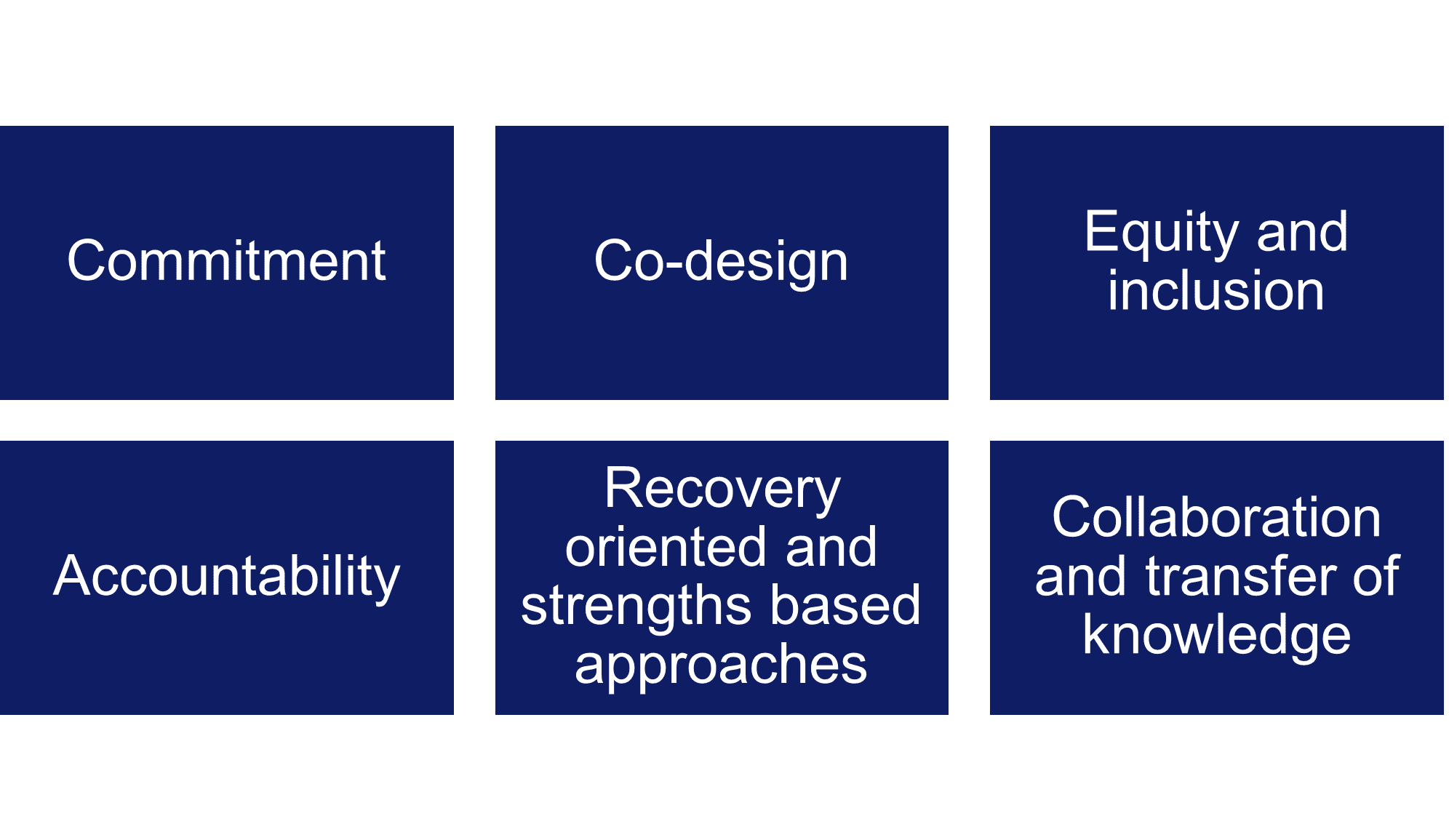
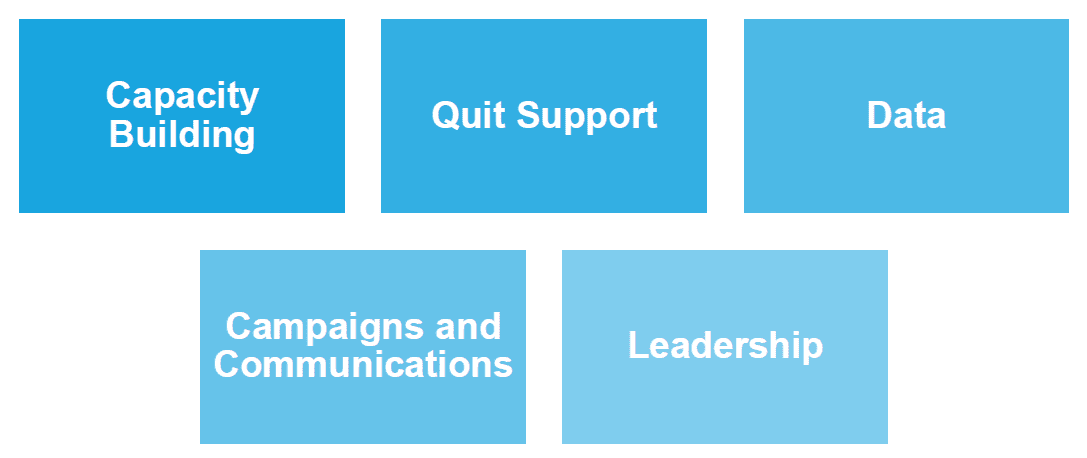
This led to the redevelopment of Tackling Tobacco's program logic and program model later in 2015, where the program was reconceived as an organisational change program focusing on six key areas. It is this program model that we know Tackling Tobacco to be today! The program elements are:
2016
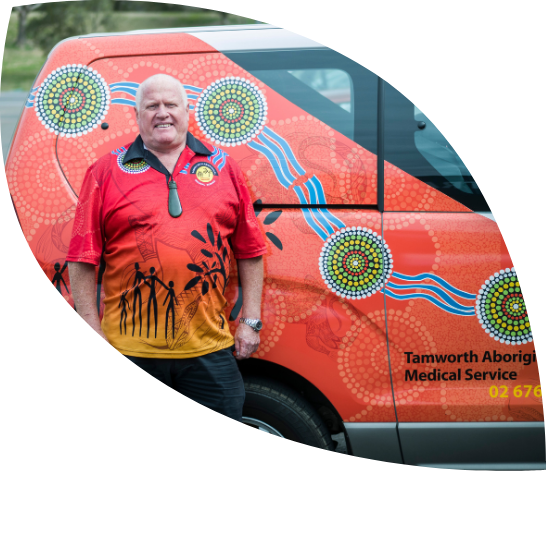
Tackling Tobacco in Aboriginal Communities Initiative
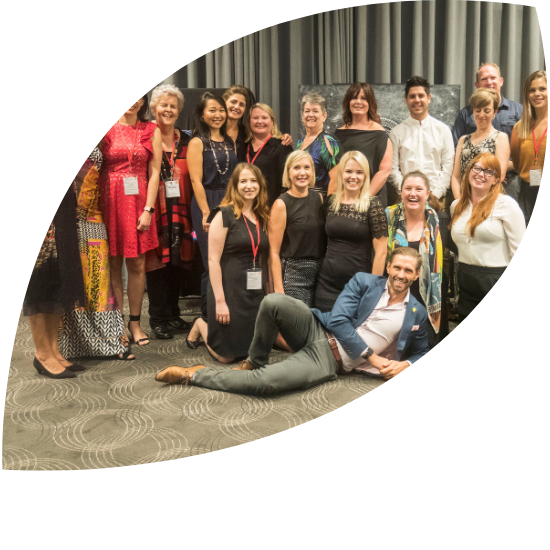
In 2016, Cancer Council NSW committed funding for three years to partner with Aboriginal Health Services in NSW to develop and implement the Tackling Tobacco in Aboriginal Communities Initiative.
Tackling Tobacco in Aboriginal Communities Initiative
In 2016, Cancer Council NSW committed funding for three years to partner with Aboriginal Health Services in NSW to develop and implement the Tackling Tobacco in Aboriginal Communities Initiative.
Ten services participated in the Initiative across the three years:
- Albury Wodonga Aboriginal Medical Service
- Biripi Aboriginal Corporation Medical Centre
- Katungal Aboriginal Corporation Regional Health and Community Services
- Galambila Aboriginal Health Service
- Peak Hill Aboriginal Medical Service
- RivMed Wagga Wagga Aboriginal Medical Service
- Tamworth Aboriginal Medical Service
- Viney Morgan Aboriginal Medical Service
- Waminda Aboriginal Medical Service
- Yerin Aboriginal Medical Service
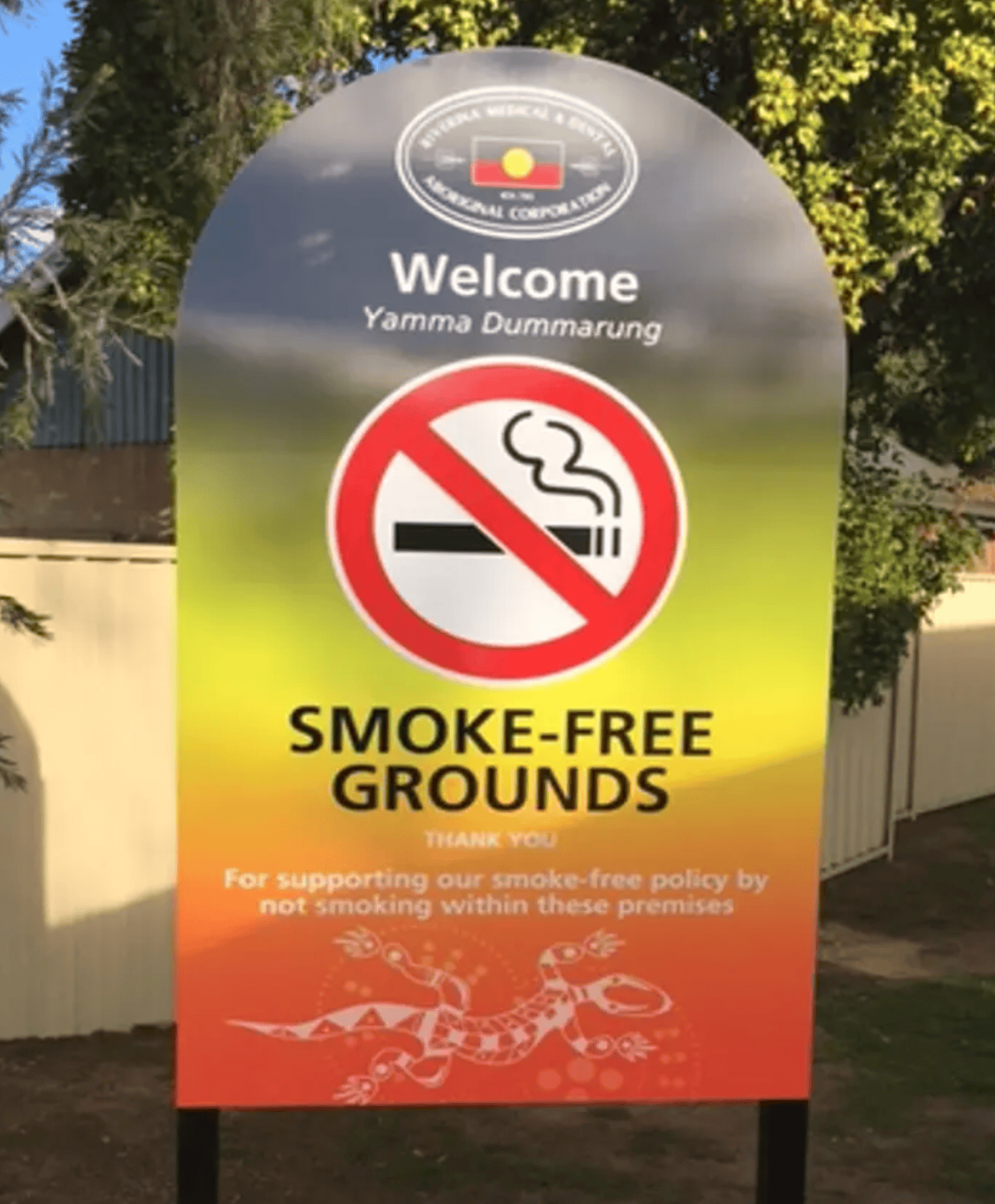
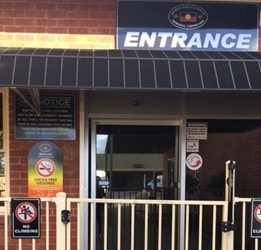
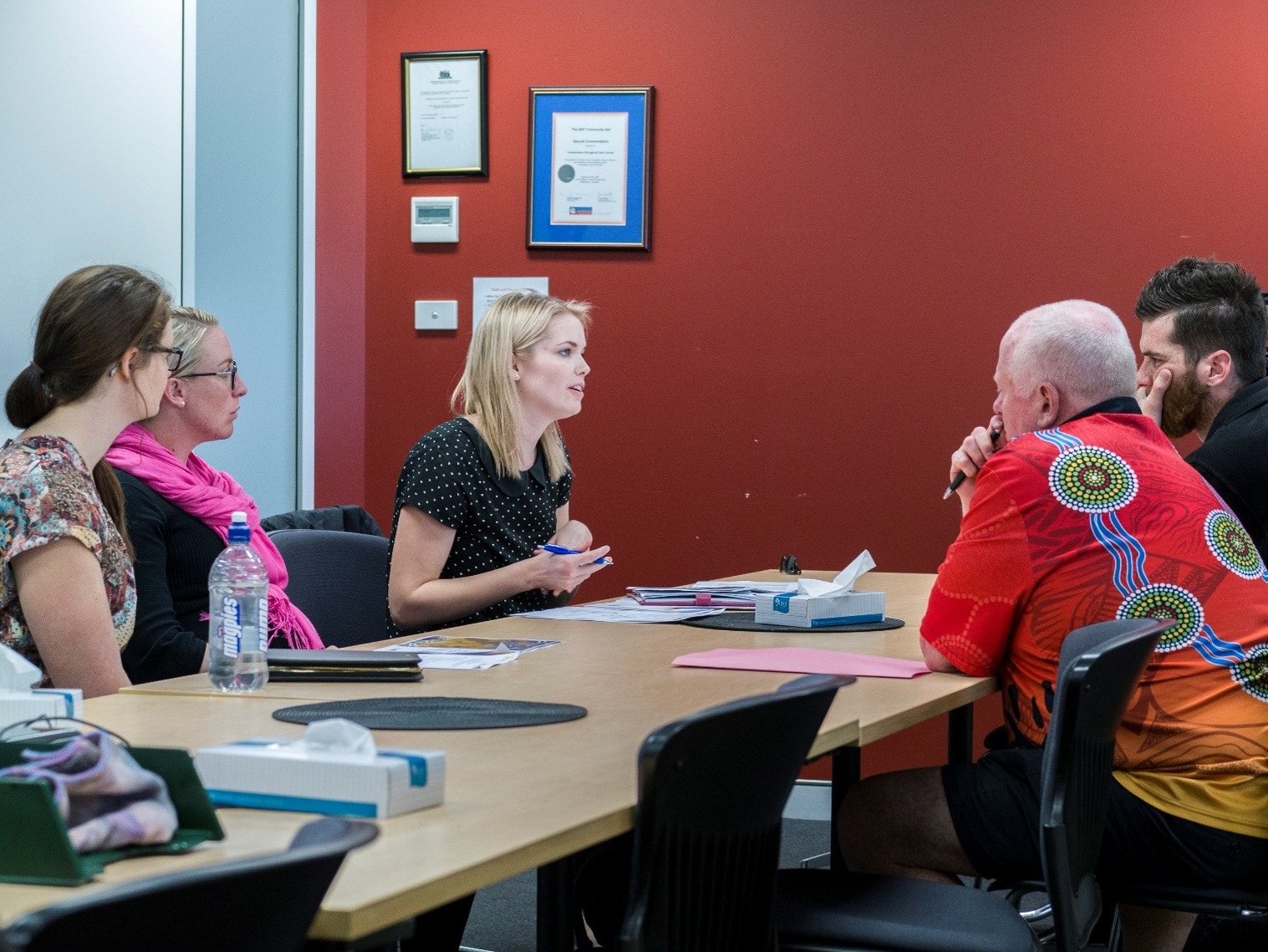
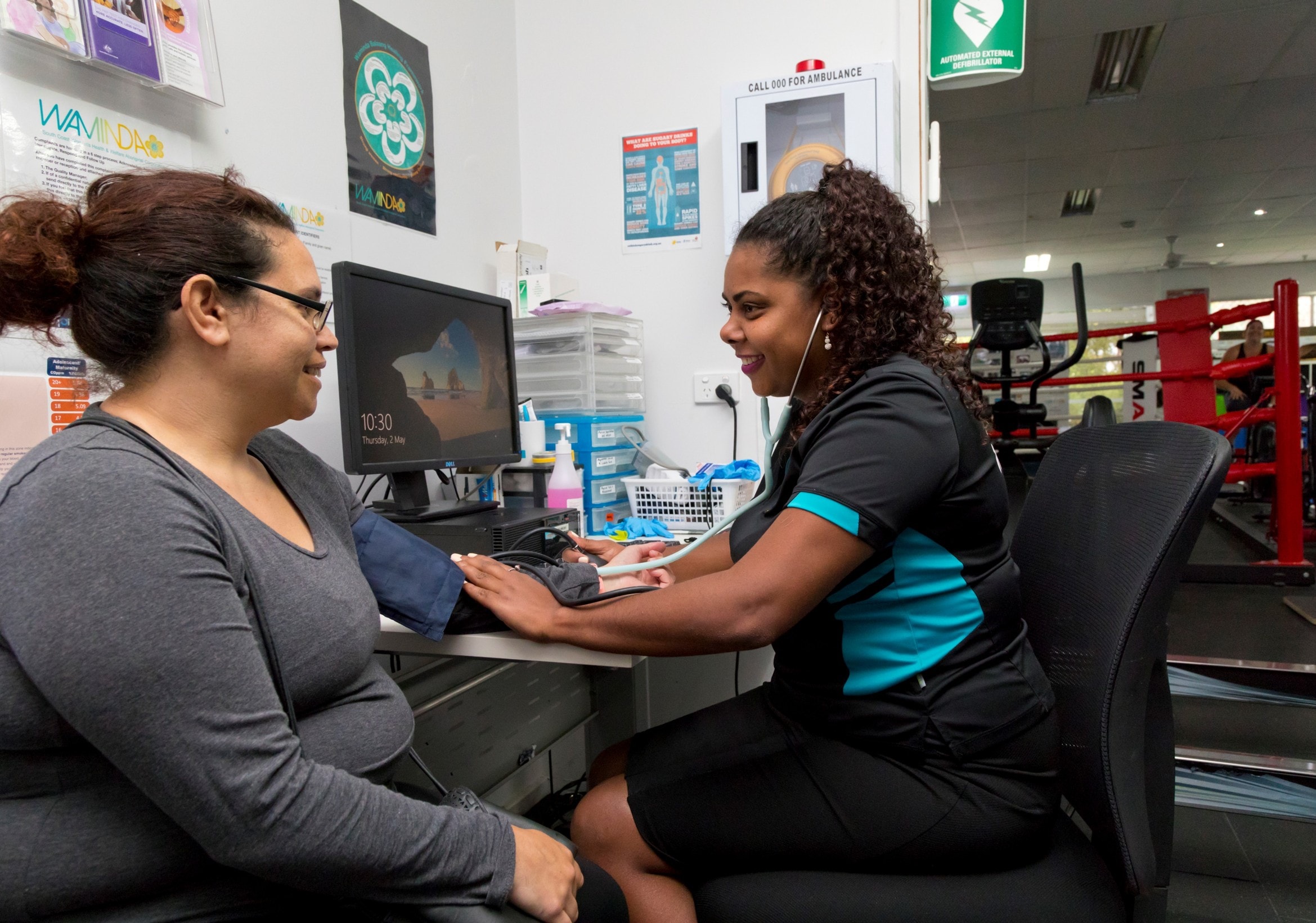
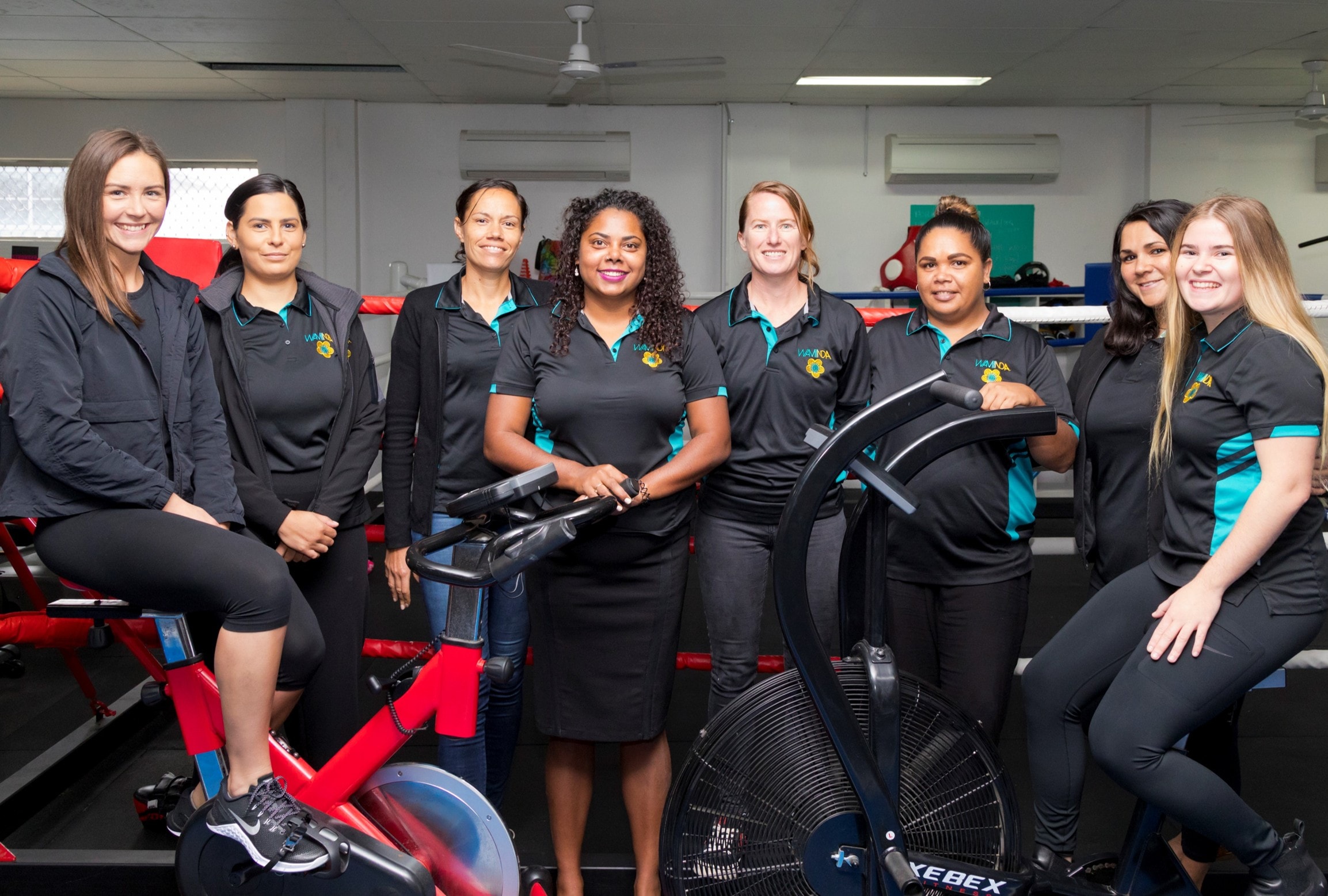
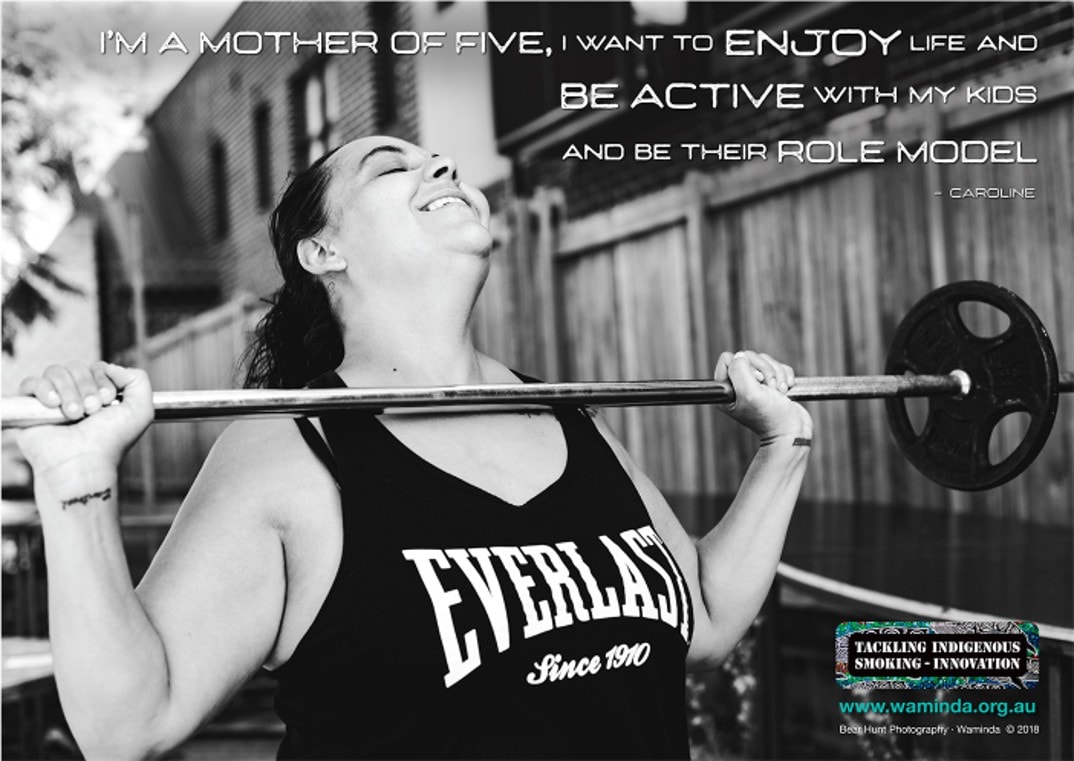
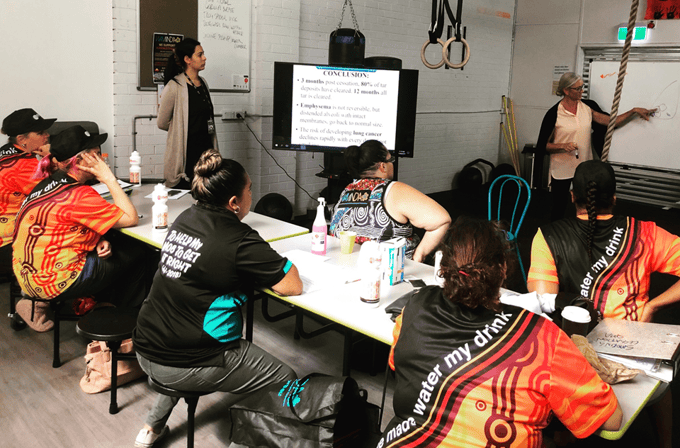
Cancer Council NSW completed consultation with Aboriginal Health & Medical Research Council (AH&MRC) to inform changes to Tackling Tobacco processes and resources, ensuring the program was culturally appropriate.
The initiative aimed to reduce the impact of tobacco on Aboriginal communities by increasing the capacity of Aboriginal Health Services across the Aboriginal Tobacco Resistance and Control (ATRAC) Framework. Key outcomes included:
- Stronger governance: 58% of Aboriginal Health Services set up a steering group dedicated to addressing smoking
- Smoke-free culture: 85% said their organisation "discourages smoking on the premises and actively supports quit attempts", with 75% introducing clear and visible smoke-free signage
- Leadership involvement: 95% had at least one senior manager either directly involved or formally responsible for Tackling Tobacco
- Access to quit support: 54% gave out free NRT to clients, and 85% provided referrals to the Aboriginal Quitline
- High satisfaction: 92% of services reported being very or extremely satisfied with the Tackling Tobacco project
2017
Building connections and sharing success through Dadirri Yarning Circles
Cancer Council NSW facilitated two Dadirri Yarning Circles as part of the Tackling Tobacco in Aboriginal Communities Initiative, bringing together staff from Aboriginal Health Services to share tobacco cessation successes, challenges and solutions.
Dadirri Yarning Circles – Tackling Tobacco in Aboriginal Communities
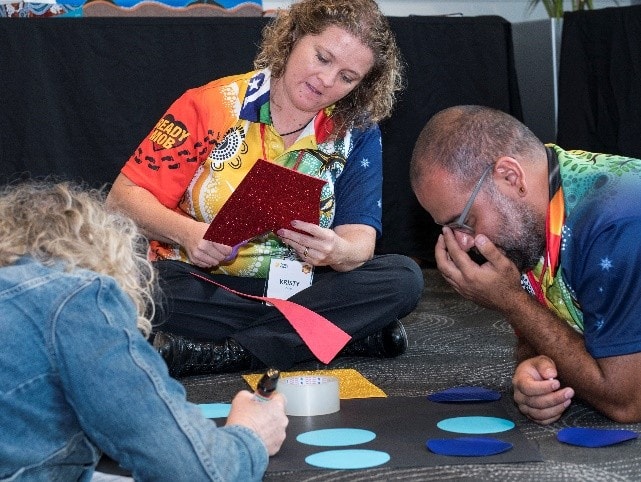
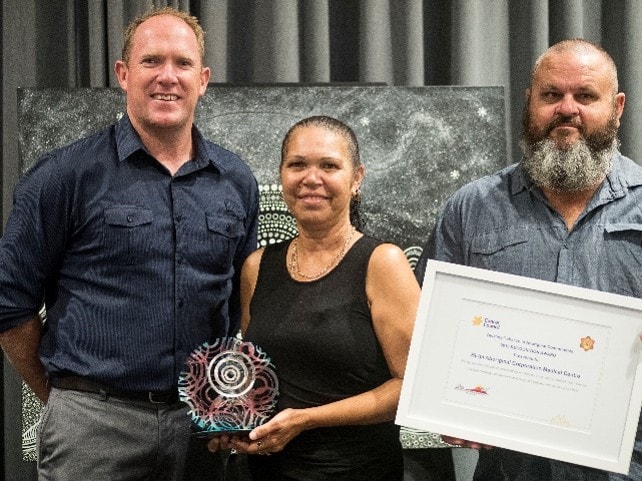
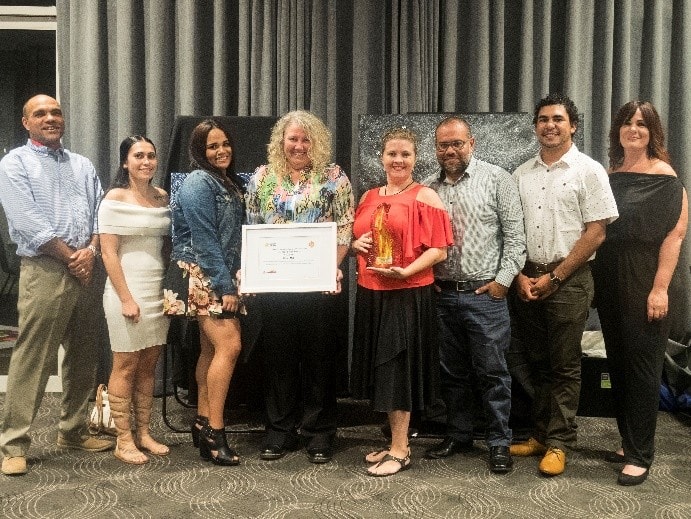
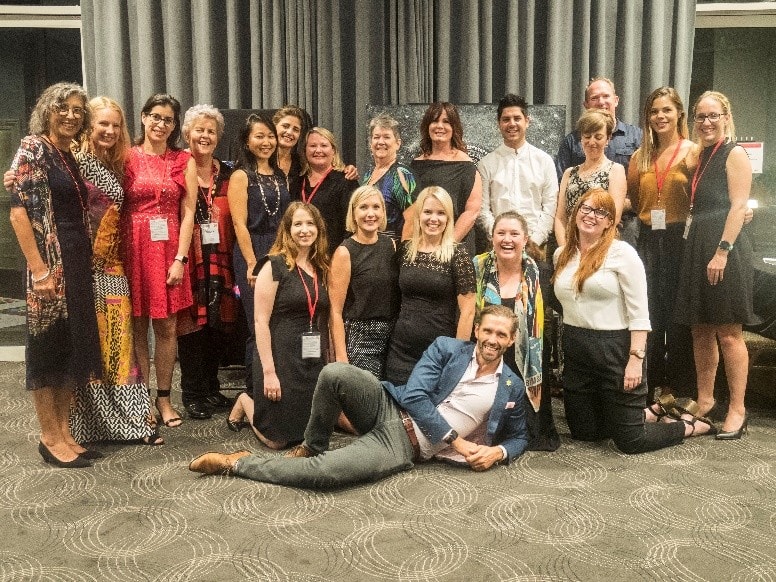
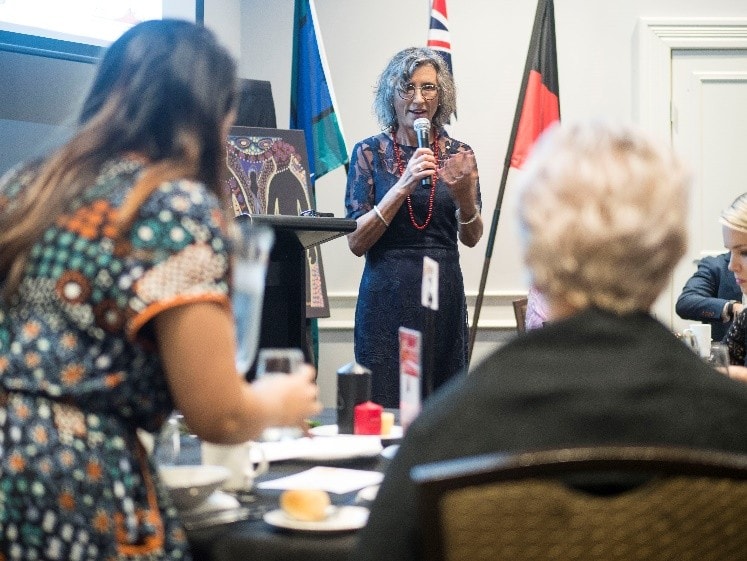
Throughout the Tackling Tobacco in Aboriginal Communities Initiative, Cancer Council NSW facilitated two Dadirri Yarning Circles (28-29 March 2017 and 21-22 March 2018). The Dadirri Yarning Circles were two-day interactive workshops where Cancer Council NSW regional staff worked alongside their partners from local Aboriginal Health Services in a culturally welcoming space to share tobacco cessation successes, challenges and solutions. Cancer Council NSW project funding supported travel to the workshops and provided a package that included accommodation and catering. In 2017, the Dadirri Yarning Circle was facilitated by Fiona Hyland, and in 2018 by Michelle Kennedy.
The workshops brought together two staff members from each participating Aboriginal Health Service, the ReadyMob Tackling Indigenous Smoking team, Cancer Council NSW and AH&MRC staff. The agenda was led by the services and provided opportunities to learn from each other and to recognise and celebrate successes. Content analysis from the evaluation of the 2018 Dadirri Yarning Circle showed that the workshops were effective at creating a safe space for participants to connect, to share learnings and to celebrate successes.
Creation and evaluation of Tackling Tobacco eLearning modules
In 2017, Cancer Council NSW developed dedicated Tackling Tobacco eLearning modules, drawing from the existing evidence-based and effective in person training that was delivered as a one-day on-site workshop.
Funded for an Evidence to Practice grant from Cancer Institute NSW, Cancer Council partnered with the Centre for Community Welfare Training and an expert advisory group to evaluate the reach and effectiveness of delivering Tackling Tobacco training via e-learning modules versus face-to-face.
The evaluation found that the eLearning produced better learning outcomes compared to the face-to-face training, and that participants found eLearning an acceptable alternative, with only a slight preference for face-to-face.
2018
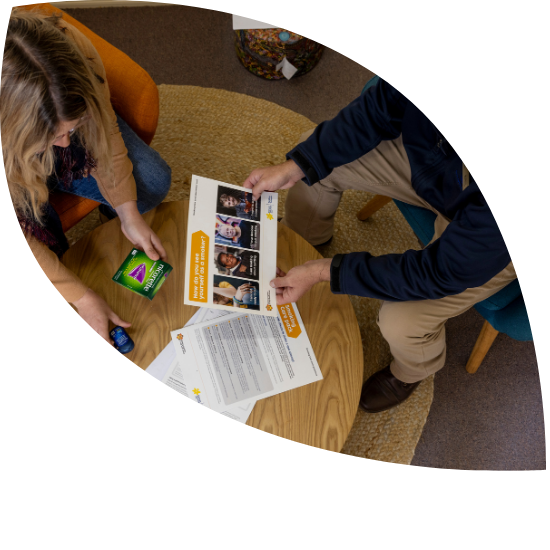
Publication of the “Call it Quits” research trial
The Call it Quits randomised control trial examined the effectiveness of a community service organisation case-worker delivered smoking cessation intervention among highly disadvantaged smokers.
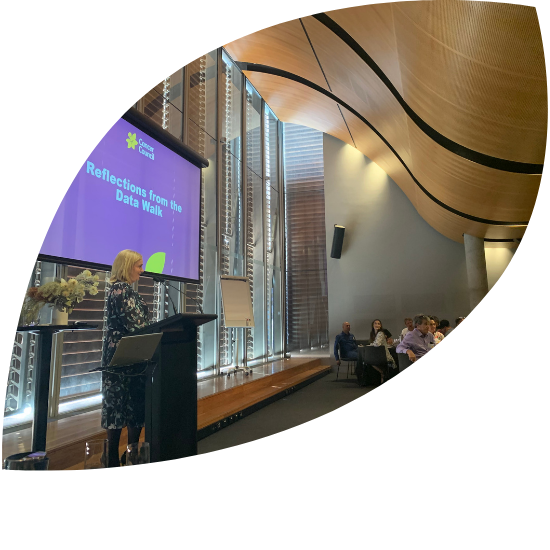
2019
Results of the Tackling Tobacco in Mental Health Research Project
2019 saw the completion of the NSW Ministry of Health-funded Tackling Tobacco in Mental Health randomised control trial! 26 community managed mental health organisations (CMOs) took part in the project, reaching 194 staff and 257 consumers.
Results of the Tackling Tobacco in Mental Health Research Project
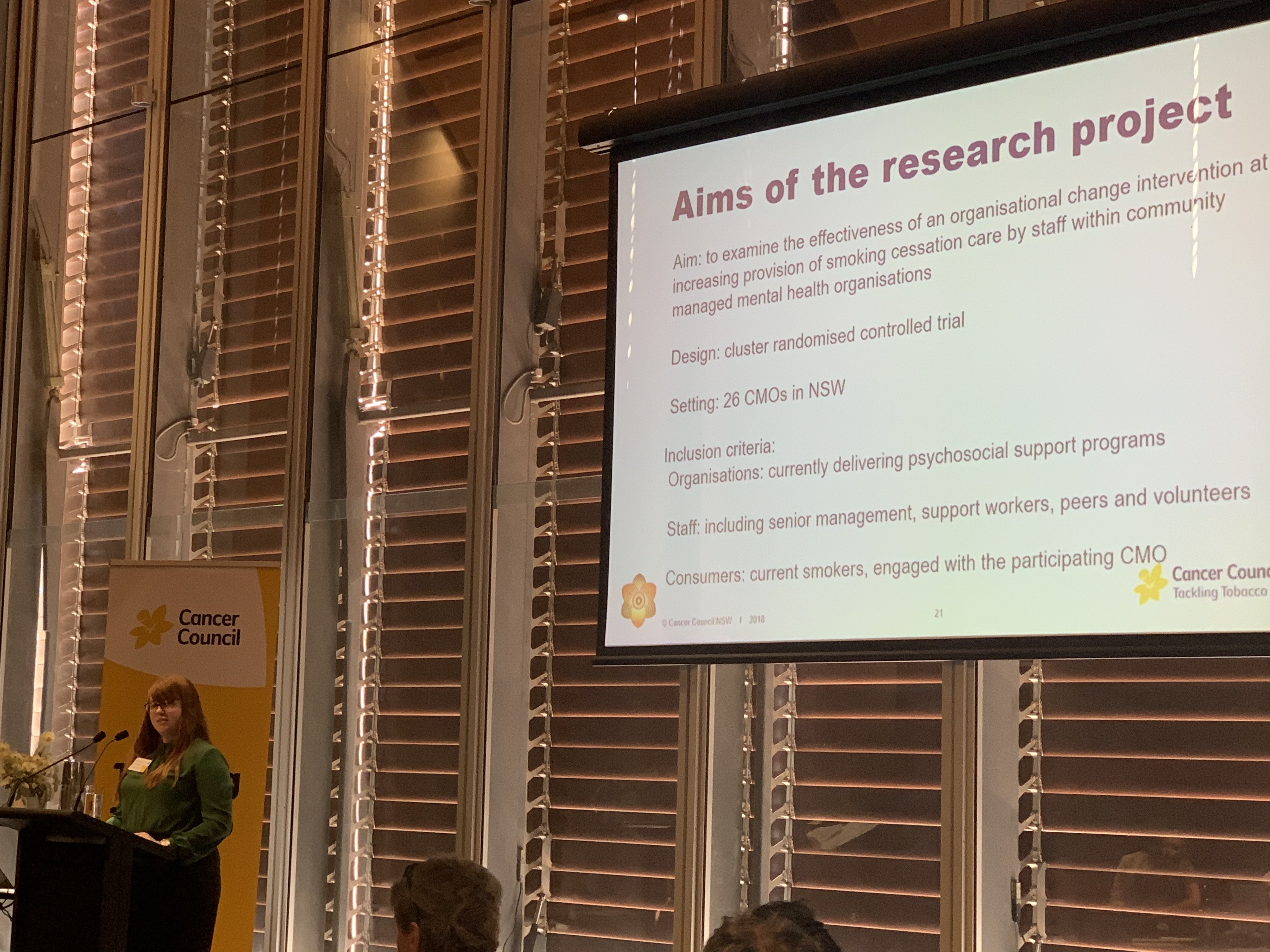
2019 saw the completion of the NSW Ministry of Health-funded Tackling Tobacco in Mental Health randomised control trial! 26 community managed mental health organisations (CMOs) took part in the project, reaching 194 staff members and 257 consumers! Overall, the Tackling Tobacco program was effective at changing staff practice within CMOs to help them provide smoking cessation support to consumers.
Key achievements:
Consumers that received the Tackling Tobacco intervention were more likely to report:
- having been offered quit smoking support in the form of NRT;
- to have used NRT; and
- to have reduced their nicotine dependence.
CMO staff working in sites that received the Tackling Tobacco program were more likely to report offering smoking cessation support in the form of NRT compared to staff working in control sites. CMOs that received the Tackling Tobacco program made more organisational changes than those sites that received the control condition.
Significance:
It was this research trial that laid the foundation for the Tackling Tobacco Summit and the development of the Tackling Tobacco in Mental Health Action Plan.
Tackling Tobacco Performance Partnerships Summit
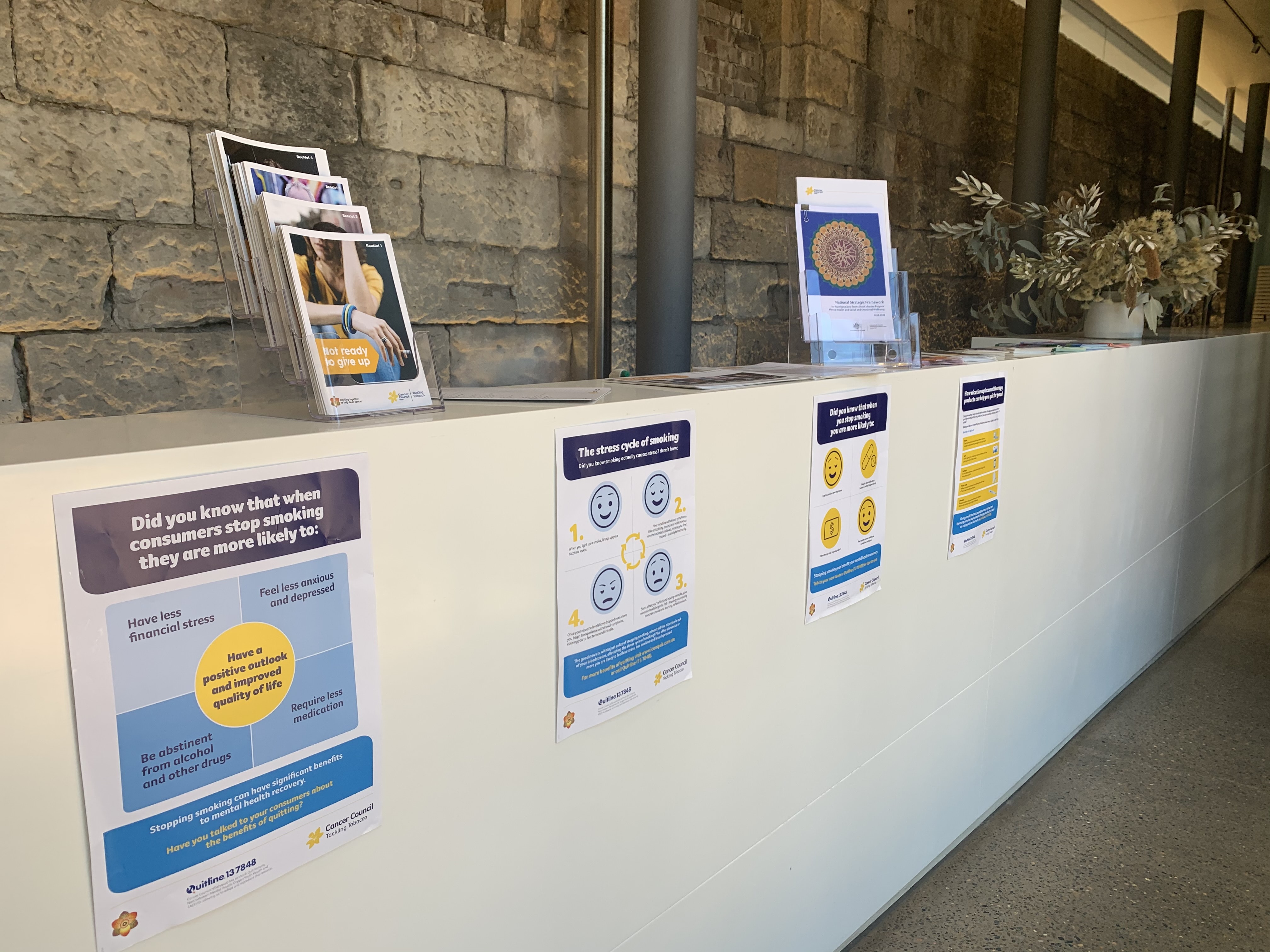
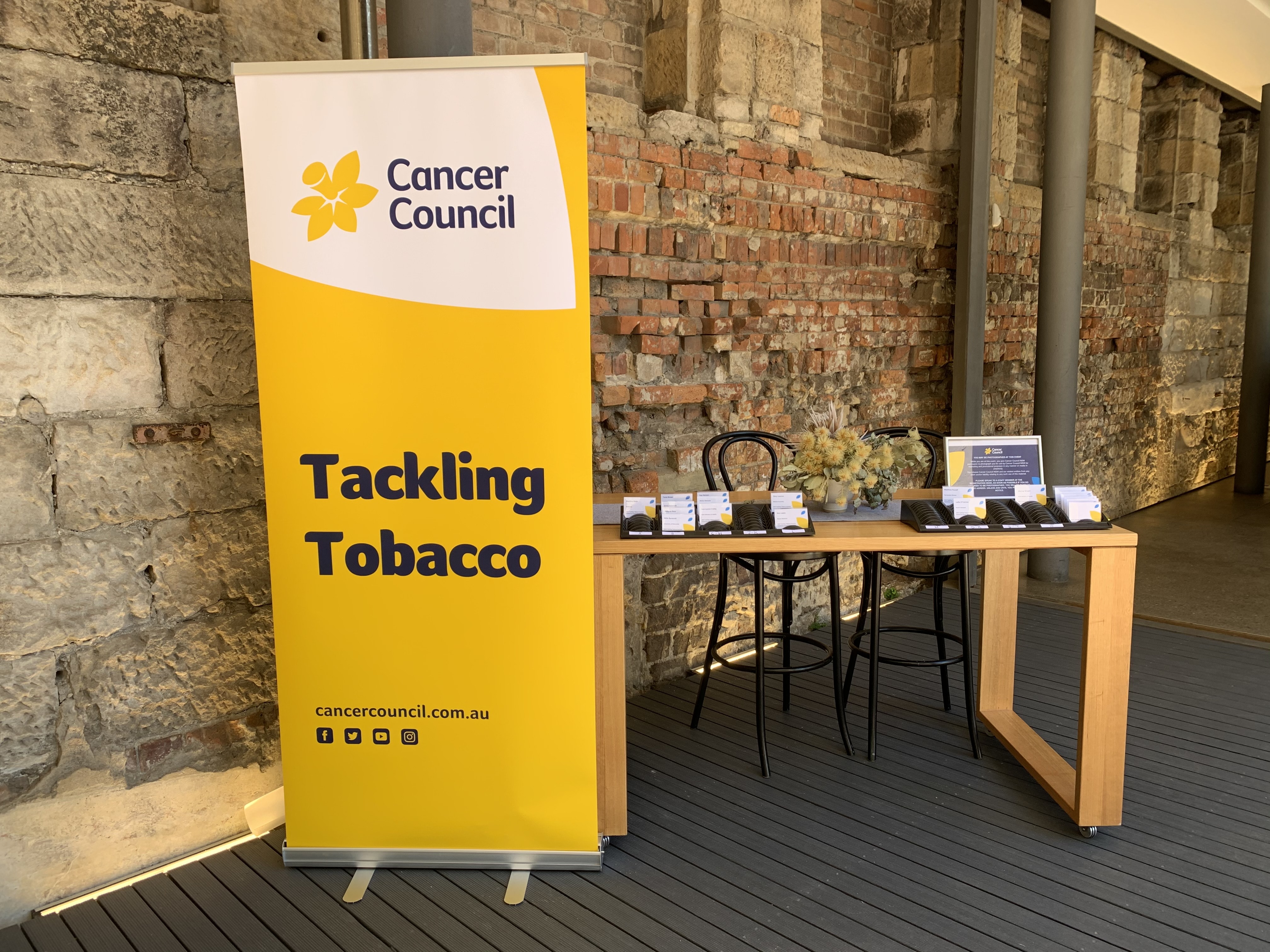
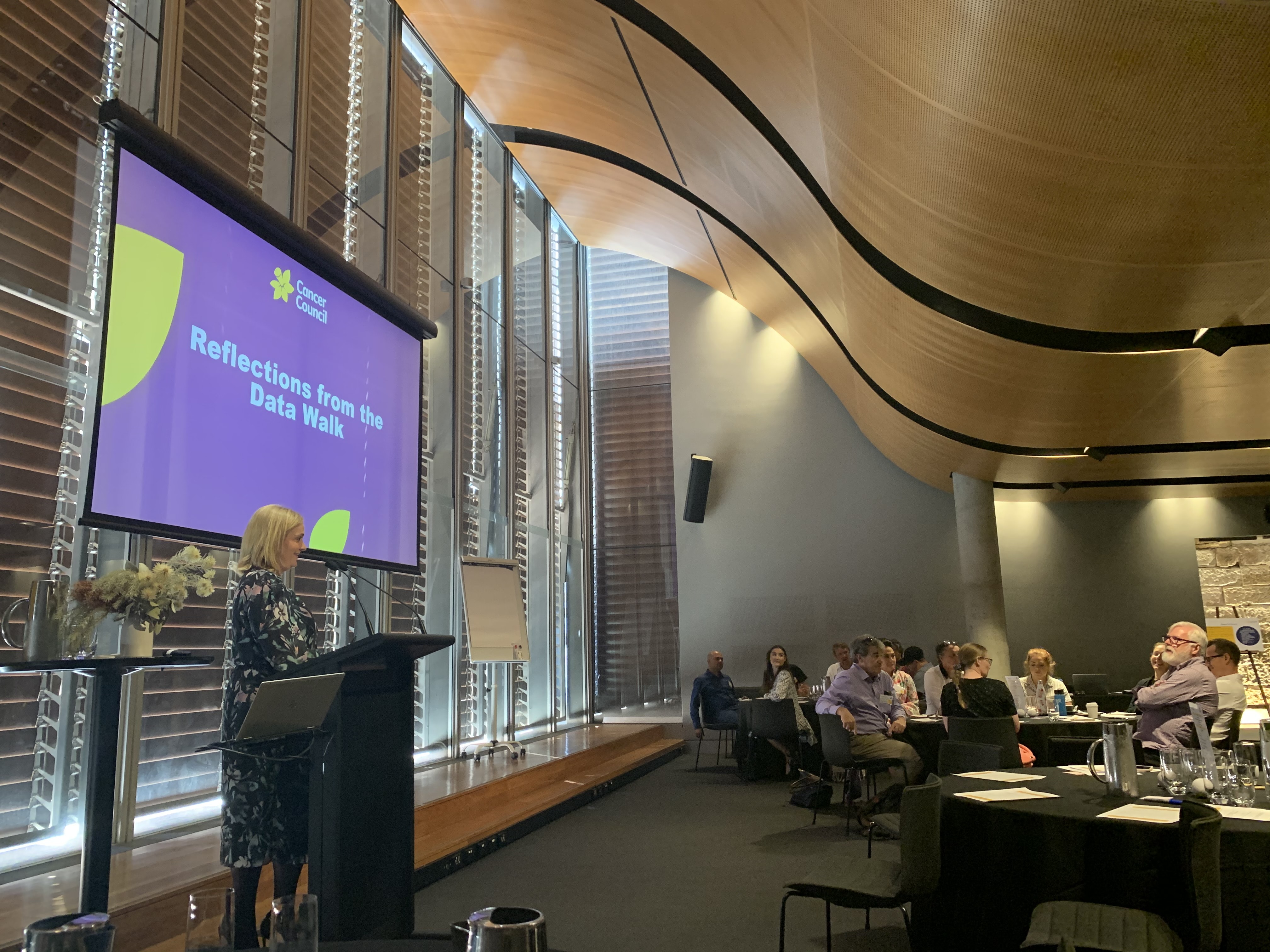
A key milestone of the Tackling Tobacco Mental Health Project was for Cancer Council NSW to host a 'Tackling Tobacco Summit' informed by the Performance Partnership Model. The Summit was held in Sydney on 11-13 November 2019.
The purpose of the Summit was to develop an agreed Action Plan for collaborative action by CMOs, peak bodies, academic institutions and NSW Government agencies to reduce the impact of tobacco use among people experiencing mental illness. The Summit provided a unique opportunity to bring together key tobacco control and mental health stakeholders from all over NSW – 51 participants across 18 organisations were in attendance! Participants were from a diverse range of roles, including CEOs, managers, team leaders, frontline workers, peer workers, researchers, policy makers, people with lived experience and family members/carers.
During the 1.5 day event, Summit participants reviewed the results of the Tackling Tobacco in Mental Health Project (funded by NSW Ministry of Health) and developed an Action Plan for the CMO sector to further improve upon tobacco cessation practice.
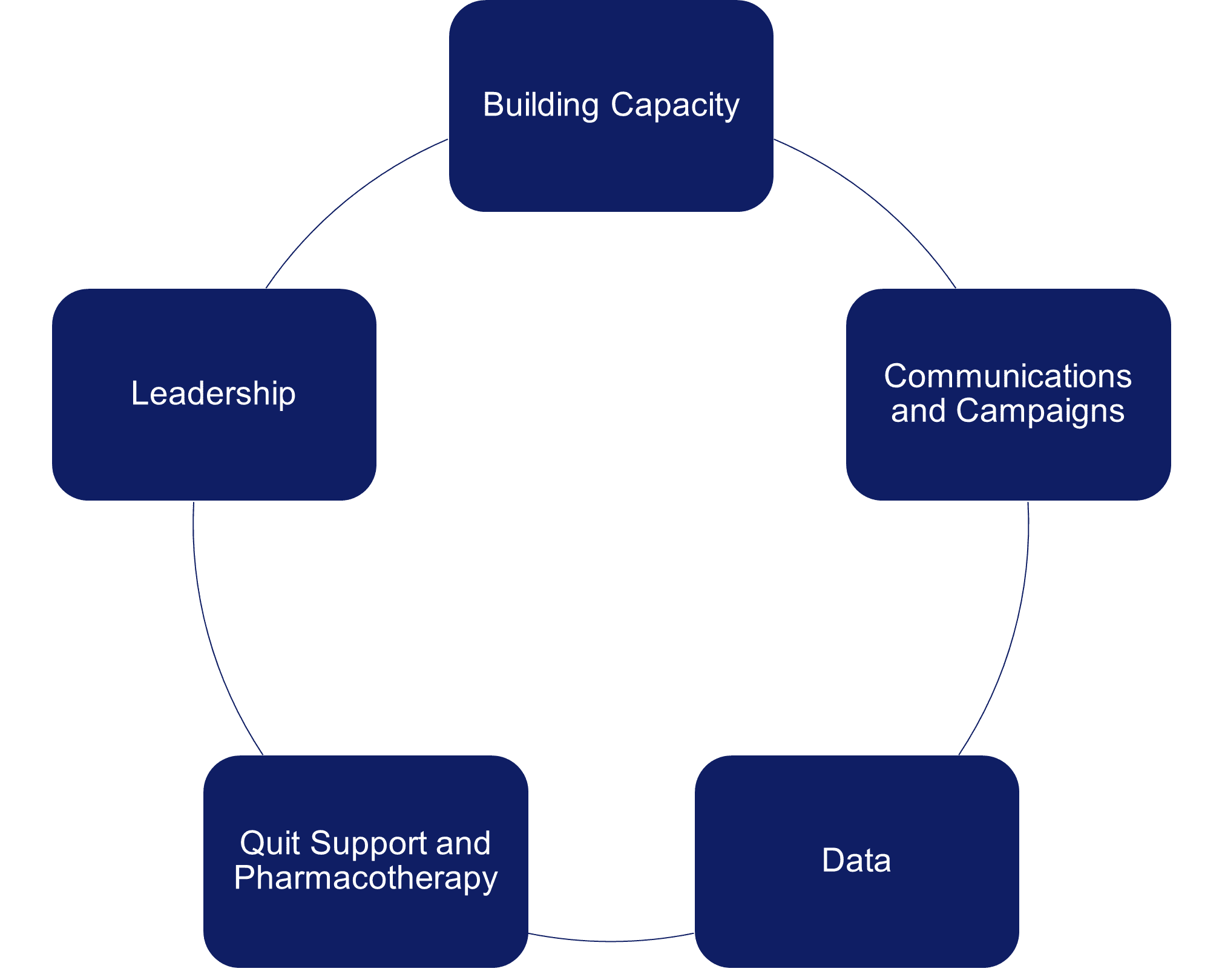
Key stakeholders aimed to develop "low cost, no cost" strategies, using the Tackling Tobacco model as a framework, now known as the five 'Strategic Action Areas'.
The Summit was successful in reaching consensus from the group on baseline data (smoking prevalence) and target to reduce tobacco use in CMOs. The Summit also saw strengthened networks of the key stakeholders to spur ongoing collaboration and innovation!
2020
Adapting to the COVID-19 pandemic
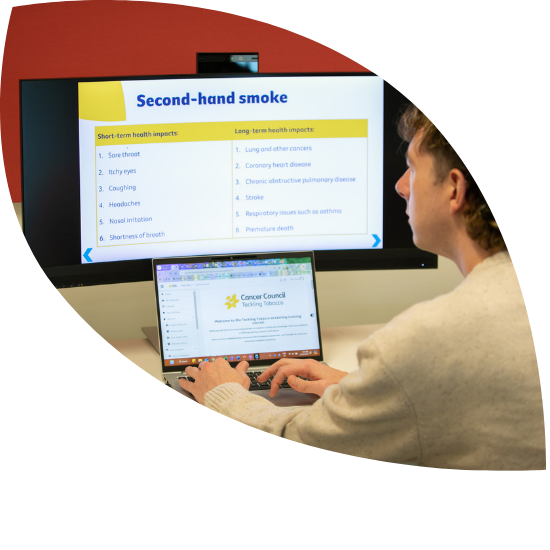
2020 was the year the pandemic changed how Cancer Council NSW delivered the Tackling Tobacco program. CSOs extended their projects, and the team adapted their 6-hour face-to-face training to a 3-hour online Zoom session.
Adapting to the COVID-19 pandemic
2020 was the year the pandemic changed the way Cancer Council NSW delivered the Tackling Tobacco program. Community service organisations (CSOs) who signed up for the program in the 2019/20 financial year extended their projects for an additional 6 or 12 months to ensure organisational changes made from the program were sustained. The Tackling Tobacco team also efficiently adapted their 6-hour face to face training package, to a 3-hour online Zoom session.
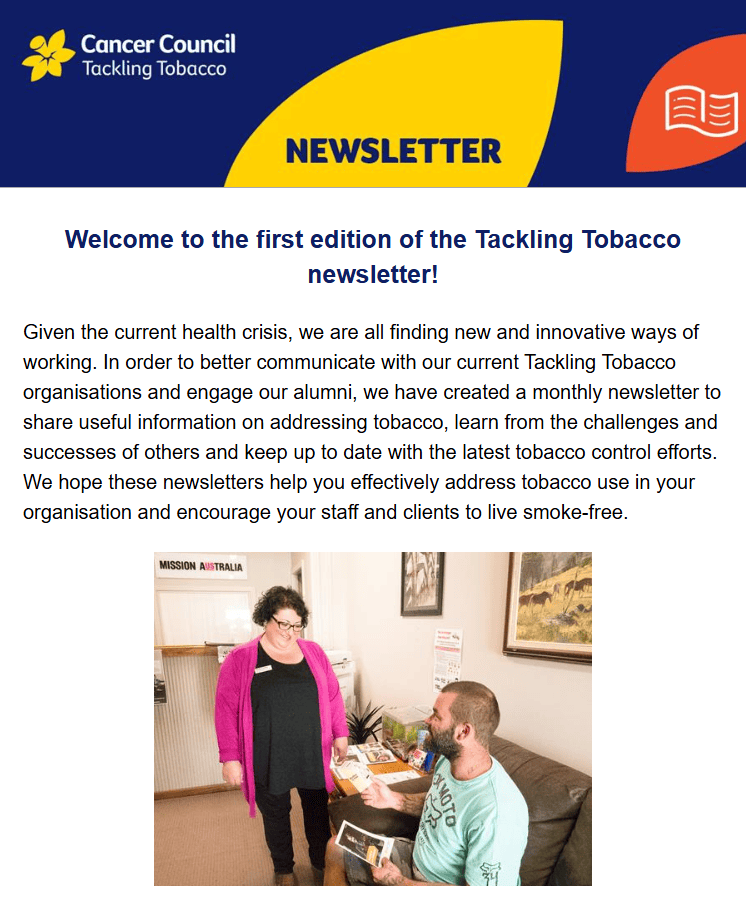
It was during this time that the Tackling Tobacco monthly newsletter was reinvigorated – the goal was to keep communication lines open with CSO staff and ensure tobacco use remained a priority. The newsletters included a featured element of the program, useful resources, a Tackling Tobacco case study, special events and other key announcements.
Tackling Tobacco Training Partnership with Neami National
In 2020, Cancer Council NSW formed a partnership with Neami National to provide support to their South Eastern NSW Smoking Project, funded by Coordinare grant.
Cancer Council NSW provided practical and planning support to Neami National, including hard copy and digital resources, eLearning module delivery and consultation, access to Tackling Tobacco materials and the Tobacco Control Unit to source and adapt training and workshops.
Neami National utilised Tackling Tobacco training to skill-up mental health professionals from multiple organisations in the Southern NSW region as a driver to embed referrals from organisations to Neami's smoking cessation program, Kick the Habit. Training was rolled out in Wollongong, Shellharbour, Nowra, Queanbeyan, Goulburn, Batemans Bay and Bega.
Key achievements from the program included:
- Seven face-to-face and two online training sessions delivered
- 65 staff members were registered for training, with 55% completing the training package
- 119 NRT vouchers were given out, leading to 86 consumers accessing free NRT
- 48 consumers referred to the Kick the Habit tobacco coaching program
- 7 pharmacy partnerships established in the region
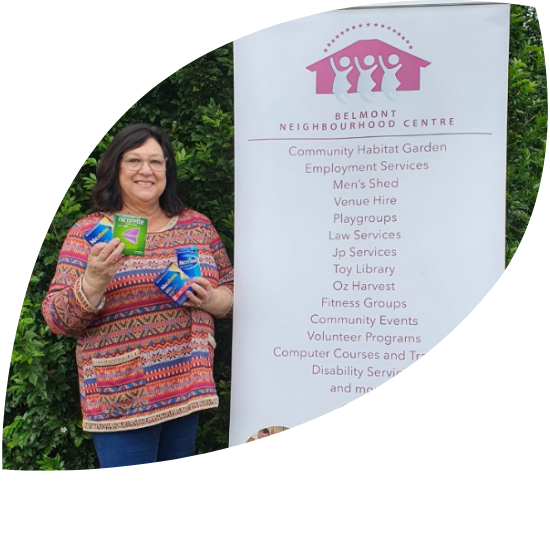
The success of this project inspired Neami National to broaden Tackling Tobacco training to all of their sites within NSW. The following year, Cancer Council NSW licensed the Tackling Tobacco train-the-trainer package to Neami National and upskilled four of their staff to support the roll out!
2021
National expansion of Tackling Tobacco to Cancer Council federation partners
Since Tackling Tobacco's inception, the program has been wholly or partially licensed and delivered across NSW, WA, ACT, SA, TAS, QLD and VIC, marking significant national uptake.
"Being part of the Tackling Tobacco program has been instrumental to our mission in reducing tobacco related harm. Providing a structured, measured and flexible program has been vital in supporting community services implement support for participants. The project including eLearning is tailored, interactive, and has effectively engaged staff. The synergy of working nationally is also beneficial to share information, program promotion and expertise to address the inequity that smoking causes."
Andrew Schultz, Tobacco Lead, Cancer Council SA
National expansion of Tackling Tobacco to Cancer Council federation partners
Since Tackling Tobacco's inception, the program has been wholly or partially licensed and delivered across NSW, WA, ACT, SA, TAS, QLD and VIC, marking significant national uptake.
In July 2021, Cancer Council ACT licensed the full Tackling Tobacco program to deliver it to community service organisations in their jurisdiction. Cancer Council SA followed suit and also licensed the Tackling Tobacco program from Cancer Council NSW later that year in December 2021. A few years later, Cancer Council WA also licensed Tackling Tobacco in November 2023.
To support Cancer Council ACT, SA and WA in their roll out of the program, Cancer Council NSW provided them with training on tobacco use and priority populations more broadly and key steps to implement Tackling Tobacco. Cancer Council NSW also delivered train-the-trainer sessions to their federation partners, to empower staff to on-deliver training to the community service organisations they partnered with.
This expansion of the program has been backed by ongoing Tackling Tobacco National Implementation Group meetings with all Cancer Council federation partners. The Implementation Group was established to provide a forum to share practical knowledge about the development, implementation and evaluation of Tackling Tobacco (or similar programs/initiatives) to address smoking among priority populations across Australia.
Cancer Council ACT has since wrapped up delivering the Tackling Tobacco program, and Cancer Council SA and WA are still delivering the program today!
Cancer Council NSW continued program delivery of Tackling Tobacco with support from Cancer Institute NSW
In June 2021, Cancer Council NSW was funded by Cancer Institute NSW to support the continued delivery and expansion of the Tackling Tobacco program. This funding directly supported the goals of the new 2021-2024 Tackling Tobacco Strategy including expanding reach to new communities, enhancing training, and building program sustainability. This funding ensured that, despite the challenges posed by the Covid-19 pandemic, Cancer Council NSW continued to lead in smoking cessation in priority populations across NSW.
2022
Complete redevelopment of the Tackling Tobacco training!
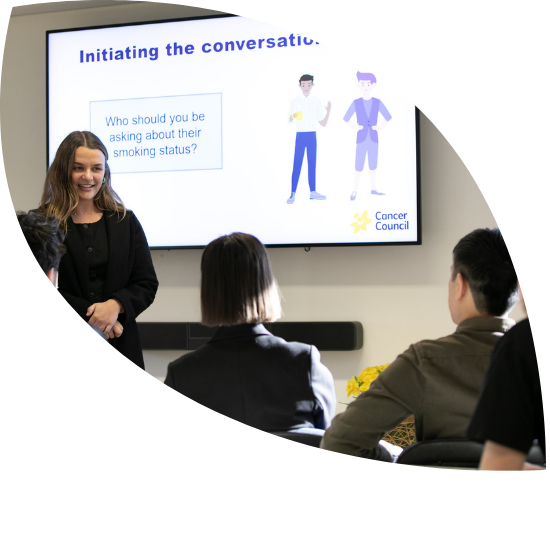
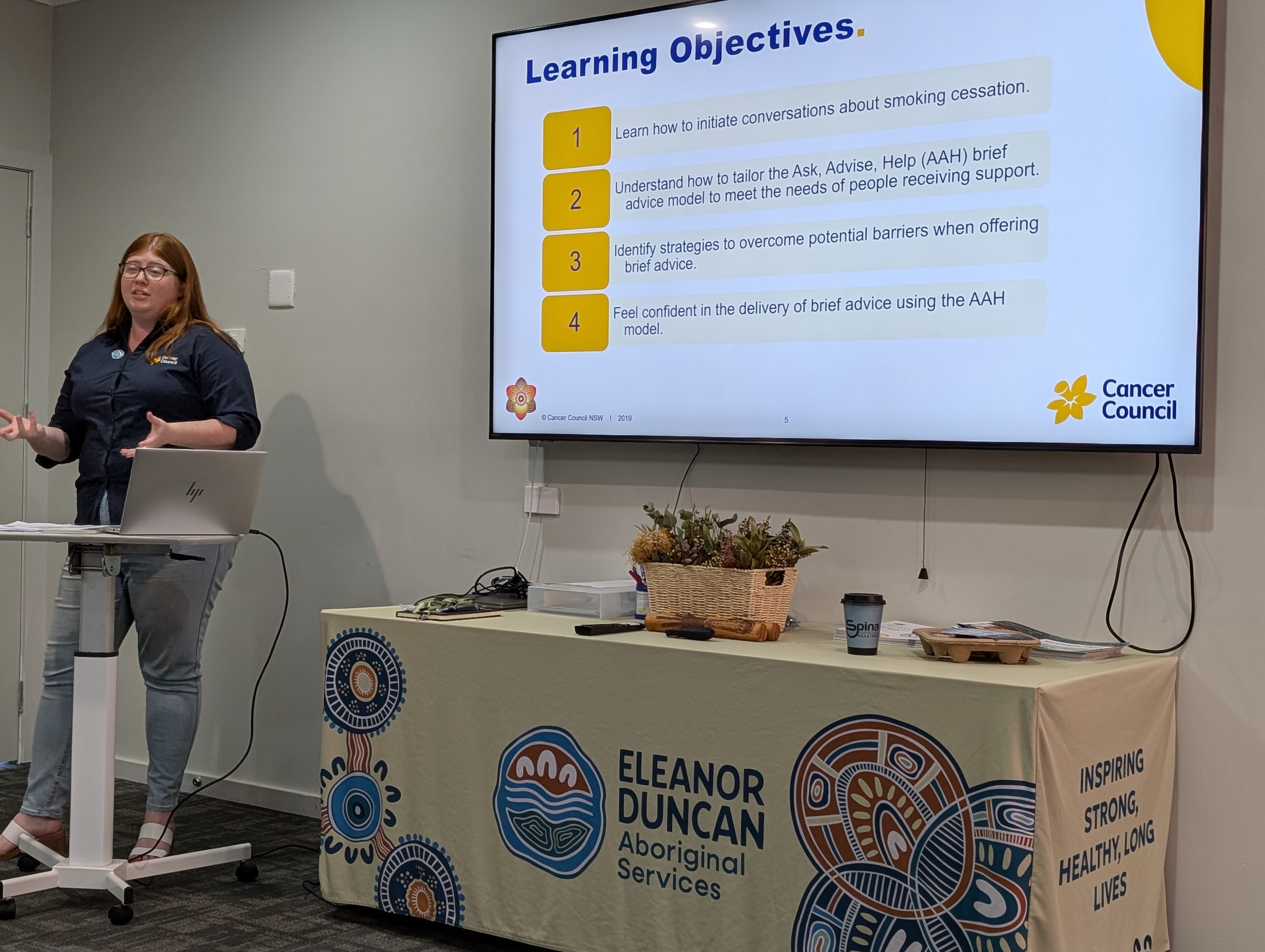
April 2022 saw the start of the redevelopment for the Tackling Tobacco training, driven by NSW Health’s ESTER competencies and RACGP recommendations, moving to the Ask, Advise, Help (AAH) model.
Complete redevelopment of the Tackling Tobacco training!
April 2022 saw the start of the redevelopment for the Tackling Tobacco training! The change in training content was driven by NSW Health's Excellence in Smoking Cessation Training, Education and Resources (ESTER) competencies and RACGP recommendations, moving away from the Ask, Advise, Assess, Assist, Arrange (5As) model of brief advice to the Ask, Advise, Help (AAH) model.
The training was redesigned from the ground up, with internal and external stakeholders consulted at every stage of development. Focus groups were held to evaluate what worked well with the existing training package, which cemented the thought that a blended learning approach works well for staff to feel more confident and knowledgeable about smoking cessation and holding brief interventions with their clients.
Community testing took place once new eLearning modules were complete to ensure they met the needs of Community Service Organisations (CSOs). The new Tackling Tobacco eLearning course was launched in July 2023. Following the eLearning course revamp, the Tackling Tobacco facilitated training session also updated in line with the AAH model and was reduced to two hours instead of three.
If you are interested in completing our Tackling Tobacco training, you can express interest via this link!
Tackling Tobacco presentations at regional Dadirri Yarn Ups, reinvigorating Tackling Tobacco in Aboriginal Communities
Due to the Covid-19 pandemic, program delivery for the Tackling Tobacco in Aboriginal Communities Initiative was temporarily paused. Following consultation internally at Cancer Council NSW and with AH&MRC, the Initiative underwent a review to support recommencement of program delivery in 2022! Cancer Council NSW recruited a Specialist for Tobacco Control in Aboriginal Communities, an identified position, which directly focused on the implementation of Tackling Tobacco in Aboriginal Communities.
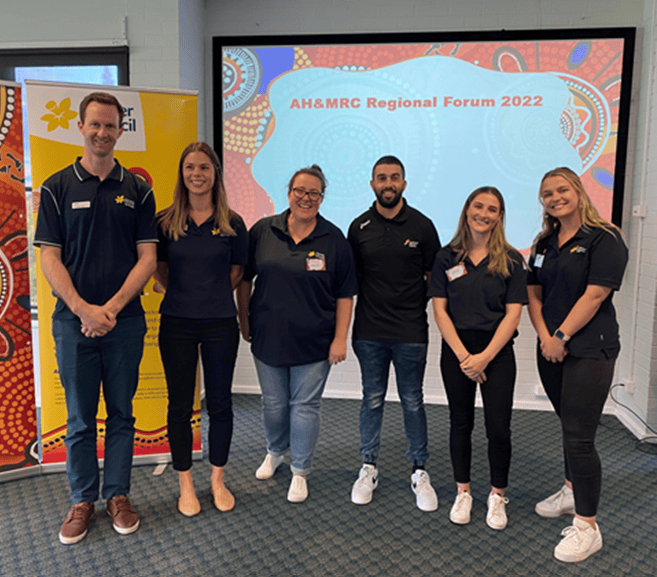
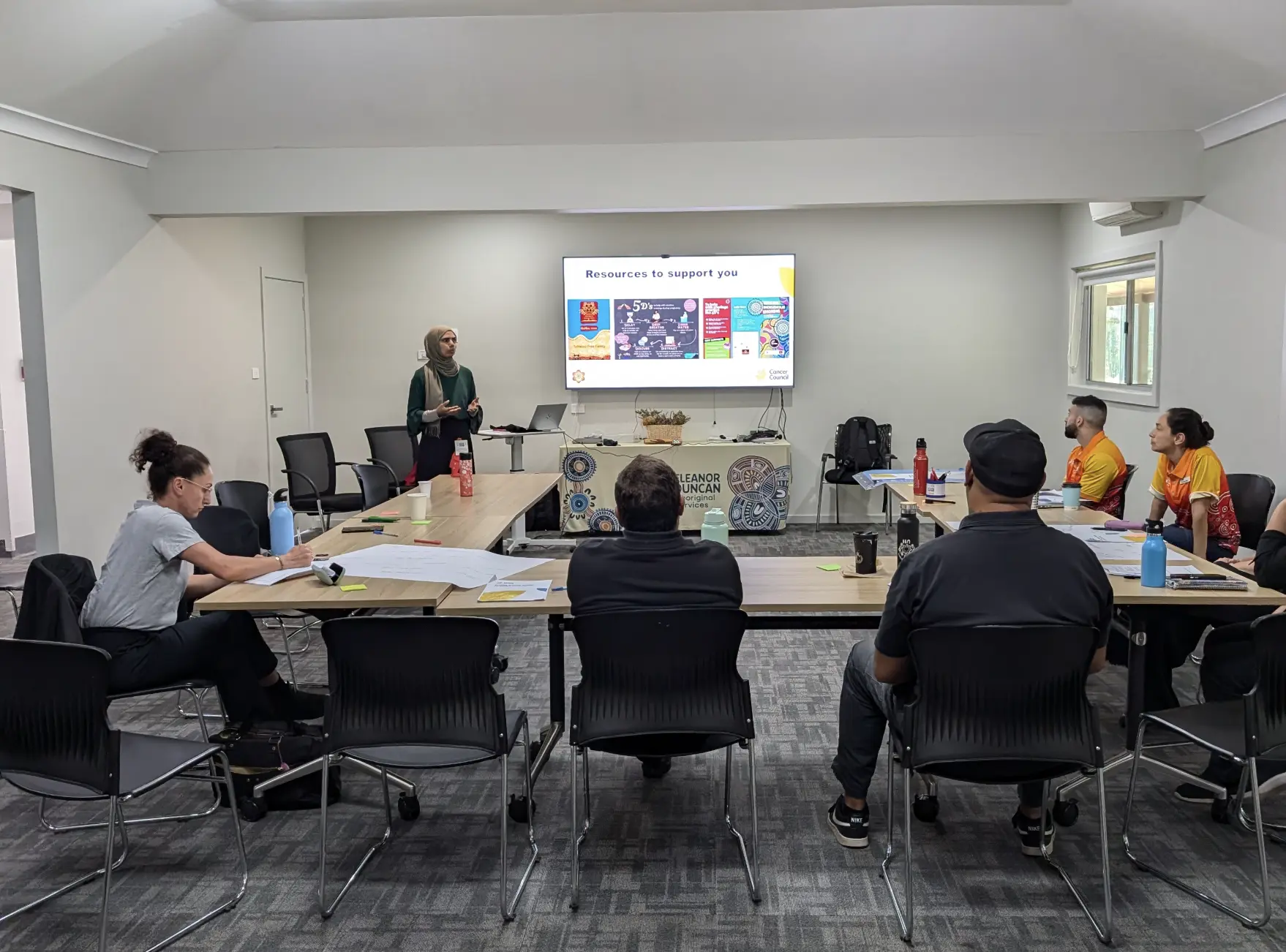
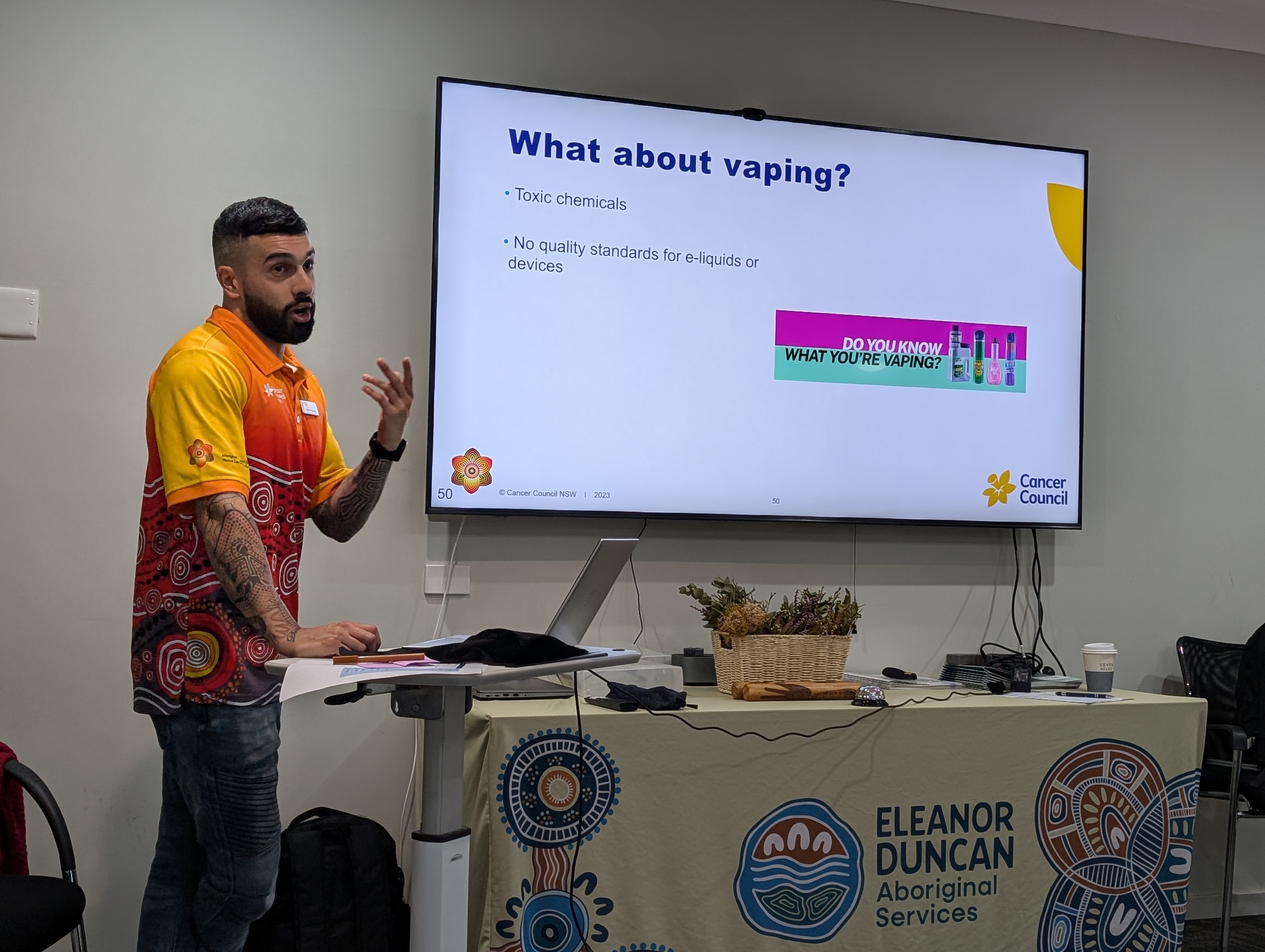
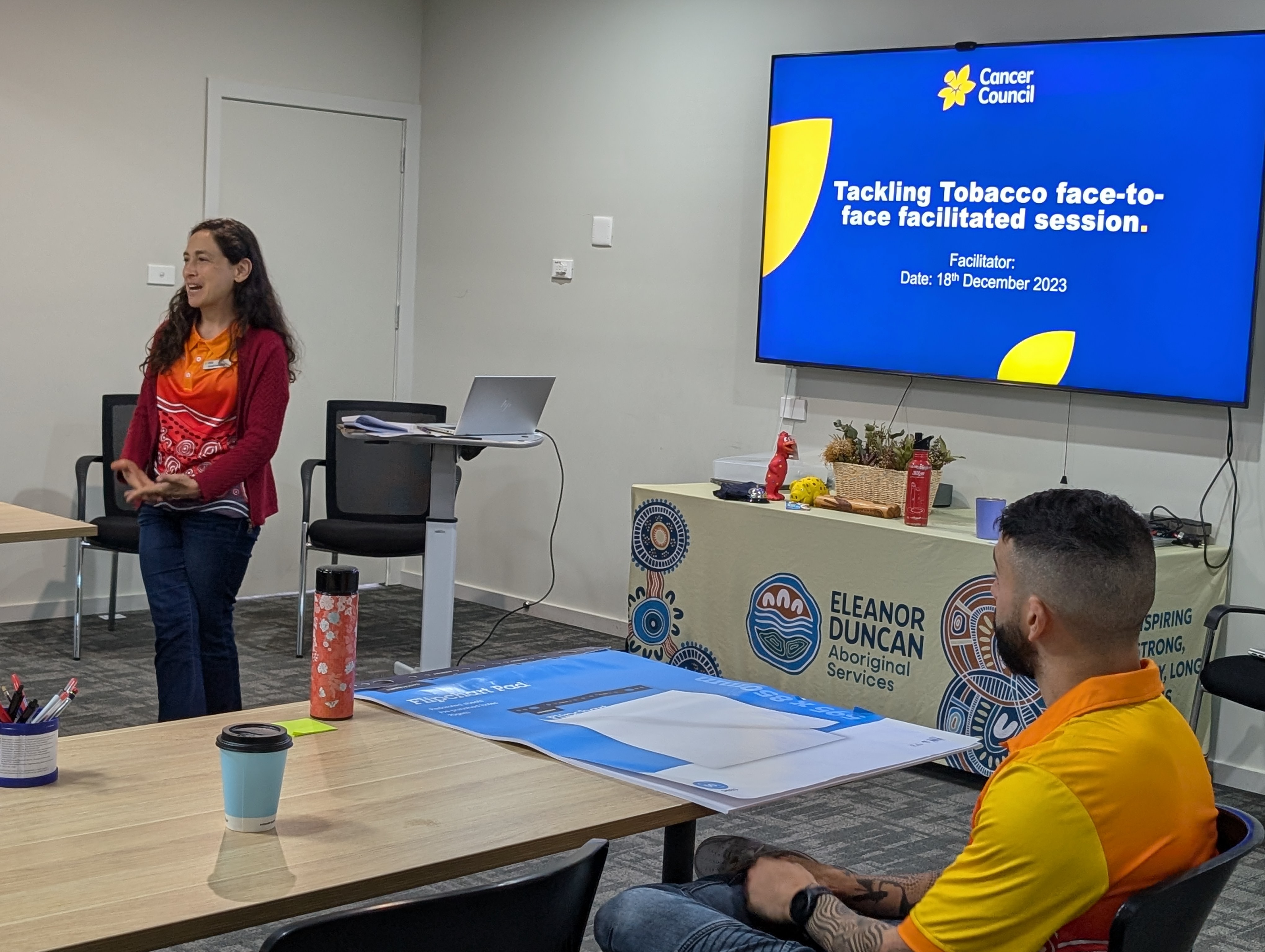
Throughout April and May 2022, Cancer Council NSW staff presented on the Tackling Tobacco program in Aboriginal Communities Initiative at regional Dadirri Yarn-Ups in Nowra, Dubbo, Metropolitan Sydney and Coffs Harbour. Following the presentations, members of the Tackling Tobacco team provided further information to community members from local Aboriginal Community Controlled Health Services about the program, which resulted in four expressions of interest being submitted to take part!
Since Tackling Tobacco in Aboriginal Communities recommenced in 2022, Cancer Council NSW have closely worked with five Aboriginal Community Controlled Health Organisations including:
- Sydney Region Aboriginal Corporation
- Orange Aboriginal Medical Service
- Tharawal Aboriginal Medical Service
- Eleanor Duncan Aboriginal Health Services
- Marin Weejali Aboriginal Corporation
2023
Tackling Tobacco Impact and Sustainability Project
Cancer Council NSW contracted Human Capital Alliance to complete the Tackling Tobacco Impact and Sustainability Assessment project.
Tackling Tobacco Impact and Sustainability Project
Cancer Council NSW contracted Human Capital Alliance to complete the Tackling Tobacco Impact and Sustainability Assessment project. The project included retrospectively assessing the impact of the Tackling Tobacco program for organisations that had completed the program from 2015 to 2020 through quantitative surveys and qualitative focus groups.
The medium- to long-term sustainability of the program varied by each of the six program elements, demonstrating mid-term impact on maintenance of organisational change. The program element 'comprehensive smoking policies' demonstrated the highest level of sustainability!
The report recommended standardising and streamlining cessation and support data collection, maintaining ongoing champion support through communities of practice, and offering free refresher training to organisations. It also called for continued advocacy for subsidies and no-cost NRT products for priority populations, and strengthening relationships between CSOs and Cancer Council NSW beyond Tackling Tobacco program cycles. The results of the Impact Assessment will be used to inform the next Tackling Tobacco Strategy.
Return of face-to-face Tackling Tobacco training post Covid-19
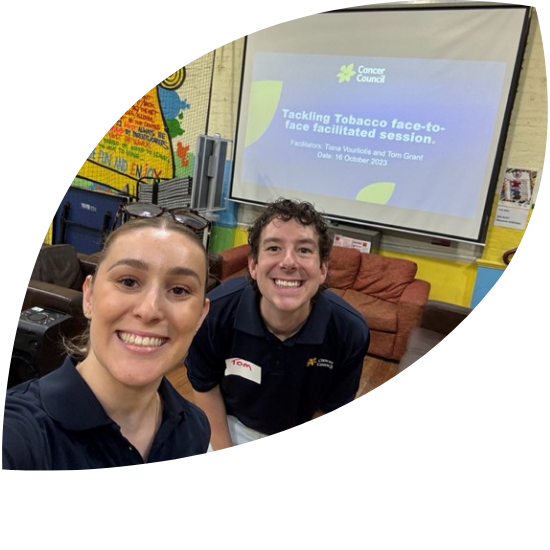
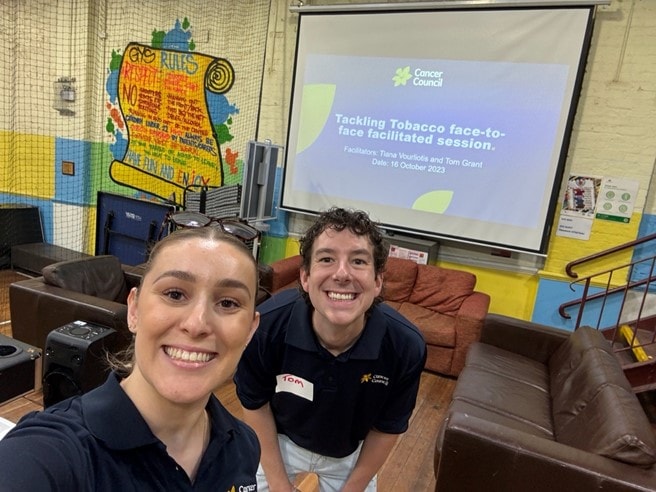
By 2023, community service organisations who took part in the Tackling Tobacco program started requesting that the online training session be delivered face-to-face. Two Tackling Tobacco training sessions were delivered face-to-face in October 2023 to Ted Noffs PALM Program Randwick and Glebe Youth Service. All session attendees completed an evaluation survey to allow for comparison to success metrics to the online training.
The face-to-face training delivery mode scored more favourably in comparison to the online delivery mode. For example, 100% of face-to-face training attendees said they felt more confident in offering smoking cessation brief advice, compared to 88% of online training attendees. Further, 80% of face-to-face training attendees said they would not have gained as much from the Tackling Tobacco training if it were delivered online.
2024
Reinvigorating the Tackling Tobacco Mental Health Action Plan
In January 2023, the Mental Health Branch of NSW Ministry of Health and Cancer Council NSW signed a 5-year Statement of Collaboration to work together on the evaluation and implementation of the Tackling Tobacco in Mental Health Action Plan!
Reinvigorating the Tackling Tobacco Mental Health Action Plan
In January 2023, the Mental Health Branch of NSW Ministry of Health and Cancer Council NSW signed a 5-year Statement of Collaboration to work together on the evaluation and implementation of the Tackling Tobacco in Mental Health Action Plan!
The Mental Health Branch and Cancer Council NSW reconvened the Tackling Tobacco Mental Health Steering Committee that arose out of the Tackling Tobacco Summit. The Steering Committee involves community-managed mental health organisations (CMOs), mental health peak bodies, Local Health District staff, and key government stakeholders.
From June 2023 to June 2024, five Steering Committee meetings were held to explore, review and update the five Strategic Areas of the Tackling Tobacco Mental Health Action Plan since its original inception in 2019. The key goal of this process was to ensure the Action Plan remained relevant and feasible for CMOs to implement across the 5-year period.
The revised version of the Action Plan was submitted to Mental Health Branch in November 2024, which was approved in April 2025. The revised Action Plan has since received endorsement from the broader Tackling Tobacco Mental Health Steering Committee!
2025
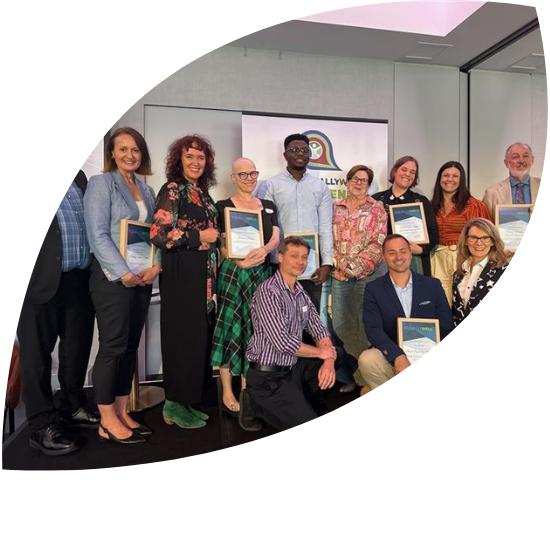
The Tackling Tobacco team won the Equally Well award for Outstanding Partnerships and Collaboration!
At the Equally Well Conference held in Adelaide, the Tackling Tobacco Team was awarded the "Outstanding Partnerships and Collaboration Award", recognising the team's unique and valued contribution to the Equally Well mission of improving health equity for people living with mental illness.
Tackling Tobacco became an award-winning program! Equally Well: Outstanding Partnerships and Collaboration Award
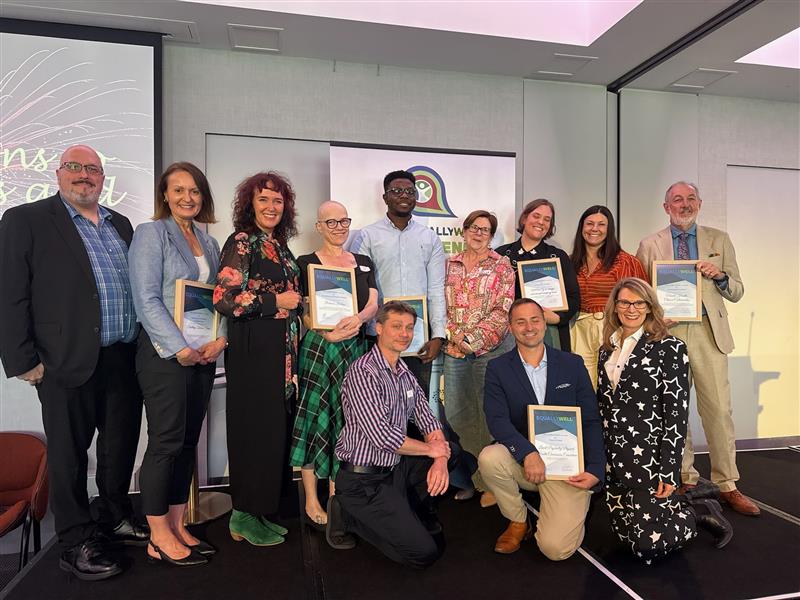
On 21 November 2025, Tackling Tobacco officially became an award-winning program! At the Equally Well Conference held in Adelaide, the Tackling Tobacco Team was awarded the "Outstanding Partnerships and Collaboration Award", recognising the team's unique and valued contribution to the Equally Well mission of improving health equity for people living with mental illness. Prof Billie Bonevski (a key leader in the program, who's name you might recognise from previous milestones!) accepted the award on Cancer Council NSW's behalf.
This award is a testament to Tackling Tobacco's two-decade long legacy of successful and innovative partnerships and collaborations between Cancer Council, NSW Ministry of Health, researchers, community service organisations and consumers to increase the provision of smoking cessation support to priority populations.
Capacity Building Project as part of the Mental Health Action Plan
In March 2025, Cancer Council NSW set to work on the 'Capacity Building' strategic area of the Tackling Tobacco Mental Health Action Plan, with support from the Mental Health Branch, Ministry of Health.
Following an extensive Request For Quotation process throughout April-May 2025, the Tobacco Cessation Team onboarded ThinkPlaceX as the successful agency to undertake the co-design component of the Capacity Building Project. Face-to-face and online co-design workshops were held with CMO staff, consumers and L&D Leads over June to August 2025, reaching 55 participants.
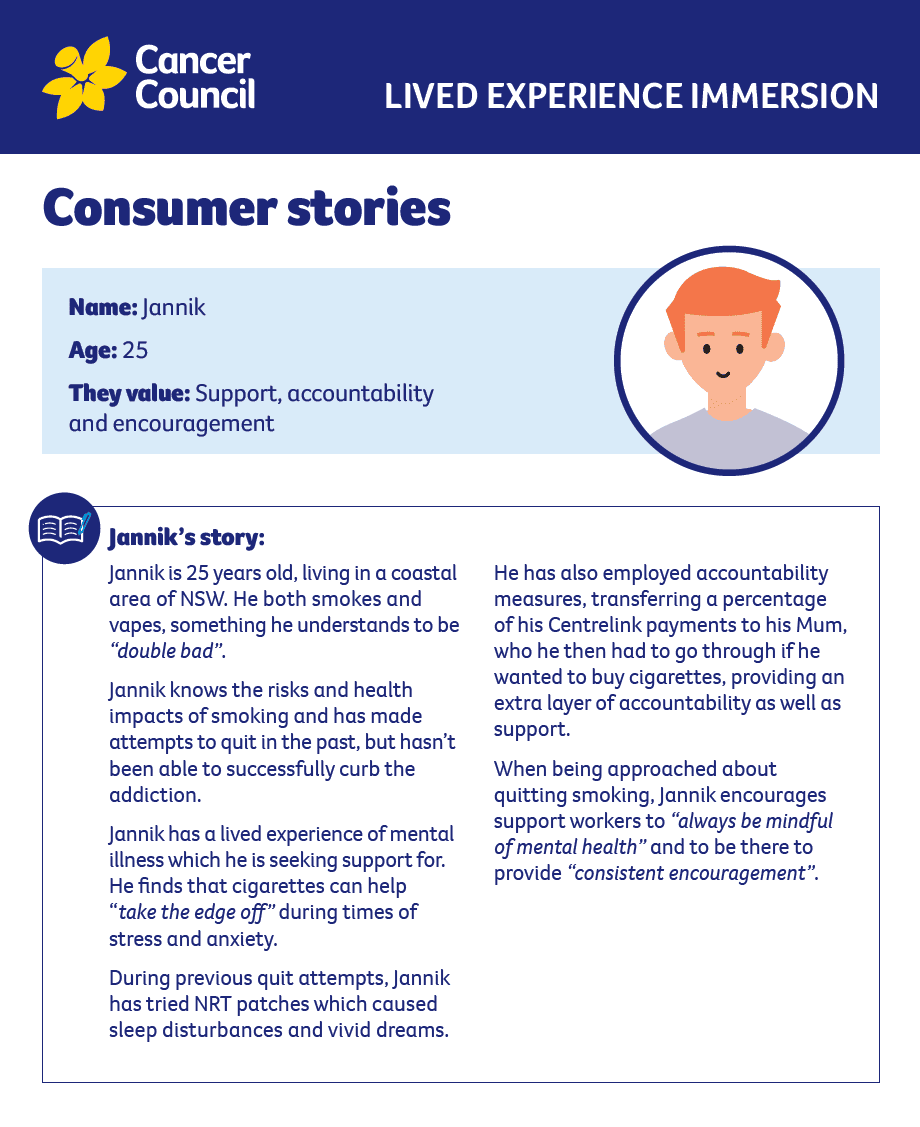
Insights from consumers with lived experience of mental illness and smoking or quitting led to the creation of four concepts of the Learning Offerings:
- Immersive workshop delivered via a train-the-trainer approach
- Conversation guide resource
- Consumer journey map resource
- Consumer stories resource
Work began to transform these learning concepts to fully developed learning offerings from August to December 2025. Stay tuned to hear about how we plan to roll out this train-the-trainer package out to CMOs in 2026!
Outcomes of the Tackling Tobacco in Mental Health research trial published!
In February 2025, a paper on the outcomes of the Tackling Tobacco Mental Health Randomised Control Trial was published in the journal Addiction! The trial aimed to test the effectiveness of an organisational change intervention (i.e., Tackling Tobacco) aimed at increasing the offer of nicotine replacement therapy (NRT) in community managed mental health organisations (CMOs). This trial showed that Tackling Tobacco led to an increase in the offer of NRT by staff and greater NRT use by consumers.
"The success of the Tackling Tobacco program shows that with the right resources and support, [CMOs] are in a great position to help people quit smoking. Their long-term, trusted relationships with clients allow them to address smoking alongside other needs and connect clients with clinical support when needed."Dr Laura Twyman, Program Lead Tobacco Cessation, Cancer Council NSW
Get Involved
There will be opportunities for our broader Tackling Tobacco community to celebrate this milestone!
See below for how you can get involved and stay tuned for upcoming event announcements.
- Chat to a member of the Tackling Tobacco team at these upcoming events!
- Visit our booth at the The MHS Conference in Sydney 5-7 August 2026
- Find us at Oceania Tobacco Control Conference in Adelaide 10-12 March 2027
- Send us an enquiry about our smoking and vaping cessation training
- Download and share Tackling Tobacco resources at your organisation
- Contact us on [email protected] or (02) 9334 1911
Our partners and supporters
Tackling Tobacco has long been powered by the strength of our partnerships. From government agencies, leading research institutions, to peak bodies, community service organisations and the clients they support, each has played a vital role in shaping this program and amplifying its impact across NSW. We thank every organisation and collaborator who has walked alongside us on this journey. It takes many hands to take on cancer, and Tackling Tobacco’s success is yours too.

Aboriginal Health and Medical Research Council of NSW
Network of Alcohol and Other Drugs Agencies
NSW Council of Social Services
Mental Health Coordinating Council
NSW Government in association with NSW Health and Cancer Institute NSW
Together, we’re changing systems – and changing futures.
Real voices. Real experiences. Real impact.
As we reflect back on the last 20 years, we are reminded of the strength, resilience and dedication within our Tackling Tobacco community. From people who have taken courageous steps to quit smoking, to staff who have upskilled through our training, to the community service organisations who have embedded the program into their everyday practice. These voices and experiences sit at the heart of Tackling Tobacco, and we’re proud to share them.