

What are nicotine pouches?

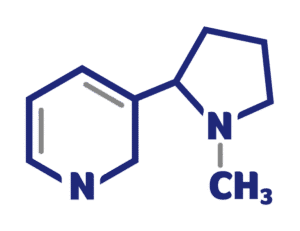 Nicotine pouches (sometimes referred to as “Zyns”) are small bags containing synthetic or extracted nicotine and other ingredients such as sweeteners and flavours. They are designed to be placed between the lip and gum, where nicotine is absorbed through the lining of the mouth into the bloodstream.
Nicotine pouches are available in a range of strengths, with some products containing up to 20 mg of nicotine per pouch1. They are often promoted as smoke‑free and vapour‑free alternatives to smoking and vaping and they are discreet and easy to conceal.
Marketing of nicotine pouches commonly emphasises that they are discreet and easy to conceal. Products are widely sold in a variety of colourful packaging and artificial flavours, including mint, fruit, coffee and dessert flavours. These flavours and promotional tactics can be particularly appealing to young people, increasing the risk of nicotine uptake and addiction.
In Australia, it is illegal to buy or sell nicotine pouches or other forms of non-therapeutic oral nicotine.
Are they harmful?
Yes, nicotine pouches contain high amounts of nicotine which is highly addictive, especially for children and teenagers, impacting the developing brain, learning, memory and attention2. Nicotine also has cardiovascular effects and may increase the risk of heart attack and stroke3.
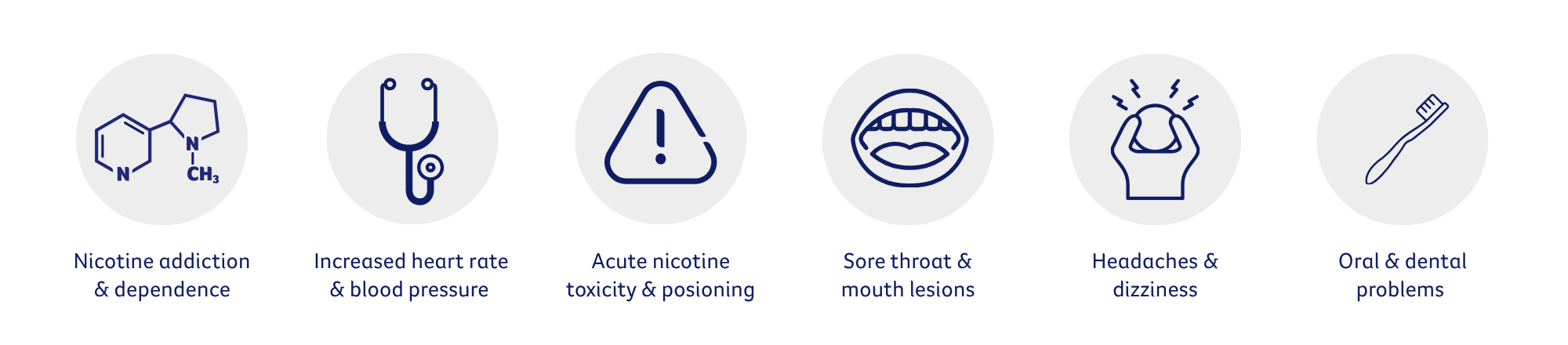
The long-term impacts of nicotine pouches are still being studied. However, some reported short term adverse effects of using nicotine pouches include4:
Generation Vape research found that many young people who used nicotine pouches experienced sickness, burning of the gums or an unenjoyable taste in their mouth5.
“My mate gave ‘em to me, and I put two in at the same time, and like it was the worst feeling ever, I just I don’t know, my gums were hurting and then I felt so sick in my stomach.”
17-year-old participant in Generation Vape study
Nicotine is particularly harmful to children and infants, even small amounts can cause poisoning if swallowed. If you think someone has been poisoned by nicotine, including through the use of nicotine pouches, urgently call the NSW Poisons Information Centre on 13 11 26 or call 000 if it is an emergency.
Why are we concerned?
Generation Vape data shows that 1 in 5 young adults who currently smoke have used nicotine pouches. Their growing use among young people raises concerns about early nicotine exposure, dependence, and progression to ongoing nicotine use, including dual use with cigarettes or vapes.
“Well recently they’ve kind of gone big, like, even people that don’t vape have gone “oh yeah try out these Zyn [PMI’s nicotine pouch brand]”. Everyone’s making like a massive deal about em.”
17-year-old participant in Generation Vape study
The increasing interest in nicotine pouches, particularly among young people, risks undoing progress made in tobacco control.
Products are widely sold in a variety of colourful packaging and artificial flavours, including mint, fruit, coffee and dessert flavours. These flavours and promotional tactics can be particularly appealing to young people, increasing the risk of nicotine uptake and addiction. These approaches reflect strategies previously used to promote vaping and other nicotine products to young people, increasing the risk of nicotine initiation and dependence in a new generation.
To date, no nicotine pouches have been approved by the Therapeutic Goods Administration (TGA), and they have not been evaluated for quality, safety or efficacy for smoking or vaping cessation in Australia. This means the amount of nicotine may be higher than stated, products may contain unknown substances or may not include child‑resistant packaging or clear health warnings. These issues increase the risk of accidental nicotine poisoning, particularly for children.
There is also little evidence that they are effective in helping people quit smoking or vaping or in managing nicotine dependence6.
Why are young people using these products?
Generation Vape research shows that young people are using nicotine pouches for a variety of reasons including for sporting performance enhancement, as an alternate to vaping and as a party drug. Like vaping, it’s not surprising these products appeal to young people when they are discreet, flavoured, highly addictive and being marketed through social media influencers5.
“…people have started using those on nights out, because they’ve been able to get them in Australia somehow, and I’ve seen that at festivals… You pretty much like stick ‘em up in your gum. And then, you’re set for the night apparently.”
21-year-old participant in Generation Vape study

Are they legal in Australia?
In Australia, it is illegal to buy, sell or import nicotine pouches or other forms of non-therapeutic oral nicotine. For more information on the laws in Australia, visit the TGA website.
If you suspect that a retailer is illegally selling nicotine pouches, you can report this to NSW Health online or by calling the Tobacco Information Line on 1800 357 412. For those outside of NSW, please contact your local State or Territory Health Department for reporting channels.
Resources
Where to get support to quit or manage nicotine dependence:
Speak to your GP, Aboriginal or youth health service, or other health services to help quit nicotine dependence.
- Mallock N, Schulz T, Malke S, Dreiack N, Laux P, et al. Levels of nicotine and tobacco-specific nitrosamines in oral nicotine pouches. Tobacco Control, 2024; 33(2):193-9.
- National Center for Chronic Disease Prevention and Health Promotion (US) Office on Smoking and Health. E-Cigarette Use Among Youth and Young Adults: A Report of the Surgeon General [Internet]. Atlanta (GA): Centers for Disease Control and Prevention (US); 2016. (Publications and Reports of the Surgeon General).
- Dorotheo EU, Arora M, Banerjee A, Bianco E, Cheah NP, Dalmau R, et al. Nicotine and Cardiovascular Health: When Poison is Addictive – a WHF Policy Brief. Glob Heart. 19(1):14. doi:10.5334/gh.1292
- Dowd A, Thrul J, Czaplicki L, Kennedy R, Moran M, Sprindle T. A cross‑sectional survey on oral nicotine pouches: characterizing use, motives, topography, dependence levels, and adverse events. Nicotine Tob Res. 2024;26(2).
- Watts C, McGill B, Rose S, Yazidjoglou A, Chapman L, Dessaix A, Freeman B. ‘It’ll save your lungs’: early insights into nicotine pouch use and perceptions among young Australians. Health Promot Int. 2024;39(6).
- Australian Government Department of Health and Aged Care. Nicotine pouches. Canberra: Australian Government; 2024 Jun.
Generation Vape Research Project
Vaping addicts a new generation of young people to nicotine and increases the risk of smoking uptake – the biggest preventable cause of cancer. Generation Vape is Australia’s first and largest research collaboration, tracking and exploring vaping among young people.
Latest News