
Anything Goes…
 By
Cancer Council NSW
By
Cancer Council NSW
Cancer can be an overwhelming experience, bringing about significant emotional and physical effects. The effects of a cancer diagnosis and treatment can be upsetting and affect your self-esteem. Self-esteem may be impacted in various ways. Losing confidence and not feeling like yourself throughout the different stages of cancer is common and normal.
However, with time and the right support, the way you perceive yourself can improve and there is the possibility to become stronger.
Adjusting to changes in physical appearance
Receiving treatment for cancer can change how you think and feel about yourself. While not all cancer treatments change your outward appearance, it is common to feel self-conscious and even angry and upset by the changes.
Some of the changes include:
- removal of a body part and use of a prosthesis
- visible scars and skin tightness
- rashes
- hair loss or hair growing back differently
- trouble speaking
- problems with eating or drinking
- weight loss or gain
The changes to your body can affect your confidence by worrying what your partner (or someone you like) might think, or how you see yourself.
For Amy, who was diagnosed with stage 3 bowel cancer, shaving her head during treatment was an emotional moment.
“I sobbed when my husband shaved off my hair. I was quite attached. I felt a little ashamed of my bald head. I hated it,” she recalls.
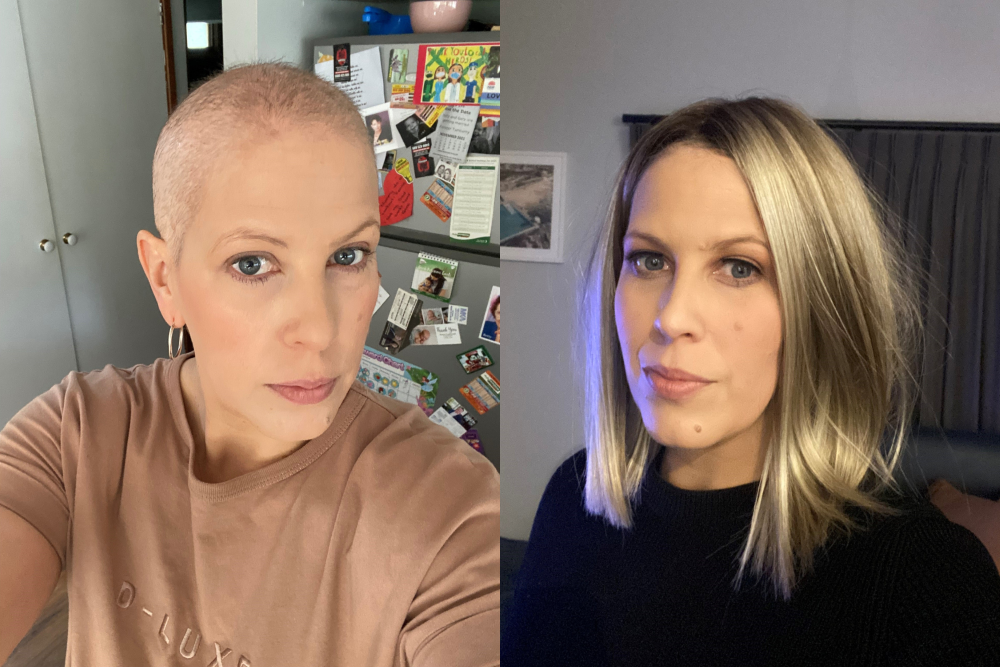
Amy felt that a part of her identity was taken and did not want to appear like a sick person.
“My long hair was part of my persona, my style, and getting it taken away took it out of me,” she says.
It is okay to take time to adjust to the changes and accept your new self.
Turning looks from others into opportunities to share
Often cancer survivors find that telling people around them about their cancer diagnosis leads to them looking at them differently. This could be because of the emotional shock of learning of their diagnosis or because of changes that have altered their appearance.
Everyone has a different reaction to cancer and people often worry what the right thing to do or say is.
Chris, who was diagnosed with a rare cancer of the nasal and sinus region at 25 years old, experienced such looks.
“Because of where the cancer was located, having people look at me differently lowered my self-esteem a lot. It was really difficult to interact with people normally,” he shared.

However, Chris turned the looks into an opportunity to share his experiences and has found strength in using his cancer experience to help or educate others. Through his studies and various volunteer roles, he helps those who have gone through similar experiences, and raise awareness about cancer prevention and support services.
“I do public speaking now, so I’ve learned to deal with the certain looks and turn it into a positive. It gives me an opportunity to share,” Chris says.
Finding your voice
Having cancer can bring about lots of emotions. It’s natural to feel anxious, vulnerable, scared or angry. Receiving treatment for cancer and being unable to return to your normal daily life for the time being can cause feelings of helplessness.
Lily was diagnosed with adenoid cystic carcinoma in March 2015 and had her left vocal chord removed as part of her cancer treatment. Her treatment left her without confidence.
“When I first came out of surgery, I did not have a voice at all,” she said.
Being in intensive care for two months and unable to speak, eat or drink, she reassessed her life.
“I realised that there’s more I needed to do with my life. I made a promise to myself that, if I got out of hospital alive and with my voice back, I was going to make sure that I start using it to help and empower others”.
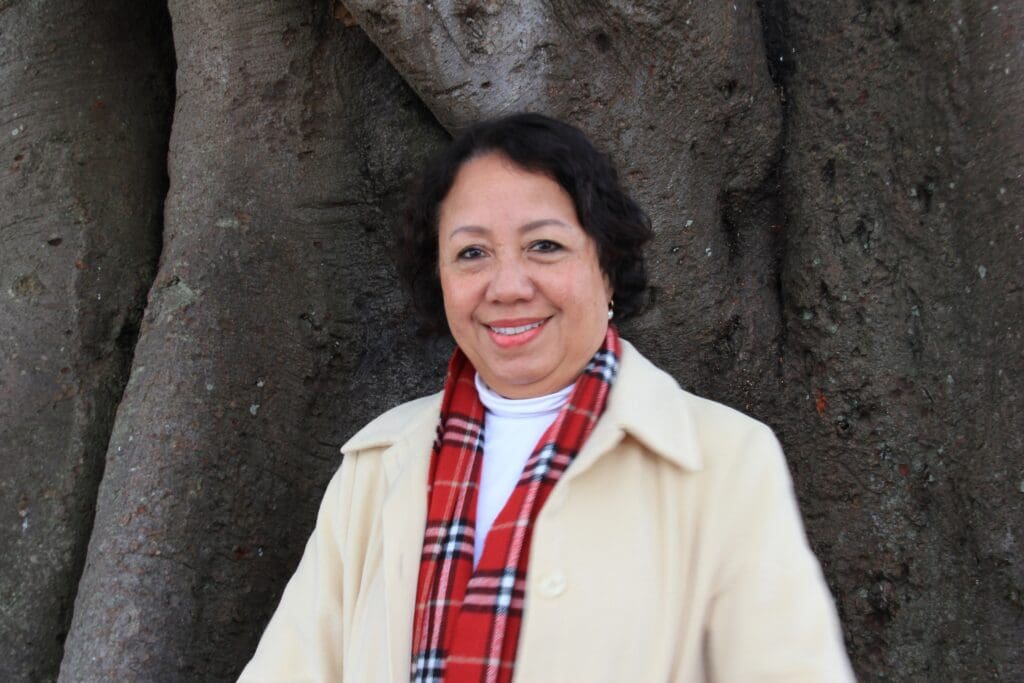
Now, Lily has trained as a Positive Workplace Culture Consultant, holds her own workshops and is a Community Ambassador for Cancer Council. By using her voice, she helps those with cancer aware of the support on offer and make their experience less lonely.
“I learnt to speak up a lot more. I learnt to speak in front of people. Prior to that, there was no way.”
If you or someone you love needs support, please get in touch with Cancer Council NSW team on 13 11 20.