
This section explores safety concerns related to using complementary therapies for cancer.
Learn more about:
- Are complementary therapies safe?
- Warning signs to look out for
- Safety of herbs
- Regulation of medicines
- Regulation of complementary therapists
- What can I do if something goes wrong?
Are complementary therapies safe?
Some complementary therapies have been found to be generally safe to use together with conventional cancer treatments and medicines. However, other complementary therapies can affect how conventional cancer treatments and medicines work and, in some cases, may even make treatment less effective.
Keep in mind that many therapies have the potential to cause injury or harm. So talk to your doctor, pharmacist and therapist before trying anything new. They can explain what is safe for you and what precautions to take. Some common safety issues include:
Mind–body practices
Sometimes people feel overwhelmed by the emotions they experience during or after a session. This usually settles soon afterwards. If you continue to feel this way, contact your therapist.
Body-based practices
See a cancer specialist therapist who follows the guidelines for safe use of these therapies. If you have cancer in the bones, or bruise or bleed easily, take care with body-based practices such as acupuncture and massage.
Herb and plant-based therapies
You may think all natural products are safe, but this isn’t always true. Some herbs can interact with conventional cancer treatment or medicines and change how they work or how the dose is absorbed.
Tell your doctor, pharmacist and therapist about any herbs, vitamins and other supplements you take or want to use. Ask that they check for any possible interactions on a medical database. Learn more about the safety of herbal medicine.
→ READ MORE: Regulation of medicines
Meditation and Relaxation Podcast
Listen to more of our meditation and relaxation podcast for people affected by cancer
Key resource
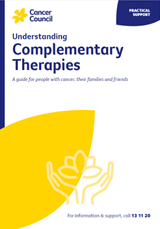
Download a PDF booklet on this topic.
More resources

A/Prof Geraldine McDonald, Director Patient Experience and Wellbeing, Peter MacCallum Cancer Centre, VIC; Laura Carman, 13 11 20 Consultant, Cancer Council Victoria; A/Prof Christine Carrington, Senior Consultant Pharmacist Cancer Services, Princess Alexandra Hospital and Metro South Health and The University of Queensland, QLD; Kellie Giannarelli, Consumer; Dr Suzanne Grant, Senior Research Fellow, Integrative Oncology, NICM Health Research Institute, Chris O’Brien Lifehouse, NSW; Vivienne Hansen, Bush and Western Herbal Medicine Practitioner, WA; Karla Jaji, Administration Officer, Nepean Cancer and Wellness Centre, NSW; Dr Laura Kirsten, Senior Clinical Psychologist, Nepean Cancer Services, Nepean Blue Mountains Local Health District, NSW; A/Prof Judith Lacey, Director of Supportive Care and Integrative Oncology, Chris O’Brien Lifehouse, NSW; Adjunct Professor Danforn Lim, Western Sydney University and University of Technology Sydney, NSW; Dr David Mizrahi, Senior Research Fellow and Accredited Exercise Physiologist, The Daffodil Centre, University of Sydney and Cancer Council NSW; Professor Avni Sali AM, Founder and Director, National Institute of Integrative Medicine, VIC; Gillian Thompson, Consumer; A/Prof Kate Webber, Medical Oncologist, Monash Health, VIC; Tanya Wells, Integrative Oncology Consultant and Naturopath, Melbourne Integrative Oncology Group, VIC; Prof Kate White, Professor Cancer Nursing, Cancer Care Research Unit, The Daffodil Centre, University of Sydney and Cancer Council NSW.
View the Cancer Council NSW editorial policy.