

Research Type: Extramural

This project will investigate how to hijack the stress-response techniques melanoma cells have developed to promote their survival.

The outcomes of this new study will be the identification of key players involved in the function of a protein called MCC and how they could be targeted in cancer treatment.
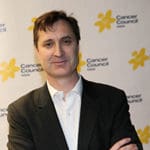
Genetically modified immune cells can be used to cure cases of leukaemia that are otherwise incurable. This project will optimise the technology to create cures for other types of cancer.

A synthetic retinoid (a compound derived from vitamin A) has been found to acts powerfully against Diffuse intrinsic pontine gliomas (DIPG) cells.

This study will compare current standard PCV treatment to oral temozolomide chemotherapy combined with with radiation, for effectiveness with fewer side effects.

This multinational randomised trial is the first randomised study of aspirin for cancer survival and could result in a change of practice across the world.

Professor Bettina Meiser is leading a world-first study on the impacts of testing women for common, low-risk genetic variants that can lead to breast cancer.
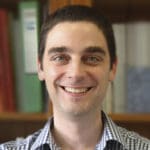
A research team led by Associate Professor Scott Byrne has discovered a vital mechanism that shows how cells in the immune system are hijacked by UV exposure.

This research aims to improve the health and wellbeing of the estimated one million people living with and beyond cancer, as cancer survival rates continue to increase.

Two research teams are making inroads into multiple myeloma treatment with the potential for both managing the symptoms of the disease and in halting tumour progress.