
Sally Crossing AM Award for Translating Protein Science into Clinical Care by Prof Roger Reddel
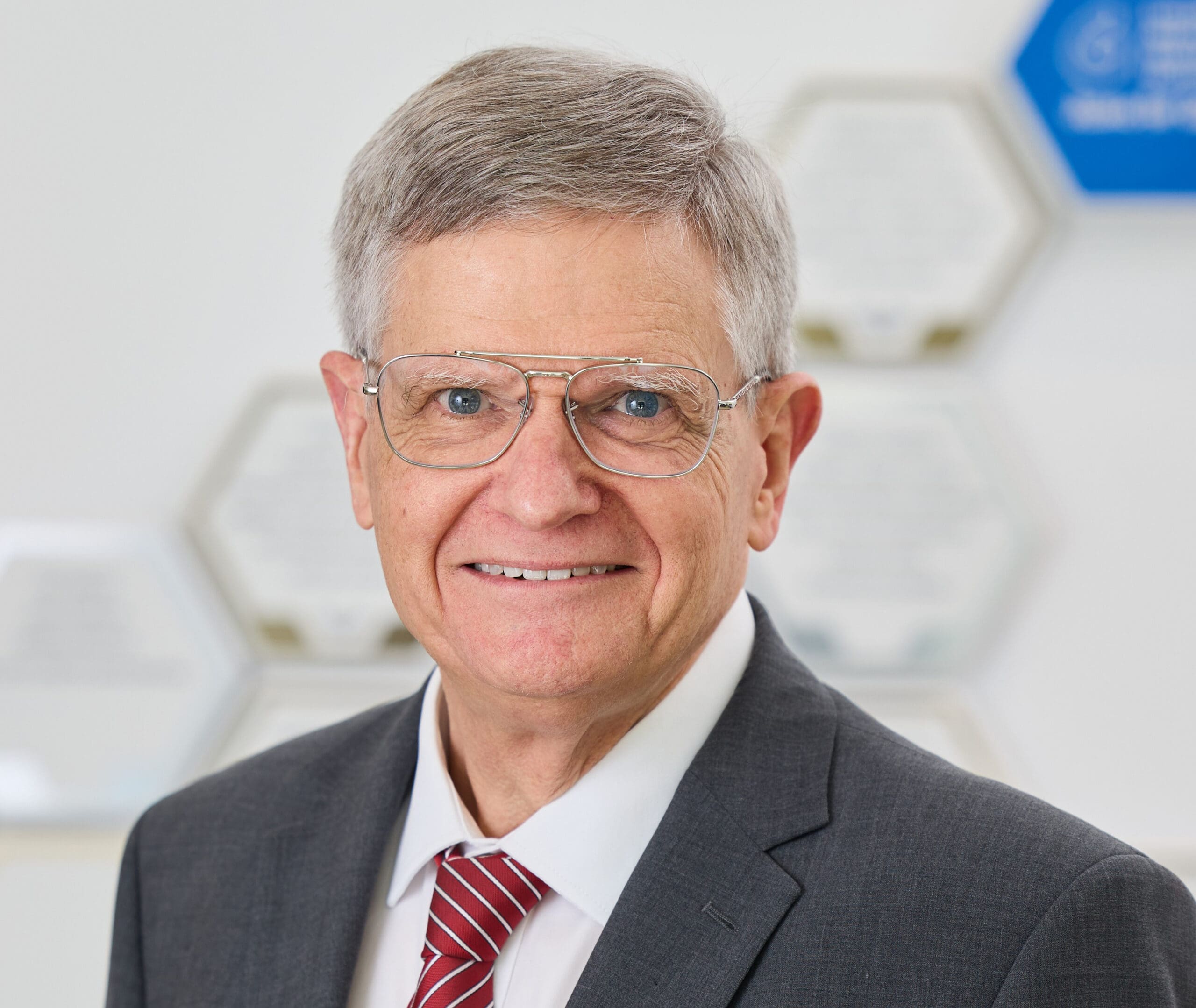
Cancer Council NSW is pleased to announce The Sally Crossing AM Award for outstanding outcomes in cancer research has been awarded to Professor Roger Reddel at Children’s Medical Research Institute for translating protein science into clinical care.
Professor Reddel and the team will analyse the proteins in a person’s cancer to help doctors choose the most effective treatment for each patient. These protein tests can be used as part of routine medical care, alongside genetic testing, to support better and more personalised cancer treatment decisions.
The Sally Crossing AM Award funding will help the laboratory to achieve clinical accreditation, allowing proteomic data to be used directly in patient care. This will mark a major milestone, positioning proteomics alongside genomics as a routine part of precision cancer treatment.
About the Project
It is estimated that over 1.6 million Australians are currently living with or beyond a cancer diagnosis and this number is expected to rise by 2040 to 1.9 million. That is 1.9 million people that need tailored ongoing treatment and care.
Cancer treatment is becoming increasingly personalised, but until recently, doctors have relied mostly on genetic information to guide their decisions. However, genes alone don’t tell the full story. Proteins, which are the products of genes, drive how cancers grow, spread, and respond to treatment. Most cancer drugs target proteins, not genes. Recognising this gap, Professor Roger Reddel and the team at Children’s Medical Research Institute set out to bring proteomics, the study of proteins, into everyday cancer care.
ProCan® is a pioneering research program that has developed technology to rapidly analyse proteins in cancer tissue samples. This technology can generate detailed proteomic data from tiny sections of routine cancer samples in about 80 minutes.
Previous Cancer Council NSW funding through a major infrastructure grant provided support of the development of advanced computational tools and secure data access for the program. This funding enabled the team to process and interpret proteomic data at an unprecedented scale, benefiting researchers worldwide. Clinicians can now receive proteomic reports (currently for research use only) within 3 – 5 days, a huge improvement from previous methods.
A dedicated panel of people with lived experience, including cancer survivors and advocates, has been involved since 2018. They help shape the project, advise on privacy and communication, and support advocacy and fundraising. Their input ensures the research stays relevant and accessible to patients and the wider community.
Achievements and Impact
- World’s Largest Cancer Proteomic Database: The team has created the largest single-platform database of cancer tissue proteomic data, with over 36,000 proteomes from both adult and childhood cancers. The project involves over 100 collaborative agreements and partnerships with researchers in Australia and 13 other countries, making the data available progressively to the international research community.
- Artificial Intelligence for Better Outcomes: By combining proteomic data with clinical outcomes and using AI, the team has discovered predictors for treatment response and survival across many cancer types. This will help doctors choose the best treatment for each patient.
- Supporting New Cancer Drugs: The team has developed a targeted panel to identify which patients’ tumours express proteins that are targets for antibody-drug conjugates (ADCs) – a promising new class of cancer drugs. This will assist clinician to select the most appropriate ADC for individual patients.