

Recovery after oesophageal surgery is similar to stomach surgery but there are some differences. For more information, see Managing side effects.
For more on this, see our general section on Surgery.
 |
Recovery timeYou will probably be in hospital for 7–10 days, but you may stay longer if you have any complications. It is likely to take 6–12 months to feel completely better after an oesophagectomy. |
 |
Eating and drinkingYou will not be able to eat or drink immediately after surgery. A feeding tube is often inserted at the time of the surgery. Your first foods will usually be fluids such as soup. You will then move on to pureed foods, then soft foods, and eventually solid foods. It is best to eat 5–6 small meals throughout the day, as you may feel full quickly. |
 |
Breathing problemsControlling pain will help avoid problems with breathing that can lead to pneumonia. A physiotherapist can teach you exercises to help keep your lungs clear. You may also be shown how to use an incentive spirometer, a device to help your lungs expand and prevent a chest infection. |
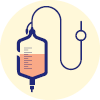 |
Drips and drainsYou will have drains in the chest after surgery and maybe other drains in the abdomen or neck. These will be removed before you go home. You may also have a feeding tube to get the nutrition you need, and another tube (nasogastric or NG tube) to drain fluids from the stomach. The NG tube will be removed before you leave hospital, but a feeding tube may stay in place when you leave the hospital. |
Prof David Watson, Matthew Flinders Distinguished Professor of Surgery, Flinders University, and Senior Consultant Surgeon, Oesophago-Gastric Surgery Unit, Flinders Medical Centre, SA; Prof Bryan Burmeister, Senior Radiation Oncologist, GenesisCare Fraser Coast and Hervey Bay Hospital, QLD; Dr Natalie Collier, Radiation Oncologist, Wollongong Hospital, NSW; A/Prof Melissa Eastgate, A/Executive Director, Cancer Care Services, Royal Brisbane and Women’s Hospital, QLD; Natalie Lalor, 13 11 20 Consultant, Cancer Council Victoria; Chris Menzies, Upper GI Cancer Nurse Consultant, Flinders Medical Centre and Southern Adelaide Local Health Network, SA; Tammy Milne, Consumer; Stefanie Simnadis, Clinical Dietitian, St John of God Subiaco Hospital, WA; Prof Rajvinder Singh, Professor of Medicine, University of Adelaide, and Director, Gastroenterology Department and Head of Endoscopy, Lyell McEwin Hospital, SA.
View the Cancer Council NSW editorial policy.