
All in for reconciliation
 By
Cancer Council NSW
By
Cancer Council NSW
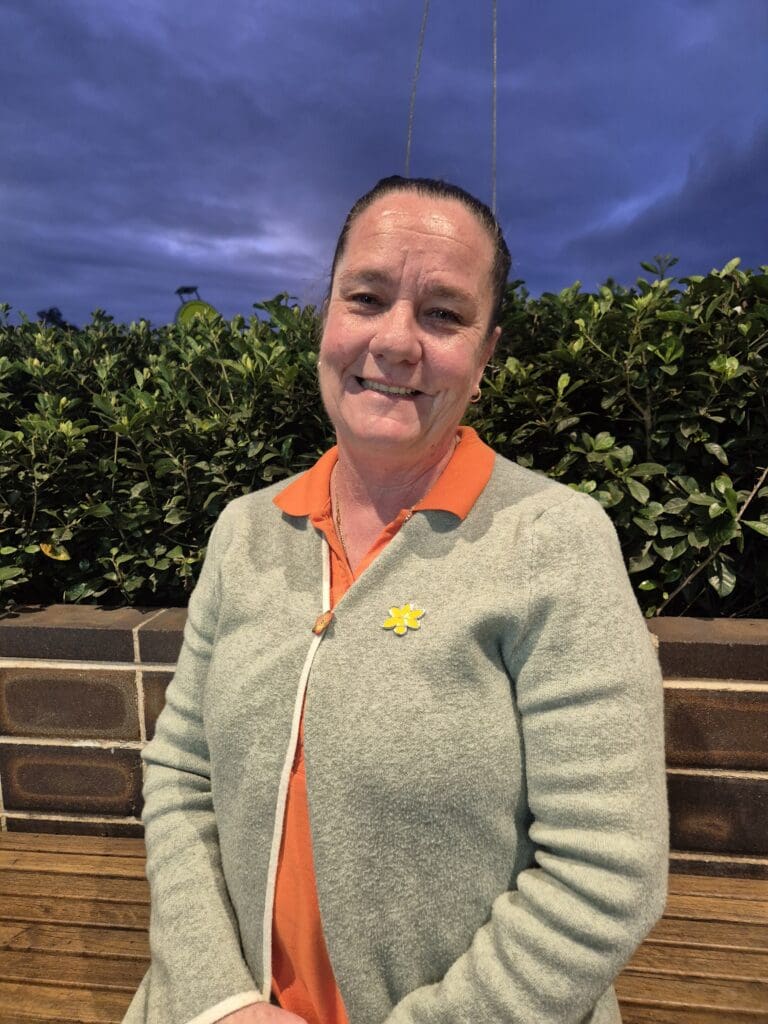
During National Reconciliation Week (27 May to 3 June), Australians are invited to reflect on our shared history and take meaningful steps towards reconciliation. For Cancer Council NSW Community Ambassador Monica, reconciliation isn’t just a concept marked on the calendar; it’s something that must be lived every day.
This year’s theme, All In, calls for everyone to commit to reconciliation in their daily actions. Monica believes that begins with something simple, yet powerful: recognising truth.
“It starts with recognising who we are”
“Every person in Australia – whether they were born here or arrived yesterday – should recognise Aboriginal and Torres Strait Islander people, our history, and everything we’ve lived through,” Monica says.
“We’re not just another cultural group in the mix; we’re the First Peoples of this continent, and we’ve been the custodians of this Land for tens of thousands of years.”
CCNSW acknowledges that reconciliation is the responsibility of all Australians. Our Reconciliation Action Plan outlines how we are working to positively influence our external stakeholders to drive reconciliation outcomes. Not only are we taking steps towards reconciliation but encouraging others to do so.
In our efforts to improve equity in cancer outcomes, CCNSW has worked to develop resources for all, including a dedicated Aboriginal and Torres Strait Islander Portal, and support and information resources that cater to all including the Easy Read resources library.
“It’s amazing to see resources being created for First Nations people,” Monica says. “But we have to remember not everyone in our communities has had the same access to education.”
“That’s why plain, clear language matters so much. Breaking things down, avoiding jargon – it helps people actually understand, instead of feeling shut out.”
Reconciliation in health: listening, representation and trust
National Reconciliation Week is also an opportunity to reflect on what equitable healthcare looks like and why it matters.
Spreading awareness about cancer among Aboriginal and Torres Strait Islander peoples is part of a larger picture: ensuring communities feel seen, heard and respected in systems that haven’t always served them well.
Cancer Council NSW’s Brad Gellert, Manager, Policy & Advocacy Unit, and Chair of RAP Committee says:
“Cancer Council NSW’s is committed to delivering culturally safe and responsive services. Our process is grounded in listening, taking time, and genuinely engaging with Aboriginal and Torres Strait Islander peoples and communities impacted by cancer as we work towards reconciliation. This engagement takes many forms, through community events, workshops, and forums such as recent attendance at the World Indigenous Cancer Conference (W.I.C.C. 2026) in Aotearoa, New Zealand.
As we look to external examples of communities working towards reconciliation like New Zealand, we are also reflecting internally and working towards placing realistic timeframes on project to allow for true co-design and engagement ensuring that Aboriginal voices inform our work. As a non-indigenous organisation we recognise we don’t have all the knowledge and history and without collaboration of those with lived experiences like Monica, we cannot know how to best support Aboriginal and Torres Strait Islanders.
We all have a part to play. As Chair of CCNSW’s RAP committee, I’m proud to see us genuinely working towards our goal of improving equity in cancer outcomes by working with the communities most impacted by cancer.”
Monica points to the value of having more Aboriginal and Torres Strait Islander voices involved in creating resources, as well as the importance of storytelling.
“It’s important for our Mob to know they’re being represented, especially in health,” she explains.
“The videos and stories in the Cancer Council Aboriginal portal really help. Hearing from our own Mob – it makes the information real and relatable.”
Reconciliation will not happen by itself, and it will not happen without all of us. Just as, tackling cancer takes all of us.