
The side effects of chemotherapy vary depending on the drugs given. Everyone reacts to chemotherapy differently. You may have other side effects not mentioned here.
Learn more about chemotherapy and ways to manage side effects, or call Cancer Council 13 11 20.
Common side effects of chemotherapy
 | FatigueSevere tiredness and lack of energy (fatigue) may make you feel drowsy, exhausted or confused. These symptoms can last for several weeks or months after chemotherapy. Check with your doctor whether your fatigue is related to a low red blood cell count (anaemia). Anaemia may be treated with blood transfusions. If you are up to it, keeping active and exercising can help you feel less fatigued.Learn more about fatigue and cancer and listen to our podcast on Managing Cancer Fatigue. |
 | Increased risk of infectionsChemotherapy reduces your white blood cell level (neutropenia and lymphopenia), making it harder for your body to fight infections.Learn ways of reducing your risk of infection. |
 | ConstipationSome chemotherapy drugs and anti-nausea medicines can cause constipation. Ways to prevent constipation include drinking 6–8 glasses of water a day, eating a high-fibre diet and getting daily exercise. Your treatment team may also suggest or prescribe a suitable laxative or stool softener. |
 | Nerve and muscle effectsSome chemotherapy drugs can cause nerve damage (peripheral neuropathy). Symptoms can include tingling, pain or loss of feeling in your fingers and/ or toes, and muscle weakness in your legs. These side effects usually disappear after treatment ends, though they can last a long time or even be permanent.Learn more about peripheral neuropathy and cancer. |
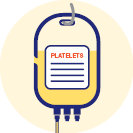 | Bleeding or bruisingA drop in the number of platelets in your blood (thrombocytopenia) can cause heavy bleeding from small cuts or make you bruise easily. You may be given a platelet transfusion to increase your platelet count. |
 | Hair lossYou may lose some hair from your head, eyebrows and eyelashes. Your hair will grow back after treatment. You can wear a scarf, a hat or a wig. You may be able to borrow a wig from a wig library. If you have private health insurance, your fund may cover part of the cost of a wig.Learn more about hair loss. |
 | Nausea and vomitingYou will usually be given anti-nausea medicines before having chemotherapy to stop you feeling sick or vomiting. These usually work very well. If you still feel sick or keep vomiting after using the prescribed medicine, let your nurse or doctor know so that another medicine can be tried.Learn more about nutrition and cancer and listen to our podcast on Appetite Loss and Nausea. |
 | Mouth soresChemotherapy can damage the cells in the mouth, causing mouth sores. These usually get better after treatment ends. Keeping your mouth clean will help prevent infections. Use a soft toothbrush after each meal to keep your mouth clean. If using a mouthwash, pick alcohol-free products.Learn more about mouth health and cancer treatment. |
→ READ MORE: Taking care with infections
Podcast: Managing Cancer Fatigue
Listen to more of our podcast for people affected by cancer
Podcast: Brain Fog and Cancer
Listen to more episodes from our podcast for people affected by cancer
More resources

Dr Ian Bilmon, Haematologist, Westmead Hospital and Sydney Adventist Hospital, NSW; Suzanne Basha, Consumer; Jo Cryer, Clinical Nurse Consultant Haematology, St George Hospital, NSW; Jessica Elliott, Senior Social Worker, Youth Cancer Services, Crown Princess Mary Centre Westmead, NSW; Dr Robin Gasiorowski, Haematologist, Concord and Macquarie University Hospitals, NSW; Prof Angela Hong, Radiation Oncologist, Chris O’Brien Lifehouse, Melanoma Institute Australia, GenesisCare, and Clinical Professor, The University of Sydney, NSW; Karen Maddock, CAR T Cell and Cell Therapy Nurse Practitioner, Westmead Hospital, NSW; Jenn Partenfelder, 13 11 20 Consultant, Cancer Council NSW; Elise Toyer, Clinical Nurse Consultant Haematology, Blacktown Hospital, NSW.
View the Cancer Council NSW editorial policy.