
Cancer Council NSW logo
13 11 20 Information & Support
Select or press enter to search
Donate now
Menu
  • About Us
  • News
  • Shop
  • Health professionals
  • flags
  • About Cancer
    Find information about cancer types, coping with a diagnosis, treatments, side effects, living well after diagnosis & treatment, caring for loved ones, resources for your community and more.
    • What is cancer?
    • Types of cancer
      • Bowel cancer
      • Blood cancers
      • Breast cancer
      • Lung cancer
      • Melanoma
      • Prostate cancer
      • View 45 other cancers
    • Coping with a diagnosis
      • Coping with emotions
      • Tests and scans
      • Talking to kids about cancer
      • Cancer and your finances
      • Cancer and work
      • Cancer care and your rights
      • How to ask for help
    • Cancer treatment
      • Treatment options
      • Chemotherapy
      • Radiation therapy
      • Surgery
      • Immunotherapy
      • Targeted therapy
      • Hormone therapy
      • Clinical trials
      • Palliative treatment
    • Managing side effects
      • Fatigue
      • Taste and smell changes
      • Heart health and cancer
      • Hair loss
      • Pain and cancer
      • Peripheral neuropathy
      • Changes in thinking and memory
      • Lymphoedema
      • Mouth health
      • Nutrition and cancer
      • Breast prostheses and reconstruction
      • Fertility
      • Sex, intimacy and cancer
    • Supporting someone with cancer
      • Caring for someone with cancer
      • Caring for someone with advanced cancer
      • Family and friends
      • Supportive schools
      • Supportive workplaces
      • Caring for mob with cancer
    • Living well during and after treatment
      • Nutrition and cancer
      • Exercise and cancer
      • Complementary therapies
      • Living well after treatment
    • Advanced cancer
      • Living with advanced cancer
      • Caring for someone with advanced cancer
      • Palliative care
      • Facing end of life
      • Coping with grief
    • Information for your community
      • Aboriginal & Torres Strait Islander peoples
      • Resources in different languages
      • Easy Read resources
      • Resources for LGBTQI+ people
    • Fact sheets, podcasts and more
      • Cancer resource hub – fact sheets, booklets and more
      • Cancer Council Podcasts
      • Order printed resources
  • Get Support
    Our cancer helpline consultants are ready for your call to support all people impacted by cancer. We may be able to assist with direct support services or by putting you in touch with other people who can support you.
    • 13 11 20 – Speak to a cancer professional
    • How can we help you
      • Accommodation during treatment
      • Cancer Counselling
      • Financial Support
      • Legal & Workplace Support
      • Transport to treatment
      • Support after treatment
    • Connect with others
    • Online community
    • Coping with a diagnosis
      • Coping with emotions
      • Talking to kids about cancer
      • Cancer and your finances
      • Cancer and work
      • Cancer care and your rights
    • Health care professionals
    • Cancer stories
    • Cancer podcasts
    • Meditation and relaxation podcasts
  • Preventing Cancer
    Discover lifestyle choices to minimise your risk of getting cancer and the importance of screening and early detection for cancer survival.
    • Healthy diet and exercise
      • Limit alcohol
      • Be a healthy weight
      • Move more, sit less
      • Healthy Made Tasty
    • Quit smoking and vaping
      • Quit smoking
      • Tackling Tobacco
      • Smoke free environments
      • E-cigarettes
      • Nicotine pouches
      • Generation Vape
    • Sun protection
      • Slip on a shirt
      • Slop on sunscreen
      • Slap on a hat
      • Seek shade
      • Slide on sunglasses
      • SunSmart Education NSW
      • Improve your long game
      • Outdoor workers
      • SunSmart Workplaces
      • Sporting groups
      • Buy sun protection products online
    • Screening and early detection
      • Cervical screening
      • Bowel cancer screening
      • Breast cancer screening
      • Lung cancer screening
      • Testicular cancer
      • Prostate cancer
      • Ovarian cancer
      • Liver cancer and hepatitis B
      • Check for skin cancer
    • CanAct – campaigning for better policies
    • Cancer Council shops
  • Research
    Research programs save lives, improve treatments and quality of life for cancer survivors.
    • Research we conduct
      • The Daffodil Centre
    • Research we fund
    • Search research by cancer type or topic
    • Information for researchers
      • Grant opportunities
      • Research Request
    • Community participation in research
  • Get Involved
    Cancer Council exists through the generosity of the community. Find out how you can participate by donating, volunteering, fundraising or partnering with us.
    • Donate
      • Donate online
      • Make a regular donation
      • Face-to-face fundraising
      • Donate in memory of a loved one
      • Make a major gift
      • Donate crypto
      • More ways to donate
    • Events and Fundraising
      • Events calendar
      • Fundraise your way – Do It For Cancer
      • Australia’s Biggest Morning Tea
      • Daffodil Day
      • Relay for Life
      • The Longest Day
      • The March Charge
      • 7 Bridges Walk
      • Stars Dance for Cancer
      • POSH Auction and Gala
      • More ways to fundraise
    • Volunteer with us
    • Partnerships and philanthropy
      • Corporate Partnerships
      • Major gifts and philanthropy
      • Trusts and Foundations
    • Leave a gift in your will
    • Campaign with us
    • Work with us
    • Share your story
  • About Cancer
    Find information about cancer types, coping with a diagnosis, treatments, side effects, living well after diagnosis & treatment, caring for loved ones, resources for your community and more.
    • What is cancer?
    • Types of cancer
      • Bowel cancer
      • Blood cancers
      • Breast cancer
      • Lung cancer
      • Melanoma
      • Prostate cancer
      • View 45 other cancers
    • Coping with a diagnosis
      • Coping with emotions
      • Tests and scans
      • Talking to kids about cancer
      • Cancer and your finances
      • Cancer and work
      • Cancer care and your rights
      • How to ask for help
    • Cancer treatment
      • Treatment options
      • Chemotherapy
      • Radiation therapy
      • Surgery
      • Immunotherapy
      • Targeted therapy
      • Hormone therapy
      • Clinical trials
      • Palliative treatment
    • Managing side effects
      • Fatigue
      • Taste and smell changes
      • Heart health and cancer
      • Hair loss
      • Pain and cancer
      • Peripheral neuropathy
      • Changes in thinking and memory
      • Lymphoedema
      • Mouth health
      • Nutrition and cancer
      • Breast prostheses and reconstruction
      • Fertility
      • Sex, intimacy and cancer
    • Supporting someone with cancer
      • Caring for someone with cancer
      • Caring for someone with advanced cancer
      • Family and friends
      • Supportive schools
      • Supportive workplaces
      • Caring for mob with cancer
    • Living well during and after treatment
      • Nutrition and cancer
      • Exercise and cancer
      • Complementary therapies
      • Living well after treatment
    • Advanced cancer
      • Living with advanced cancer
      • Caring for someone with advanced cancer
      • Palliative care
      • Facing end of life
      • Coping with grief
    • Information for your community
      • Aboriginal & Torres Strait Islander peoples
      • Resources in different languages
      • Easy Read resources
      • Resources for LGBTQI+ people
    • Fact sheets, podcasts and more
      • Cancer resource hub – fact sheets, booklets and more
      • Cancer Council Podcasts
      • Order printed resources
  • Get Support
    Our cancer helpline consultants are ready for your call to support all people impacted by cancer. We may be able to assist with direct support services or by putting you in touch with other people who can support you.
    • 13 11 20 – Speak to a cancer professional
    • How can we help you
      • Accommodation during treatment
      • Cancer Counselling
      • Financial Support
      • Legal & Workplace Support
      • Transport to treatment
      • Support after treatment
    • Connect with others
    • Online community
    • Coping with a diagnosis
      • Coping with emotions
      • Talking to kids about cancer
      • Cancer and your finances
      • Cancer and work
      • Cancer care and your rights
    • Health care professionals
    • Cancer stories
    • Cancer podcasts
    • Meditation and relaxation podcasts
  • Preventing Cancer
    Discover lifestyle choices to minimise your risk of getting cancer and the importance of screening and early detection for cancer survival.
    • Healthy diet and exercise
      • Limit alcohol
      • Be a healthy weight
      • Move more, sit less
      • Healthy Made Tasty
    • Quit smoking and vaping
      • Quit smoking
      • Tackling Tobacco
      • Smoke free environments
      • E-cigarettes
      • Nicotine pouches
      • Generation Vape
    • Sun protection
      • Slip on a shirt
      • Slop on sunscreen
      • Slap on a hat
      • Seek shade
      • Slide on sunglasses
      • SunSmart Education NSW
      • Improve your long game
      • Outdoor workers
      • SunSmart Workplaces
      • Sporting groups
      • Buy sun protection products online
    • Screening and early detection
      • Cervical screening
      • Bowel cancer screening
      • Breast cancer screening
      • Lung cancer screening
      • Testicular cancer
      • Prostate cancer
      • Ovarian cancer
      • Liver cancer and hepatitis B
      • Check for skin cancer
    • CanAct – campaigning for better policies
    • Cancer Council shops
  • Research
    Research programs save lives, improve treatments and quality of life for cancer survivors.
    • Research we conduct
      • The Daffodil Centre
    • Research we fund
    • Search research by cancer type or topic
    • Information for researchers
      • Grant opportunities
      • Research Request
    • Community participation in research
  • Get Involved
    Cancer Council exists through the generosity of the community. Find out how you can participate by donating, volunteering, fundraising or partnering with us.
    • Donate
      • Donate online
      • Make a regular donation
      • Face-to-face fundraising
      • Donate in memory of a loved one
      • Make a major gift
      • Donate crypto
      • More ways to donate
    • Events and Fundraising
      • Events calendar
      • Fundraise your way – Do It For Cancer
      • Australia’s Biggest Morning Tea
      • Daffodil Day
      • Relay for Life
      • The Longest Day
      • The March Charge
      • 7 Bridges Walk
      • Stars Dance for Cancer
      • POSH Auction and Gala
      • More ways to fundraise
    • Volunteer with us
    • Partnerships and philanthropy
      • Corporate Partnerships
      • Major gifts and philanthropy
      • Trusts and Foundations
    • Leave a gift in your will
    • Campaign with us
    • Work with us
    • Share your story
  • About Us
  • News
  • Shop
  • Health professionals
  • flags Aboriginal and Torres Strait Islander Peoples
  • Home
  • Research
  • Targeting TOPORS E3 Ligase to Overcome Resistance to Hypomethylating Therapy in AML

Targeting TOPORS E3 Ligase to Overcome Resistance to Hypomethylating Therapy in AML
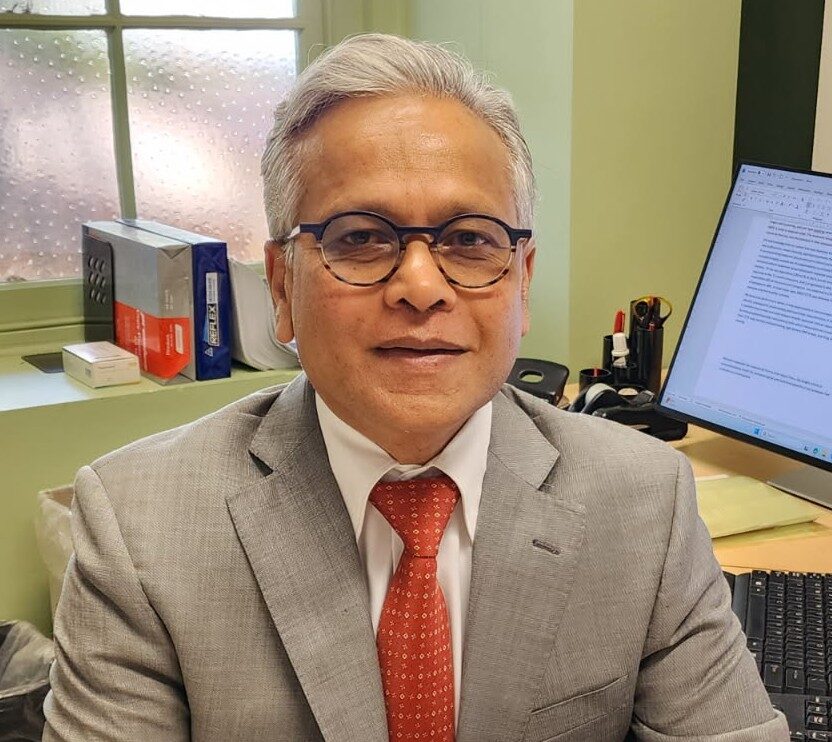
Prof John Pimanda UNSW, NSW $600,000 2026-2029

Background

Acute myeloid leukemia (AML) is an aggressive blood cancer that affects over 1,200 Australians each year with the five-year survival rate of ≤30%.

Older patients can’t receive intensive treatments like high dose chemotherapy or a bone marrow transplant, so they are treated with medicines that help slow the disease and ease symptoms. Even with current best options, survival is often limited and outcomes are especially poor for people with TP53mutant AML, a hard-to-treat subtype. TP53 plays a critical role in preventing cancer, but when mutated, damaged cells can keep dividing and lead to cancer.

About the Project

Prof John Pimanda and the team are aiming to help existing treatments work better for people with acute myeloid leukemia (AML), especially those who do not respond well to current medicines. The researchers have discovered that leukemia cells use a specific “survival switch” that makes treatments less effective.

The project will test new ways to turn off this survival switch, so leukemia cells become sensitive to treatment again. One approach uses tiny genetic messengers delivered inside small fat-based particles, to safely target cancer cells. A second approach explores small blocking molecules that interfere with how this survival switch works, helping guide the development of future medicines. These strategies will be tested in laboratory models that closely match human leukemia, with the goal of improving treatment response for patients with very limited options.

Impact

This research leads to better treatment options for people with AML, particularly older patients and those whose cancer no longer responds to standard care. By helping existing medicines work more effectively, this approach could slow the disease and help patients live longer with a better quality of life.

In the longer term, this work aims to move quickly towards clinical trials, bringing new hope to people with aggressive forms of AML who currently have very limited options. It could also help doctors get more benefit from treatments already in use, potentially improving care for a wider range of cancer patients.

In Partnership with Box Rallies

This researcher was proudly funded through our partnership with Box Rallies (Shitbox Rally, Mystery Box Rally and Lunchbox Rally), an incredible organisation that has been raising funds for cancer research since 2009. To learn more or to take part in one of their unforgettable rallies, visit Box Rallies.

Search research
Cancer research depends on your support
Donate now
Share

Achievements
18 Jun 2020

Addressing the needs of long-term prostate cancer survivors

Find out more
20 May 2020

HPV vaccine linked to decline in premature births

Find out more
Latest news
05 Feb 2026

World-first research centre dedicated to cancer survivorship launches in Sydney 

Find out more
Cancer Council NSW logo
  • About us
  • News & Media
  • Cancer Council Shop
  • Contact us
  • Work with us
  • Privacy and website policies
Aboriginal Daffodil logo

Cancer Council NSW acknowledges the traditional custodians of the land on which we live and work. We pay our respects to the elders past and present and extend that respect to all other Aboriginal and Torres Strait Islander peoples. Aboriginal Respect Symbol designed by Marcus Lee Design for Cancer Council NSW.

Registered Charity (ACNC)

© Cancer Council NSW 2024. Cancer Council NSW is registered with the Australian Taxation Office as an Income Tax Exempt Charity: Charitable Fundraising Authority No. 18521. ABN 51 116 463 846. Cancer Council NSW, 153 Dowling Street, Woolloomooloo NSW 2011. All donations over $2 are tax deductible.