

Addressing Third-hand Smoke in Social Housing
 By
Cancer Council NSW
By
Cancer Council NSW
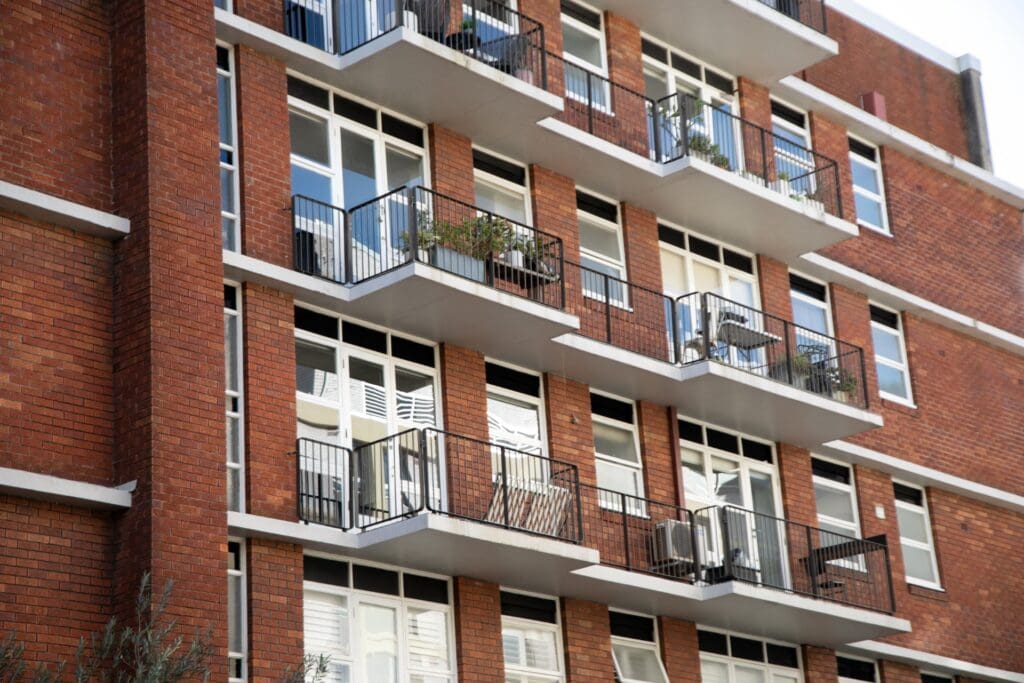
Summary
In April 2024, a resident moved into a social housing apartment in regional NSW and was exposed to third-hand smoke pollutants from previous tenants who smoked tobacco inside the property. Third-hand smoke refers to residual tobacco smoke constituents that remain on surfaces and in dust after tobacco has been smoked. These toxic substances are then re-released into the air over time and are harmful to health. The resident soon noticed negative physical affects they believed were from smoke residue and began investigating what could be done to reduce her exposure. Initial attempts to clean the apartment did not remove the smell or resolve the issue.
The resident provided doctors reports outlining her health concerns and asked the housing provider to address the issue. She also contacted the Cancer Council for information and support and used evidence provided about third-hand smoke exposure and potential health impacts to support her call for action. The housing provider eventually inspected the property and agreed to replace the carpets and paint the walls and ceilings.
In 2024 a resident was offered a social housing apartment in a small, over 55’s block in regional NSW. Upon inspection, the smell of stale cigarette smoke concerned her, however she took the lease, as she felt she had no other choice. After experiencing worsening health symptoms, the resident requested the housing provider do something to remove third-hand smoke residue from the property.
After moving into the apartment, the resident experienced worsening headaches, itchy eyes, a sore throat and developed asthma symptoms. She described waking up with a ‘cigarette taste’ in her mouth, despite being a non-smoker. Deep cleaning the ceiling, walls, carpet and blinds with the help of family, the smell persisted. While researching how to remove the smoke smell from her home the resident read about “third-hand smoke”. The research about third-hand smoke impacts is still evolving but there is increasing evidence and consensus that third-hand smoke exposure is harmful to health.
Once the resident discovered the potential health risks, she advised her housing provider, supported by medical reports from her doctor When nothing was done, she contacted Cancer Council NSW and was provided with a letter of support and evidence about potential health impacts to encourage her housing provider to address her concerns.
Despite initial delays, when presented with additional information the housing provider agreed to investigate. A contractor conducted an inspection and provided recommendations to the housing provider. The report documented the strong smell of tobacco in the apartment and also uncovered mould under the carpet, another known health risk. The housing provider agreed to replace the existing carpet with vinyl flooring and to repaint the cleaned and re-sealed walls and ceiling. Removing residual tobacco smoke from surfaces is challenging, and without clear evidence and guidance on how to do this effectively, it is not known whether all toxins were removed. The resident did however report a significant improvement in her health symptoms after these changes were made.
- Medical documentation
The resident obtained multiple letters from her doctor outlining the decline in her health since moving into the apartment. She provided these documents to the housing provider to support her case, including evidence of increased use of asthma medication. - Cancer Council NSW Information
The resident noted that the evidence provided about third-hand smoke and the letter of support from a trusted Cancer agency were significant in the increasing the housing providers awareness of the issue and willingness to act.
- Due to a limited choice of housing options so the resident felt compelled to accept a property that had been affected by tobacco smoke residue.- A lack of knowledge and awareness about the seriousness and potential risks of third-hand smoke exposure delayed action by the housing provider.
– There were renovation delays as other issues were discovered, such as mould under the carpet.
– The time taken to address the issue and remediate the property prolonged the resident’s exposure to irritants and exacerbated her health issues. - A lack of evidence-based guidelines on how to remove third-hand smoke residue makes it challenging for housing providers to manage these cases, especially as research on health impacts is still evolving.
– Variable policy in the social housing system that allows tobacco smoking inside premises can expose residents to both second and third-hand smoke.
A large contributor to change was the resident’s motivation to live in a smoke-free environment. She shares her experience in this case study to increase awareness of third-hand smoke, so others in similar situations feel empowered to act too.
This case highlights the difficulty and cost of eliminating third-hand smoke pollutants from a residence once established. Instead, adopting a smoke-free social housing policy that excludes tobacco smoking inside the premises would reduce exposure to both second and third-hand smoke pollutants and contribute to greater health equity. There is also a need for evidence-based guidelines for housing providers on how to effectively remediate properties affected by third-hand smoke before new tenants move in.
For more information on Smoke-Free Housing, please visit our website.
Smoke-free Housing
Second-hand smoke: FAQs
For more information on third-hand smoke, please visit the Tobacco Facts and Issues website.
4.3 Thirdhand smoke – Tobacco in Australia
For further information, contact the Tobacco Control Unit.