

Laura’s story: Finding strength, gratitude and purpose after cancer

When Laura was first diagnosed with cervical cancer, it was the last thing she expected.
“I didn’t know anything about cancer,” she says. “I’d never had any experience with it in my family or among friends. You just don’t think it’s something that will happen to you.”
Like many women, Laura’s symptoms were passed over as they were similar to what women could experience during menopause. Without obvious warning signs, her diagnosis came as a shock.
“I had a pain in my left kidney, and thought it was a stone. My doctor prescribed an MRI which revealed that my kidney was suffering because my cancer was obstructing the ureter,” explained Laura.
By the time it was confirmed, her cancer was already at stage three.
Laura’s diagnosis was made especially difficult during the COVID-19 pandemic. Restrictions meant she had to go through much of her treatment alone.
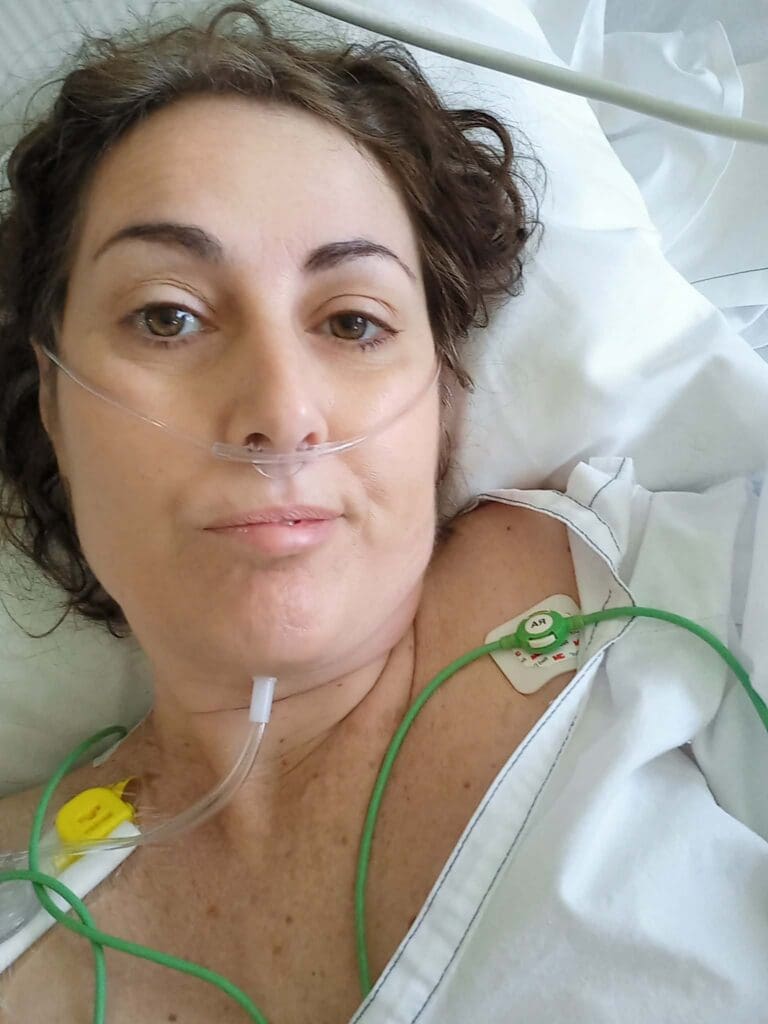
“It was horrible going to hospital appointments by myself,” she says. “You’re already dealing with so much, and then you have to face it without that physical support.”
Despite this, Laura remembers the compassion of the healthcare professionals who cared for her who she describes as “beautiful people”.
Treatment, identity and unexpected challenges
Laura underwent extensive treatment, including radiotherapy, chemotherapy and brachytherapy (targeted radiation). Physically, she coped better than expected.
“I never really felt sick,” she says. “Even my doctor said, ‘You look amazing.’”
But one moment changed everything; the day she lost her hair.
“I woke up and it was all on the pillow,” she says. “That was the moment it really hit me. Up until then, I didn’t feel or look sick. Losing my hair made it real.”
The importance of empathy
Throughout her experience, Laura became aware of how difficult it can be for others to know what to say to someone with cancer.
“We just don’t know how to approach people going through something like this,” she says. “Sometimes people say the wrong things, or they disappear because they’re scared.”
Her advice is simple:
“Just be there. You don’t have to say anything perfect. Just don’t disappear.
We need to learn how to stay close to our loved ones when they are walking through fire. What to do. How to show up. How to sit beside someone when there is nothing to fix.
And maybe even more importantly, what NOT to say. Because words – careless, awkward, well-intentioned words – can land like stones. They can bruise without meaning to. They can break you on a day when you are already held together by tape, medication, and sheer will. Sometimes silence is kinder. Sometimes presence is enough,” says Laura.
A new perspective on life
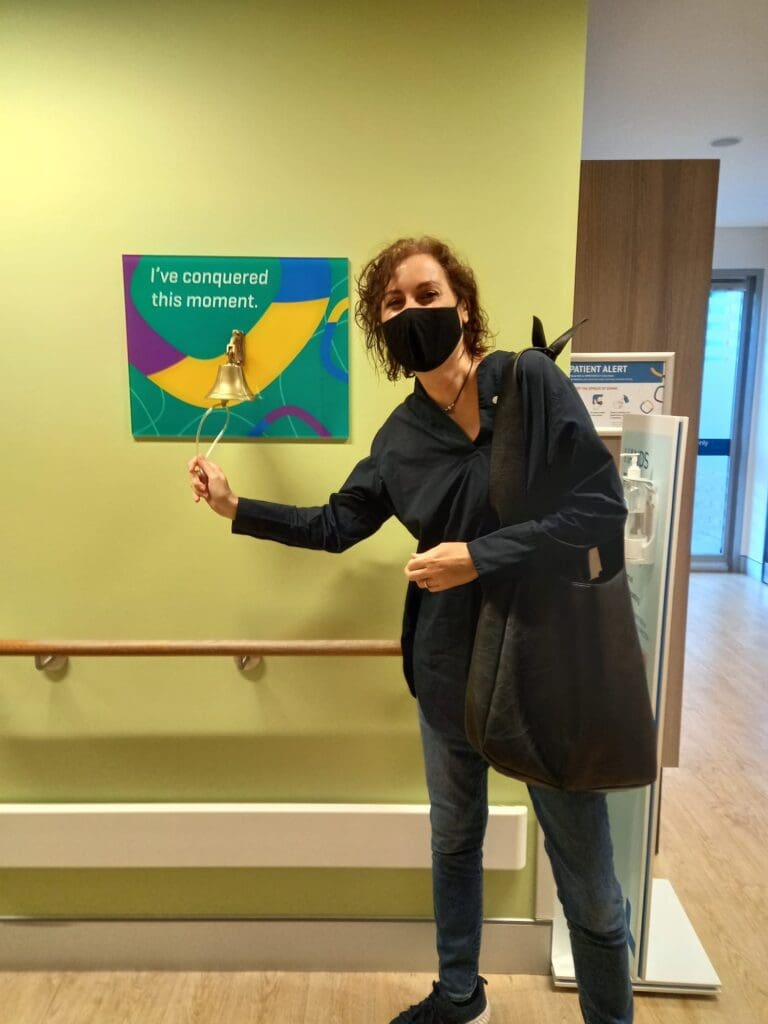
Now cancer-free, Laura reflects on how the experience has changed her outlook.
“I didn’t ask ‘Why me?’ I thought, ‘Why not me?’ It can happen to anyone,” she says.
Although she lost a kidney as a result of treatment, she considers herself fortunate.
“I’m very lucky. Not everyone makes it, and not everyone comes through it the same way.”
Her experience has reshaped her priorities.
“You stop worrying about the little things,” she says. “I try to focus on what really matters and be grateful.”
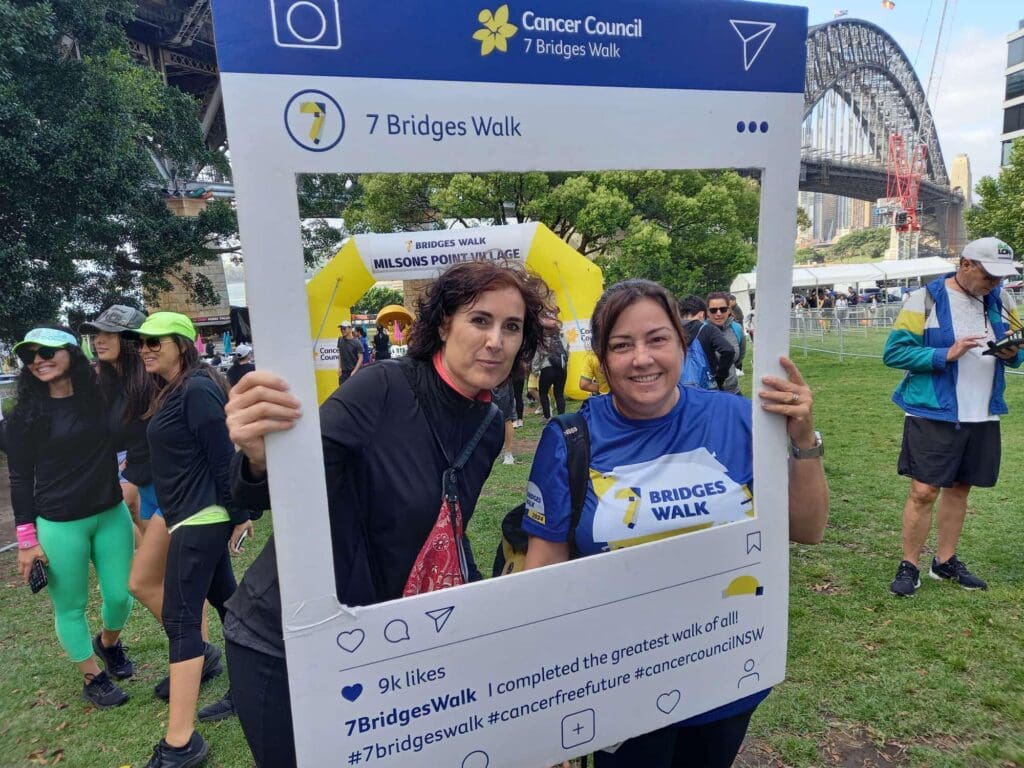
She’s since taken part in fundraising initiatives like The March Charge and the Seven Bridges Walk, raising money for cancer research and support services.
Her impact has also extended to her family. One of her daughters donated her hair after seeing how much hair loss affected Laura, and is now studying medical science with a focus on cancer research.
“It’s amazing how something so difficult can lead to something positive,” Laura says.
Sharing her story to help others
During her treatment, Laura sought comfort in hearing from others who had been through similar experiences. Now, she hopes her story can do the same for someone else.
“I remember looking online and seeing real stories from people who had come through it,” she says. “It encouraged me. I found it very important at the time.”
She even wrote a 40-page account of her experience to capture how she felt.
“I didn’t want to forget how I felt. And it’s not a sad story, it’s a happy one,” she reflects.
For more information, visit our cervical cancer page.
If you or someone you know is living with cancer, call us on 13 11 20.