

Award-winning training tackles the fear of cancer recurrence

To better support Australians living with fear of cancer recurrence, researchers from Daffodil Centre, a partnership between Cancer Council NSW and the University of Sydney, in collaboration with the McGrath Foundation and Peter MacCallum Cancer Centre, have developed a new online training module for healthcare professionals to help cancer survivors manage anxieties around fear of recurrence.
Available nationally through eviQ Education, the training provides practical, evidence-based strategies to help clinicians recognise, assess and respond to fear of cancer recurrence in routine cancer care. It builds on Australia’s first evidence-based clinical pathway for identifying and managing fear of recurrence and includes practical guidance, videos and culturally diverse case studies.
Dr Vanessa Johnston, Clinical Director of Cancer Information and Support Services at Cancer says supporting people to live well beyond a cancer diagnosis is an important part of Cancer Council NSW’s work to reduce the impact of cancer for all Australians, “with more people surviving cancer than ever before, it is important that people impacted by cancer have access to evidence-based information, practical support and high-quality care both during and after cancer treatment.
“Initiatives like this help strengthen survivorship care by giving health professionals the tools and confidence to better support patients experiencing fear of recurrence.”
When cancer is gone, but the fear remains
For many people impacted by cancer, treatment ending can also mark the beginning of a different challenge: living with the fear that cancer might come back.
Known as fear of cancer recurrence, this concern is one of the most common and significant issues experienced by people after a cancer diagnosis. Fear of cancer recurrence can show up in different ways. Some people may feel anxious before routine scans, blood tests or follow-up appointments. Others may become hyper aware when experiencing symptoms like when first diagnosed, or triggered by the sight or smells associated with hospitals.
Ovarian cancer survivor Victoria says fear of recurrence remained with her long after treatment ended.
“Fear of recurrence can stay with you long after treatment ends, but it’s often difficult to know what’s normal, who to talk to, or where to get help,” Victoria says.
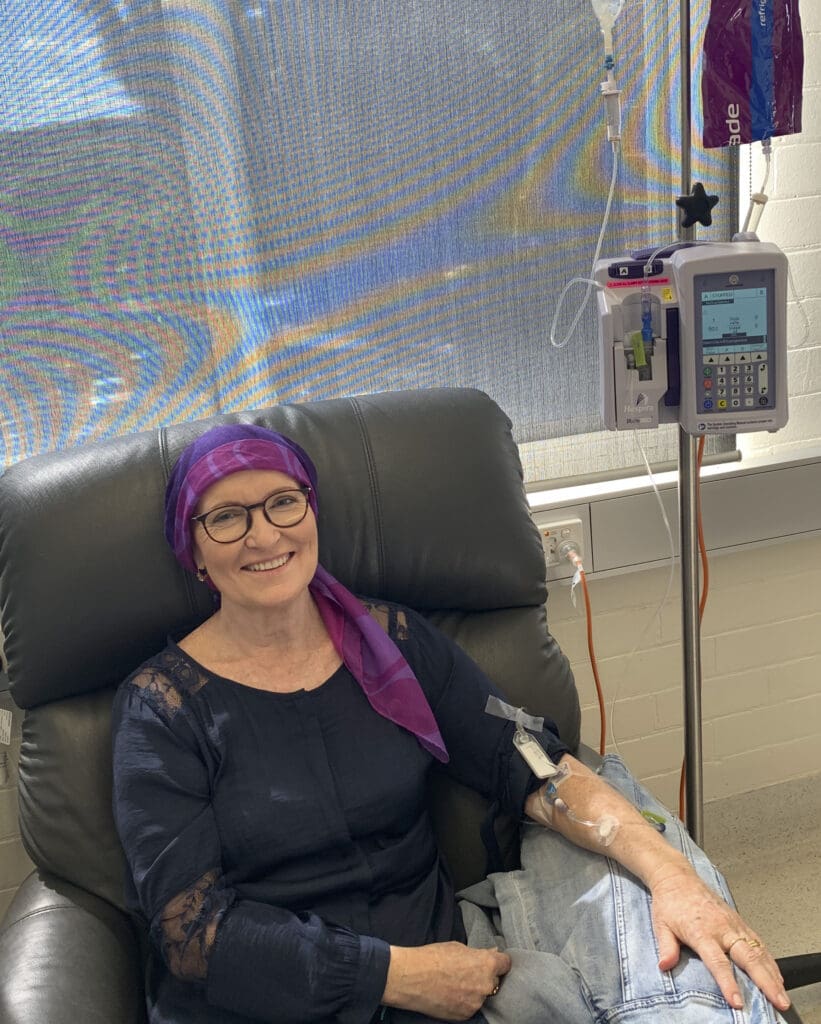
For Victoria, having a framework for these conversations will positively impact cancer survivors.
“Training health professionals to have these conversations and connect people with support could make a real difference,” she said.
“I am so pleased to see this practical and interactive training being provided to help health professionals initiate a difficult conversation. Fear of cancer recurrence is my number one unmet need. This resource will help address this concern and provide better psychological care to people living with cancer.”
Associate Professor Ben Smith, Senior Implementation Scientist at the Daffodil Centre, who led the collaborative team that developed the training says: “By making this resource available nationally through eviQ, we’re helping build the capability of the cancer workforce and improving access to support for people affected by cancer, no matter where they live.”
As more Australians survive cancer than ever before, ensuring people have access to high-quality support both during and after treatment is becoming increasingly important. Initiatives like this training aim to ensure that fear of cancer recurrence is recognised, discussed and addressed, so no one has to face those fears alone.
For information and support, Cancer Council’s experienced cancer professionals can be contacted on 13 11 20.
The training is available free of charge through eviQ Education.