

Cancer Research Division provides opportunities for post-graduate research supervised by senior staff with affiliations to Australian universities.
PhD Opportunities
Scholarship opportunities are advertised on SEEK. Potential students should submit enquiries to [email protected].
Current Postgraduate Students

David Goldsbury
PhD Candidate – School of Public Health, University of Sydney.
PhD Title: The costs of cancer in New South Wales, Australia.
Description of PhD project
There are many costs associated with cancer, but there is relatively little published information about these costs in Australia. This research aims to assess various health system costs, productivity costs and patient out-of-pocket costs, using the 45 and Up Study and a number of linked health data collections, to help guide economic analyses of cancer care in New South Wales and Australia.
Qualifications
Bachelor of Science (Hons)
Master of Public Health.
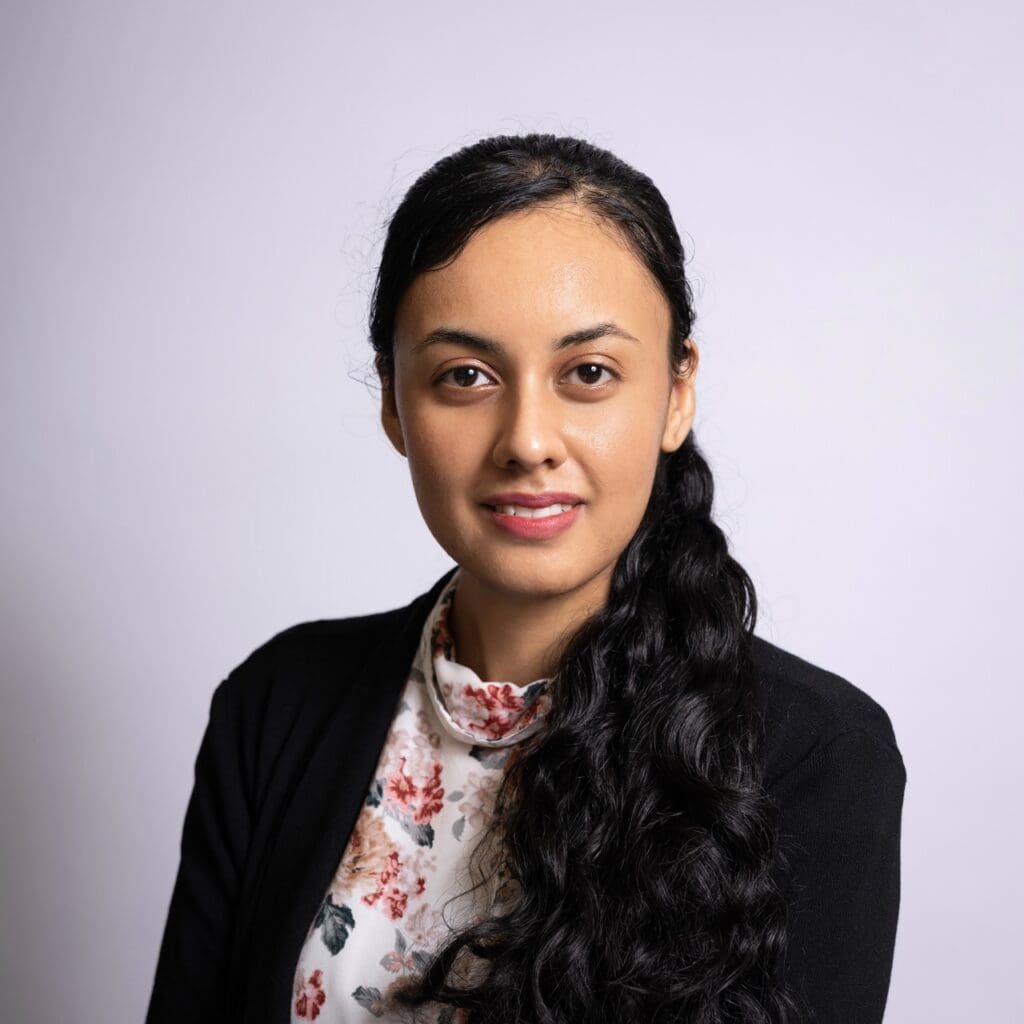
Rani Chand
PhD Candidate – School of Public Health, University of Sydney.
PhD Title: Vasectomy and Prostate Cancer Risk.
Rani Chand (MPH) is a PhD Candidate experienced in conducting both quantitative and qualitative research methods.
Description of PhD project
For her PhD, Rani is investigating the role of vasectomy and other emerging factors in predicting the risk of prostate cancer diagnosis.
Sohel Rana
PhD Candidate – Faculty of Medicine and Health, University of Sydney.
Sohel is a Statistician and an Epidemiologist. He completed his bachelor and masters in Statistics from Jahangirnagar University, Bangladesh and masters in Epidemiology from Ludwig Maximilian University, Munich, Germany. He is also a faculty of the department of Statistics, Comilla University, Bangladesh. He is the recipient of a Daffodil Centre Postgraduate Research International Scholarship 2023.
Description of PhD project
Sohel’s PhD research is focused on the influence of lifestyle factors on breast cancer incidence among Australian women born in different generations. His aim is to contribute towards breast cancer prevention by determining changes in patterns of lifestyle factors across generations. Additionally, he will investigate comorbidities and non-adherence to screening, to quantify the influence of lifestyle factors on the incidence of breast cancer.